
Kitchen Remodeling
- Home
- Our Services
- Kitchen Remodeling
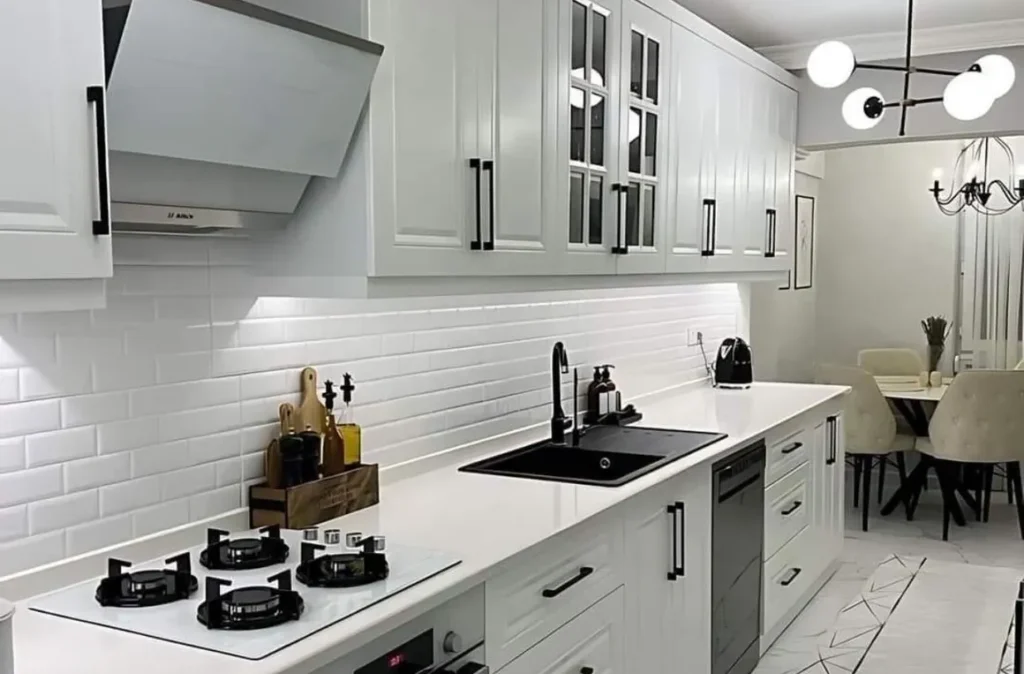
Transform Your Kitchen Today – Start Your Dream Remodel
Upgrade your space with expert design and flawless craftsmanship. Get your free consultation now. From concept to completion, we handle everything. Book your free design session today.
Your Dream Kitchen Starts Here
Custom remodeling solutions tailored to your lifestyle. Limited slots available – schedule now.
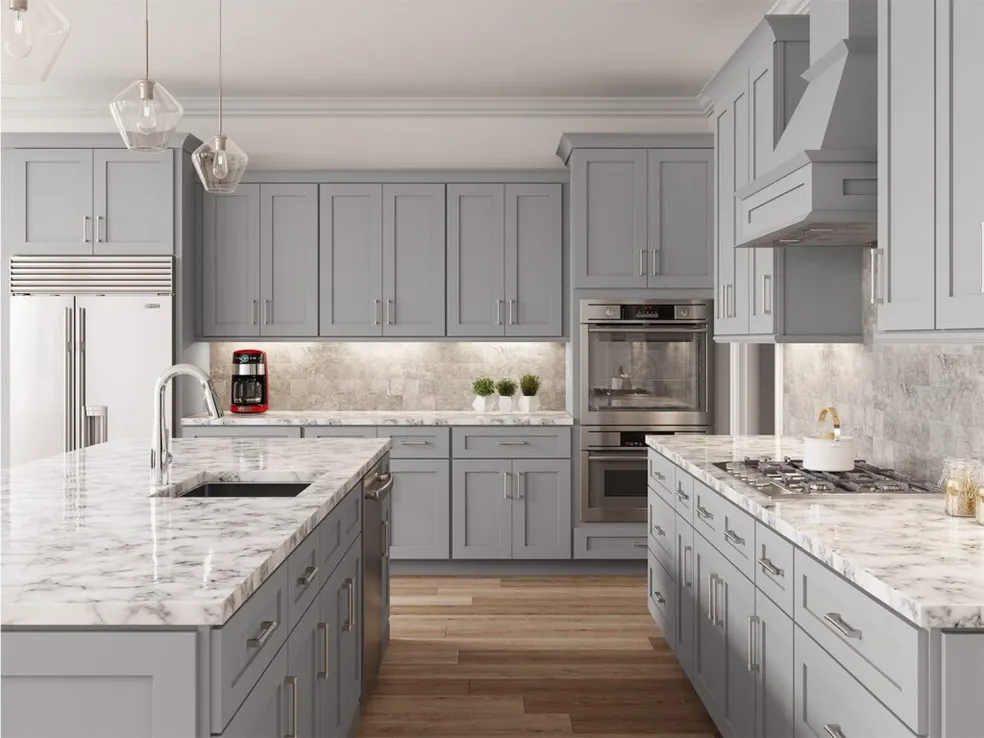
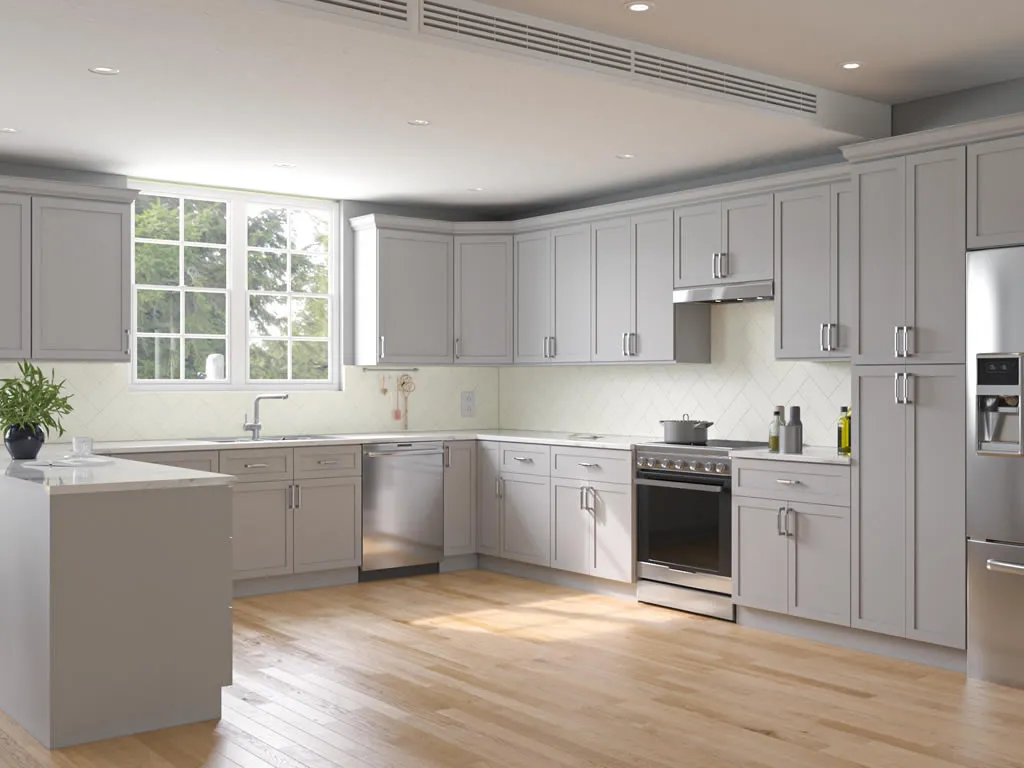
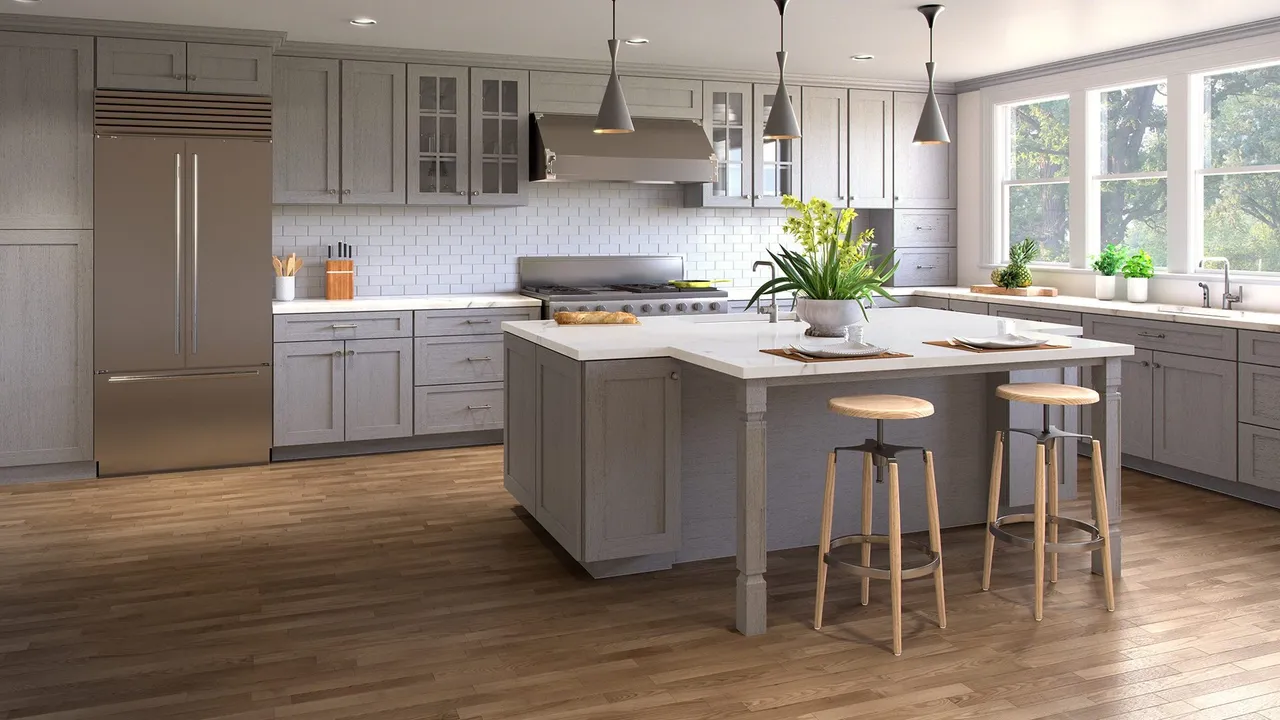
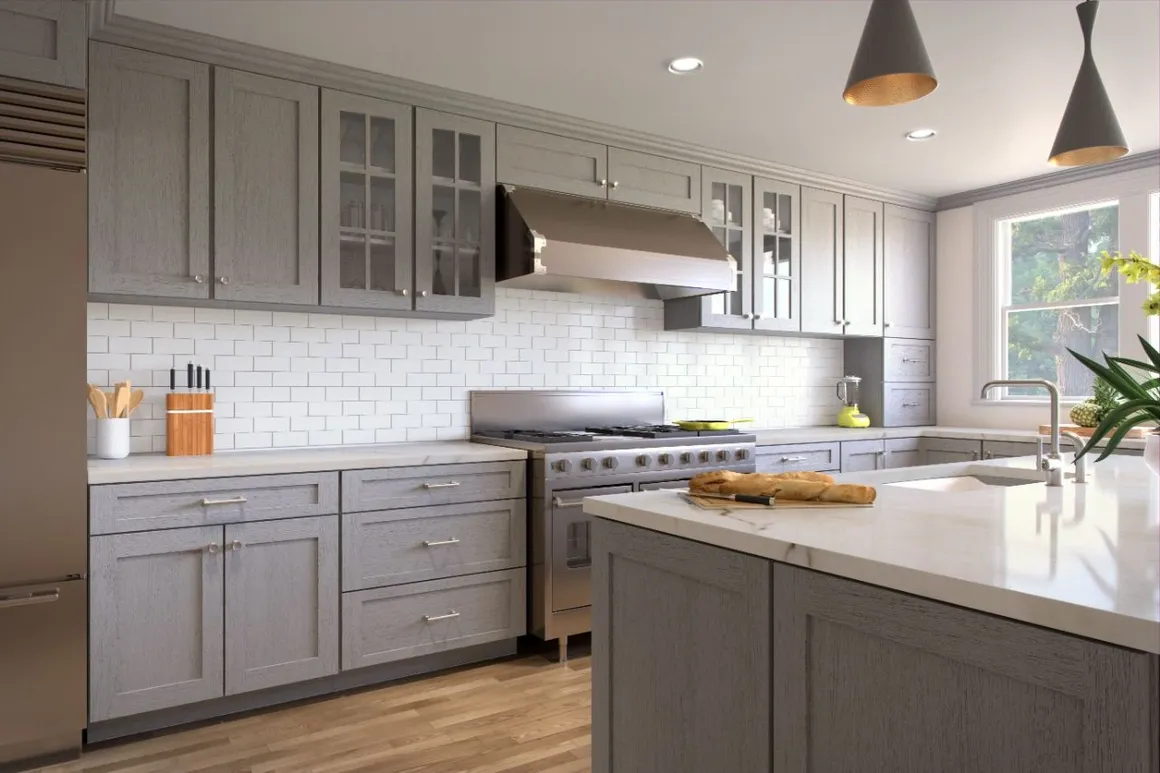
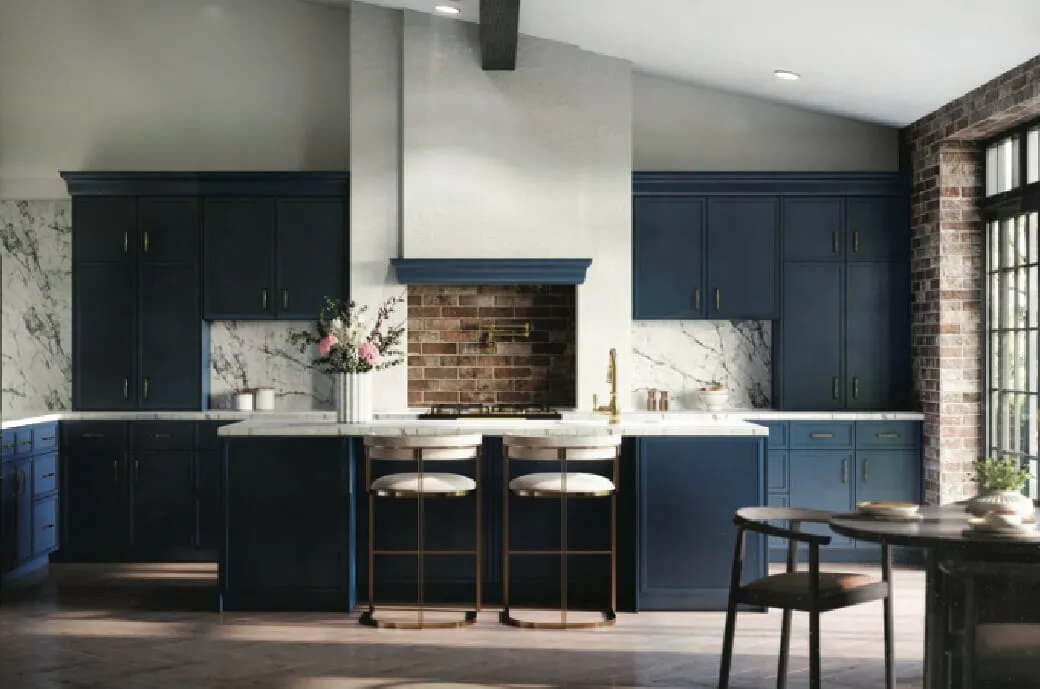
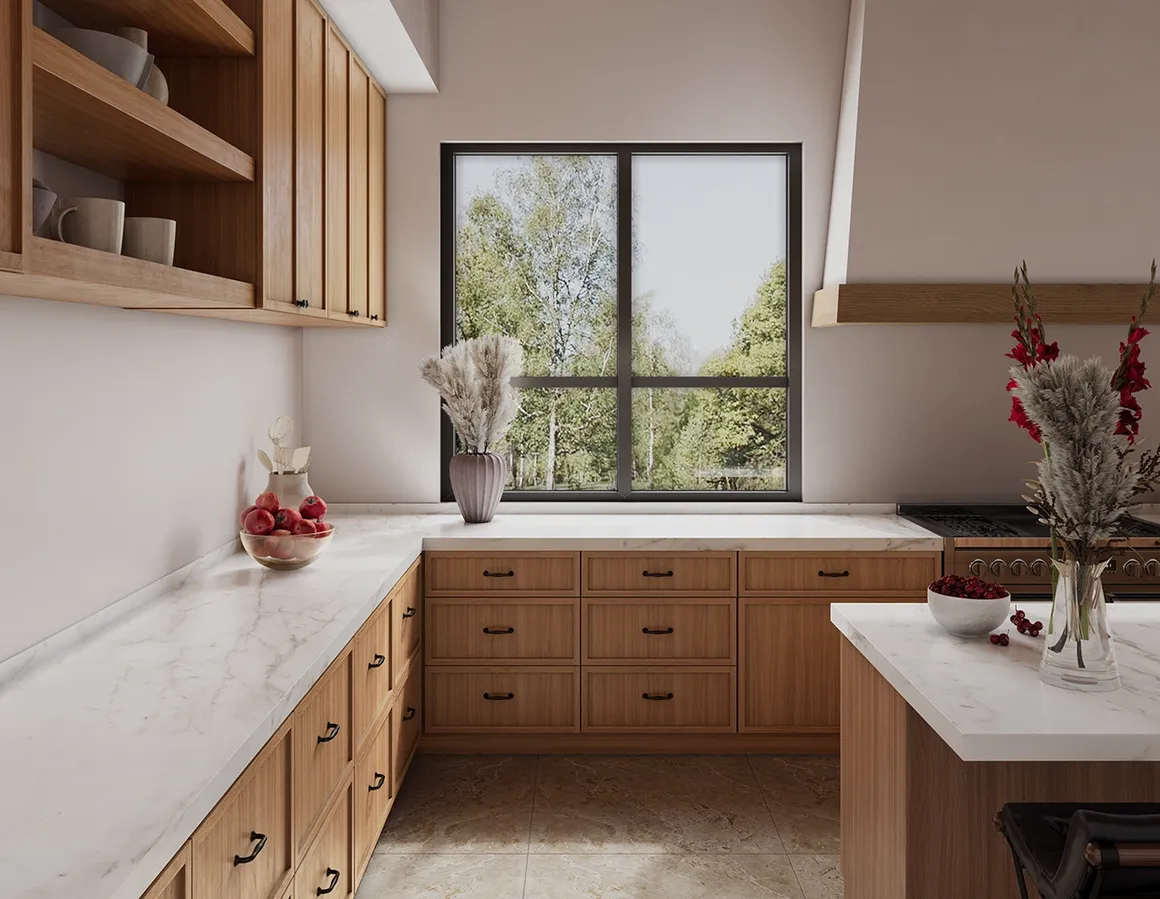
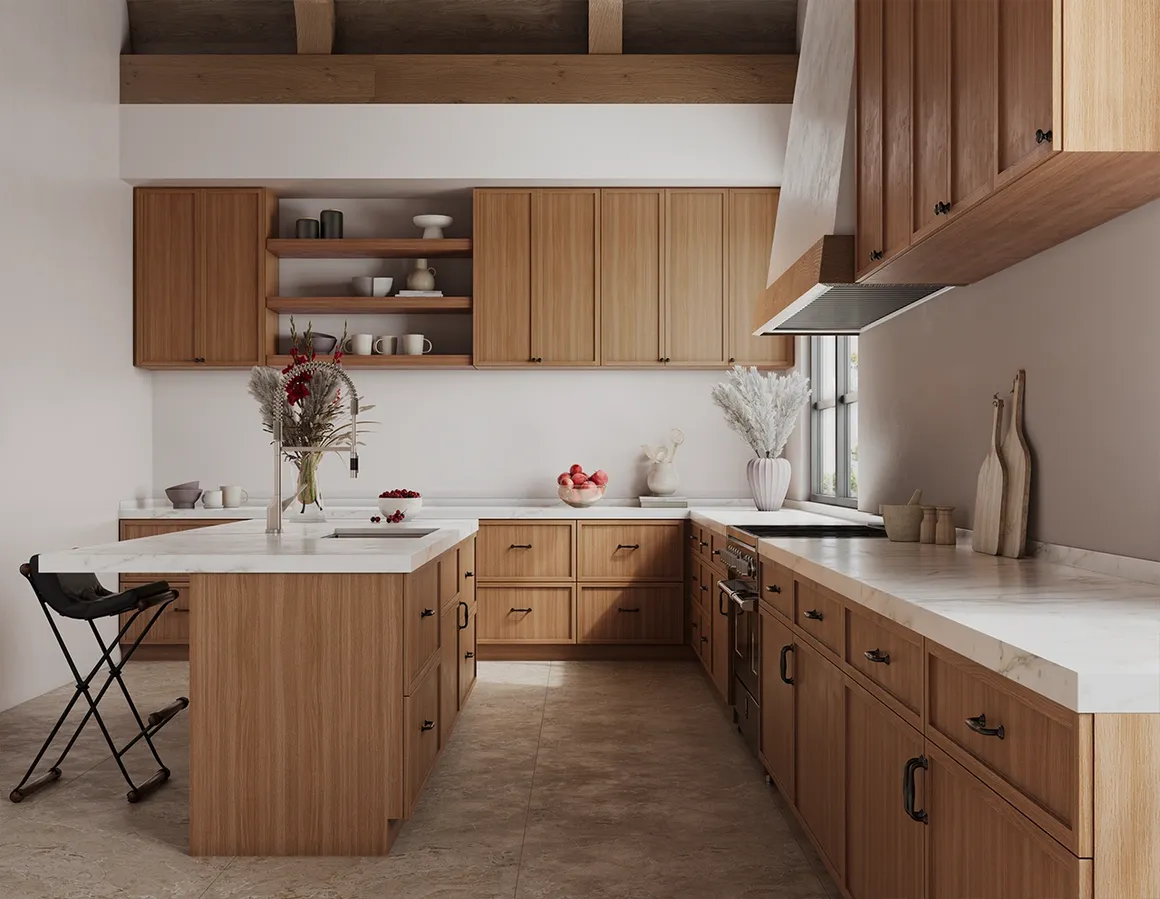
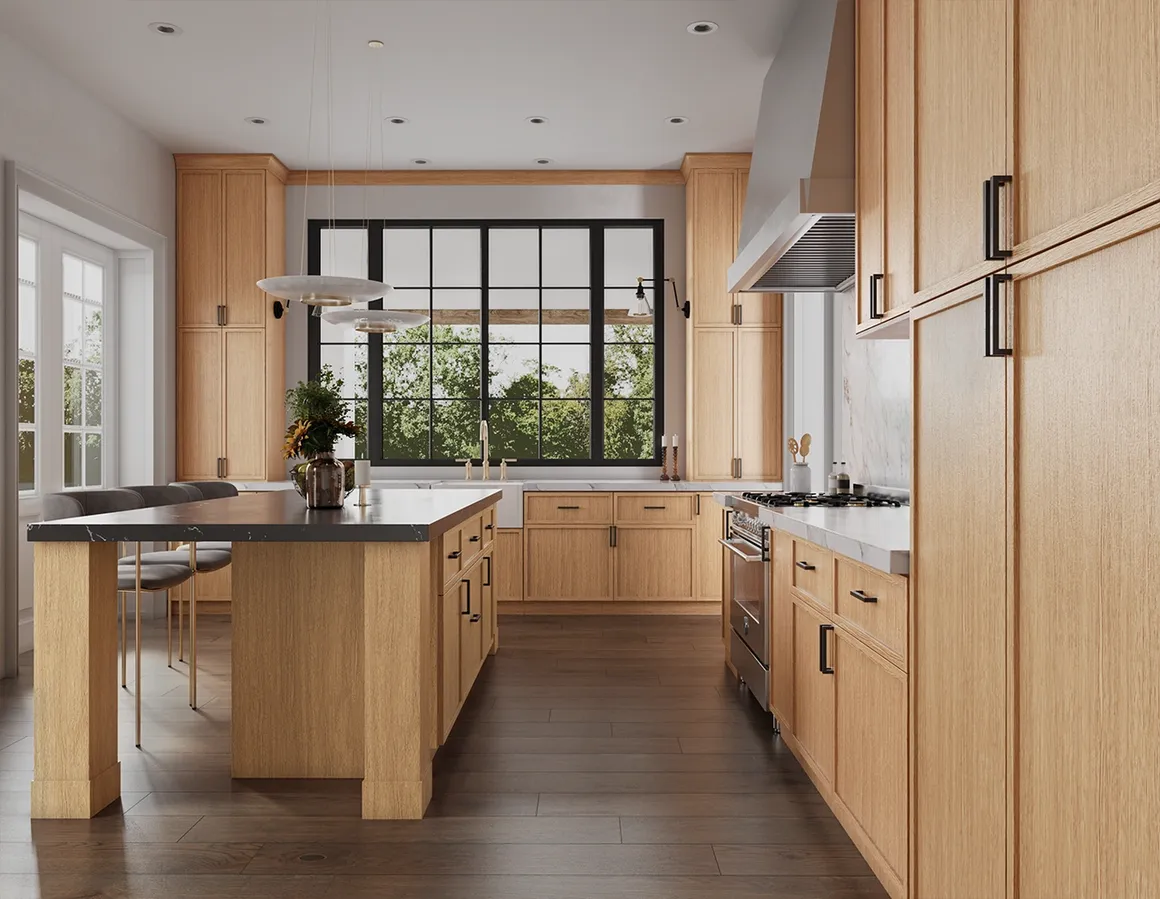
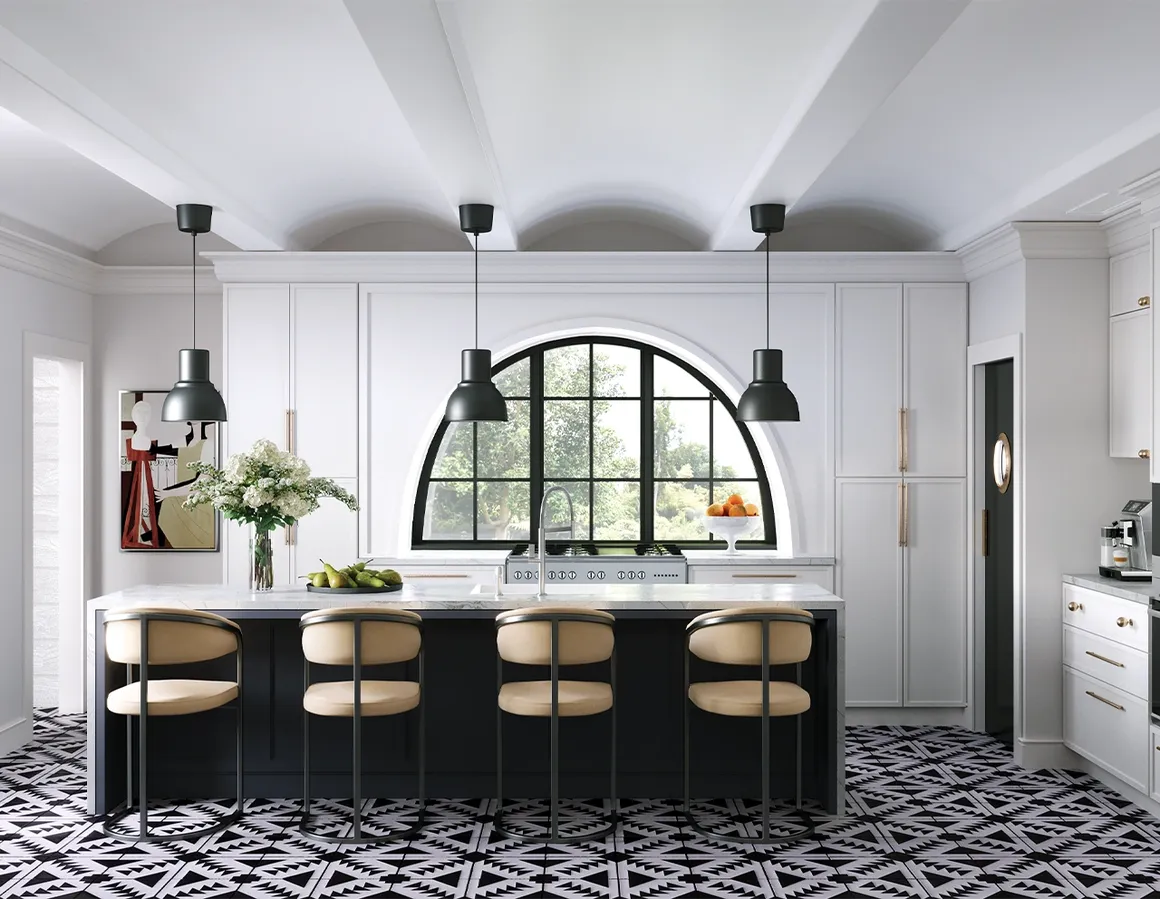
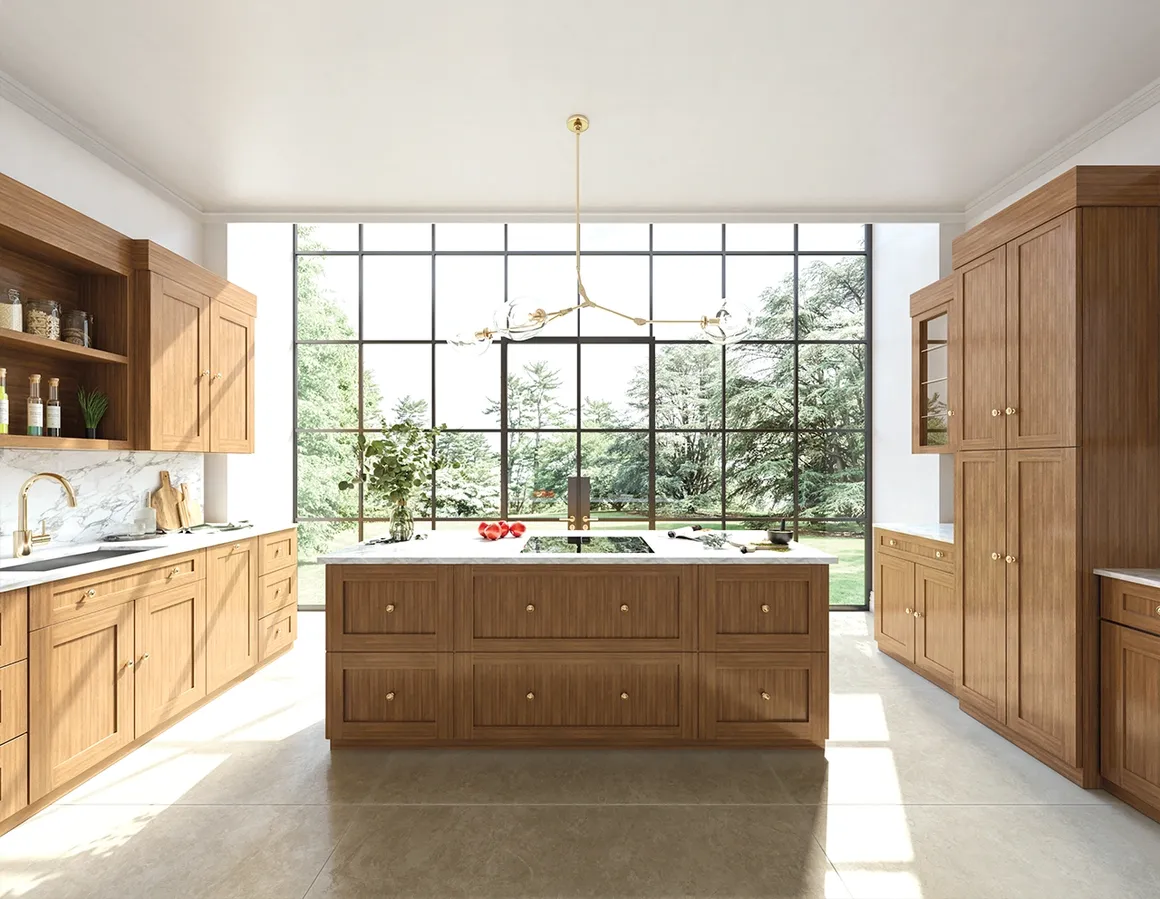
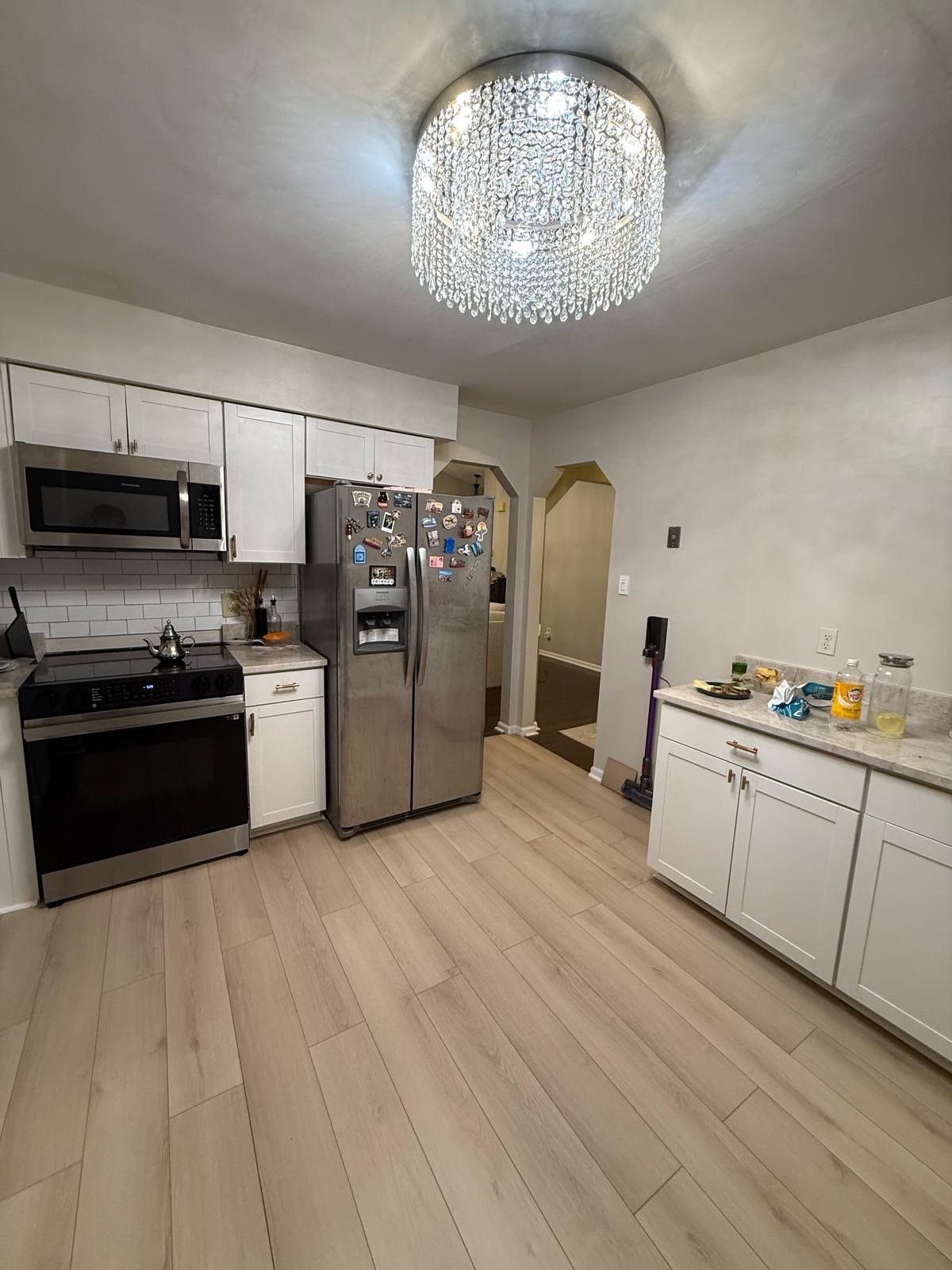
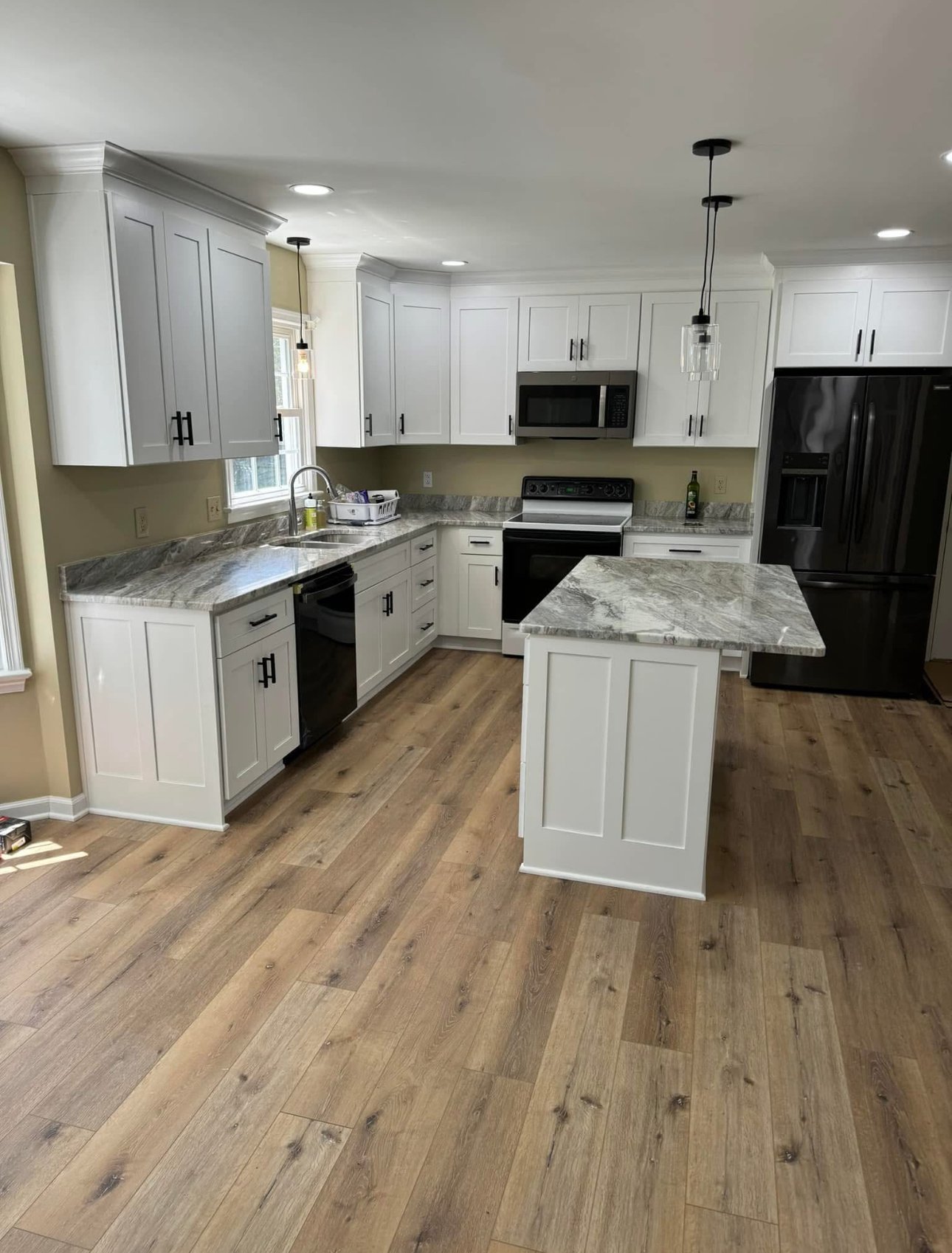
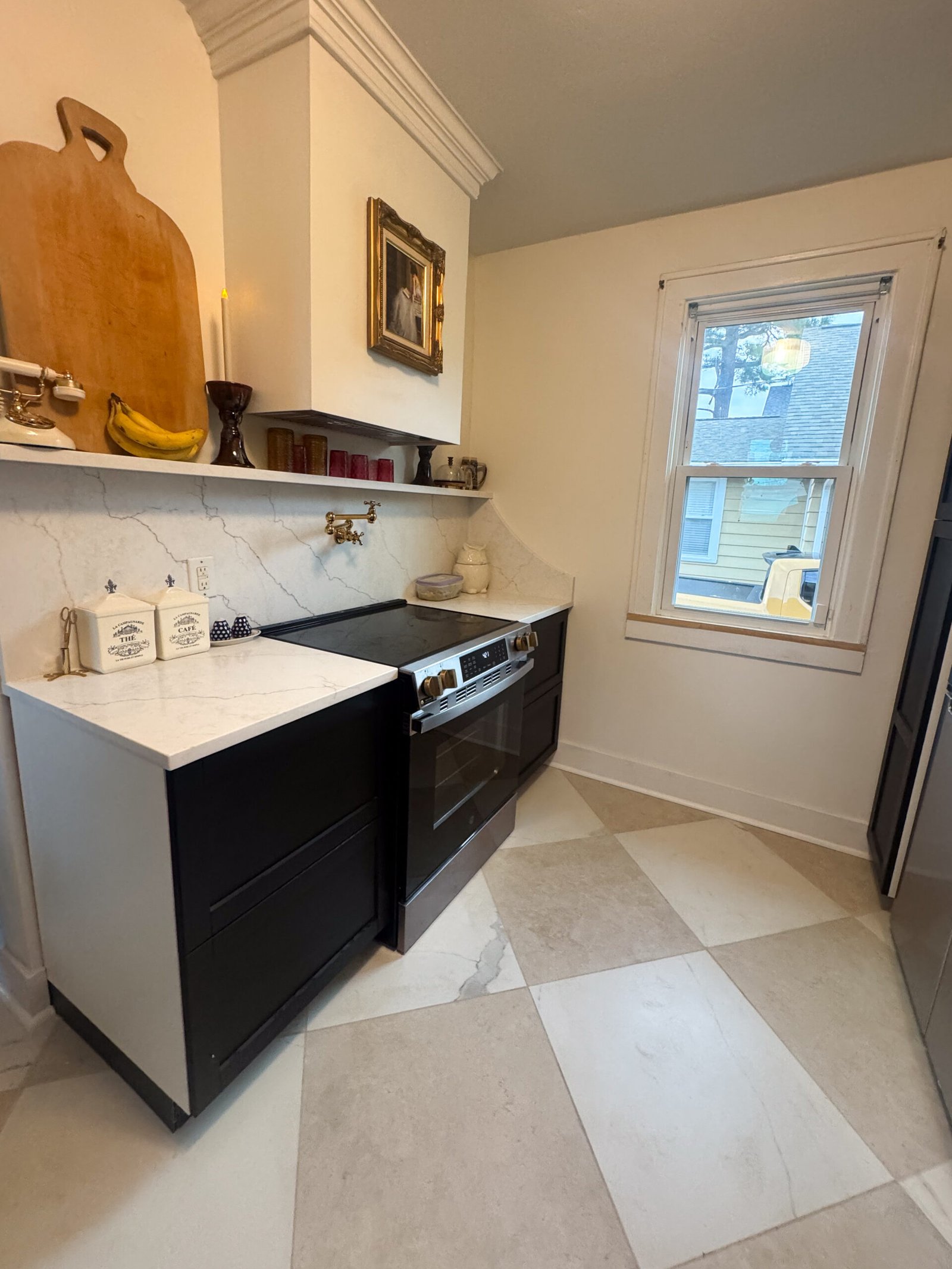
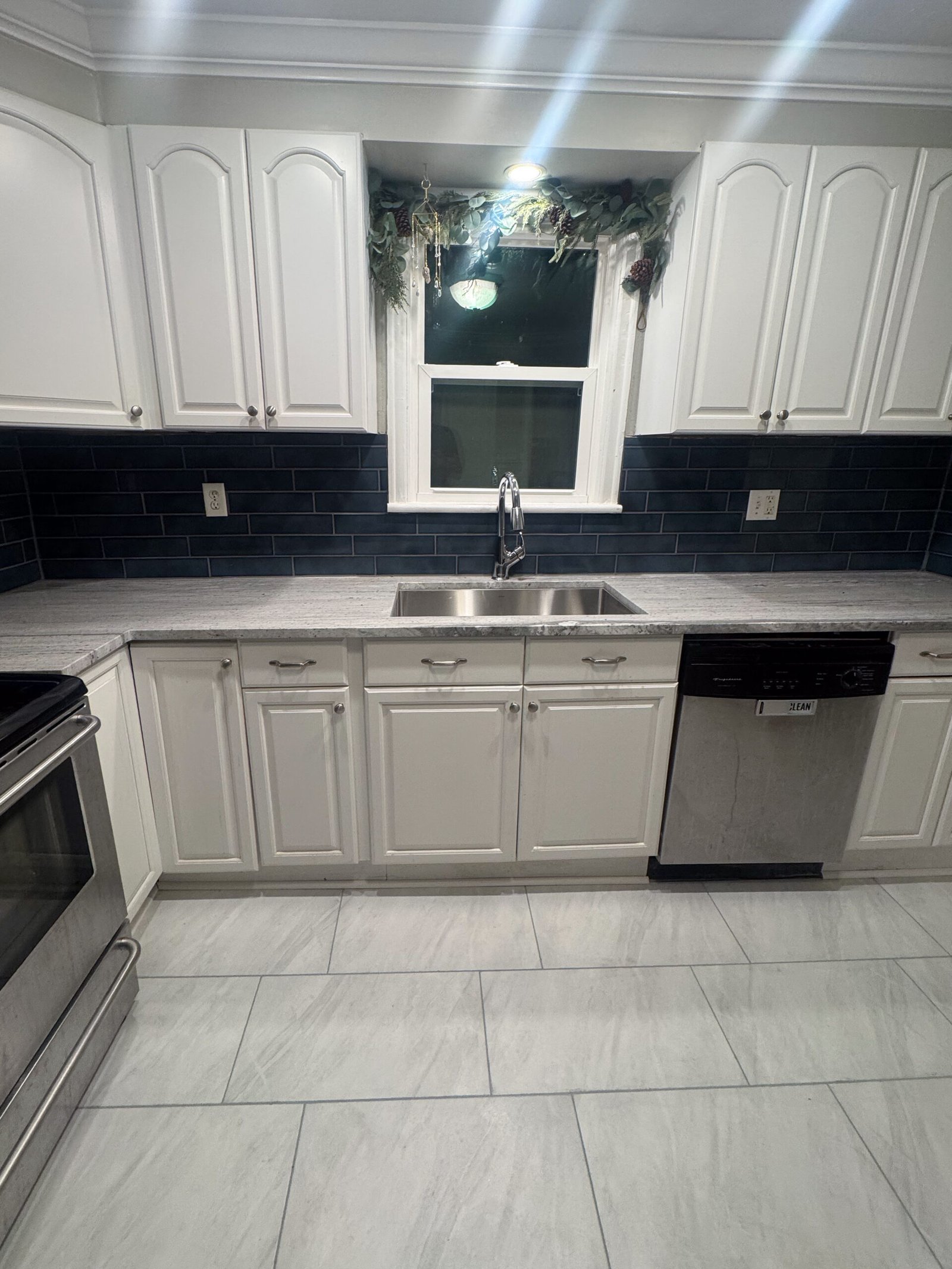
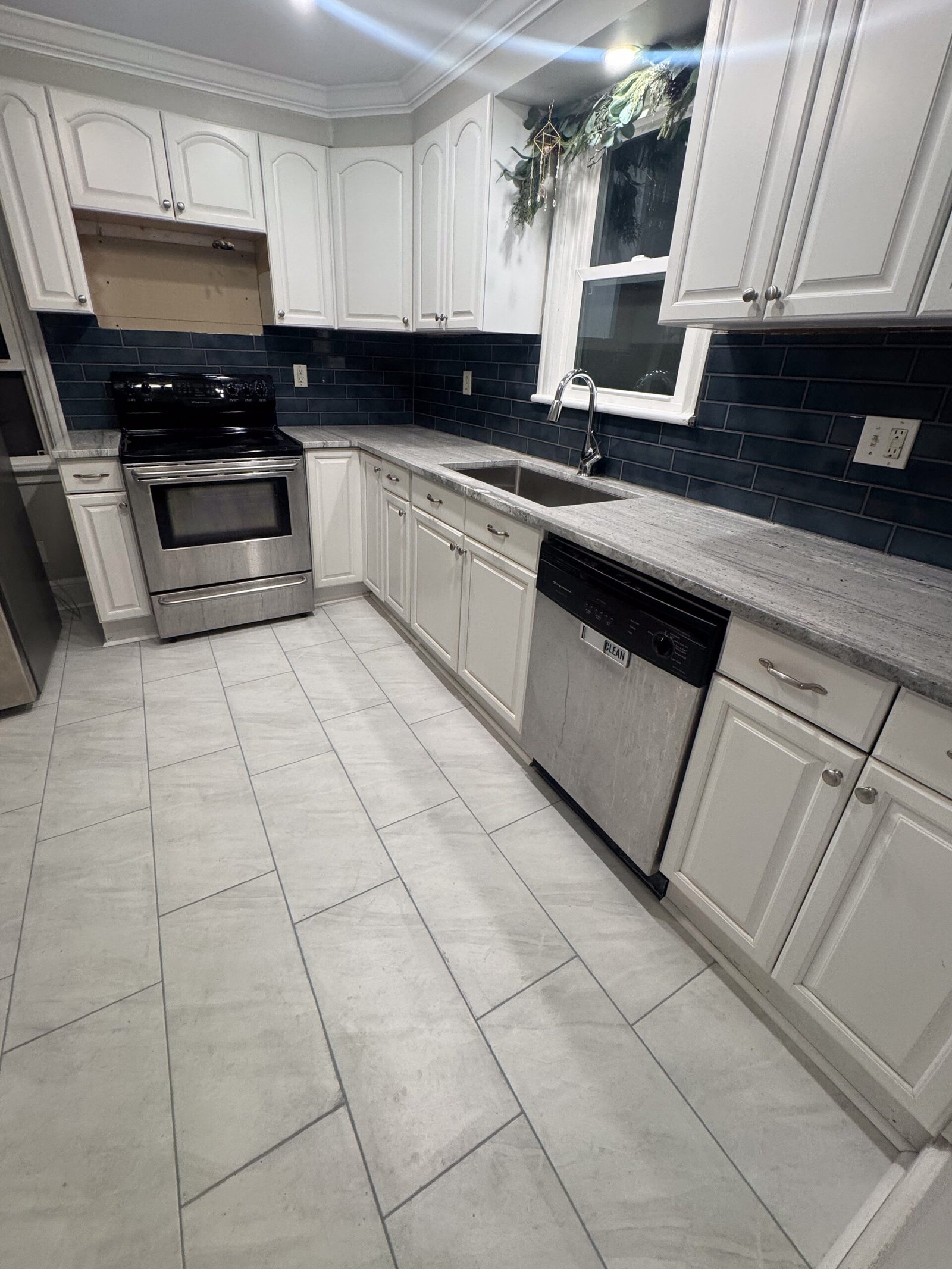
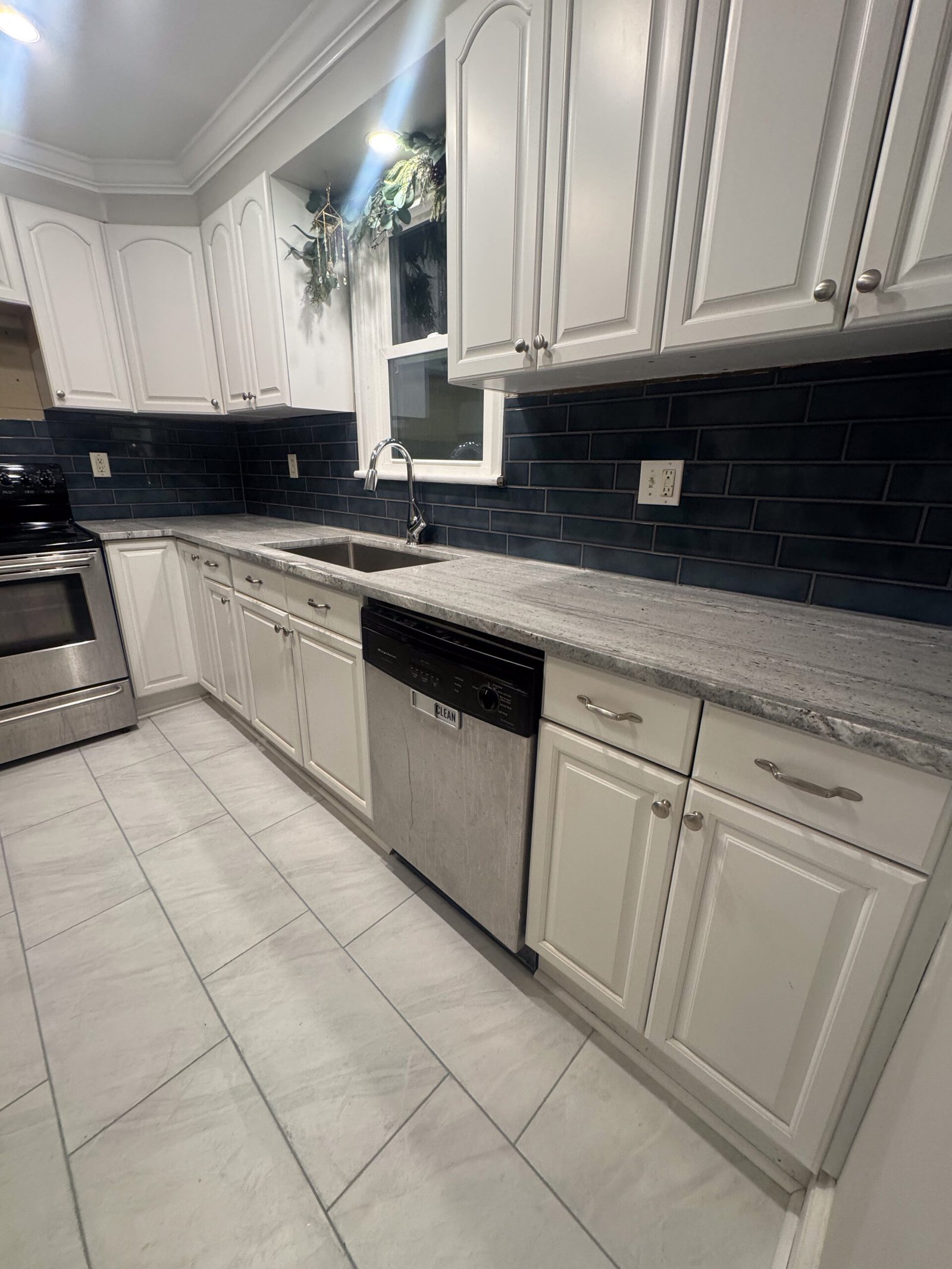
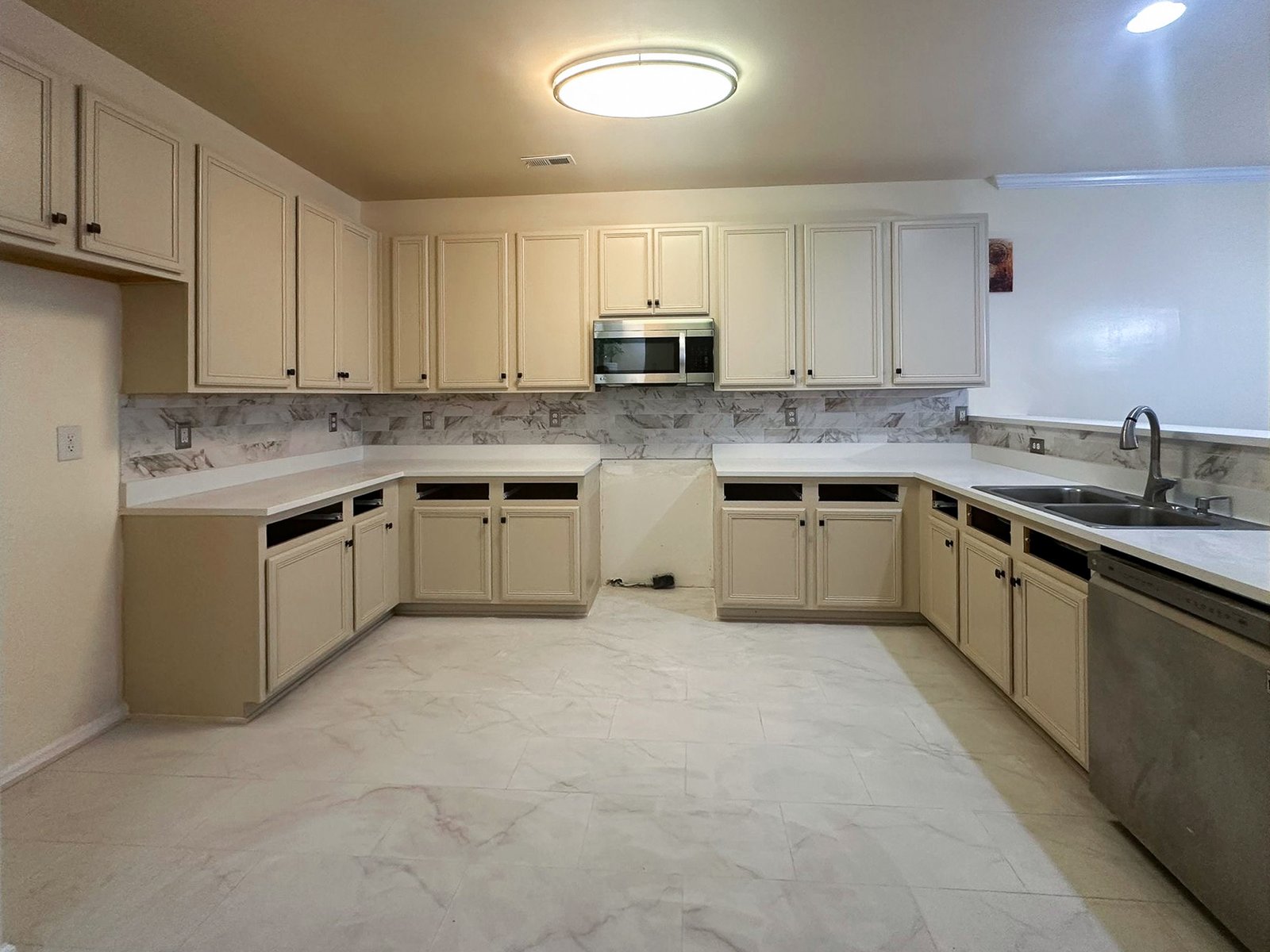
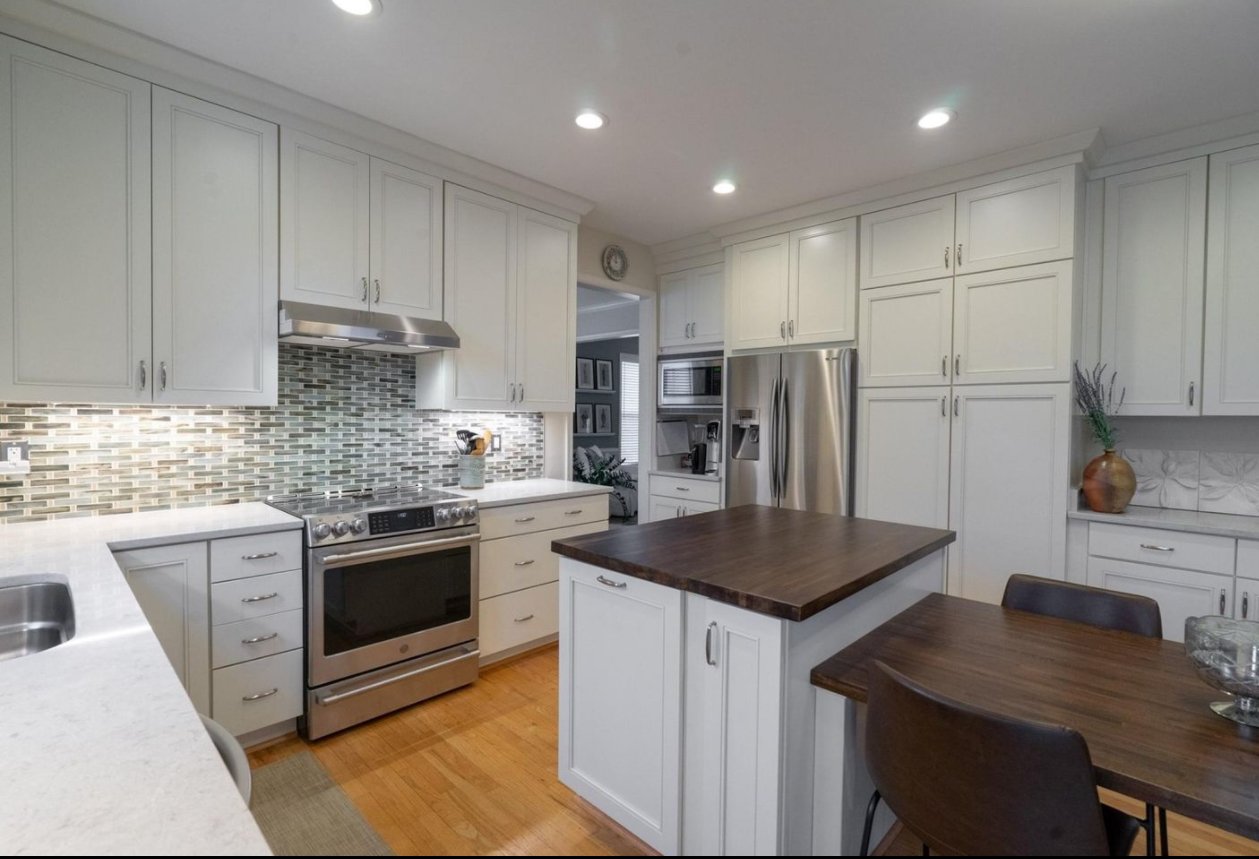
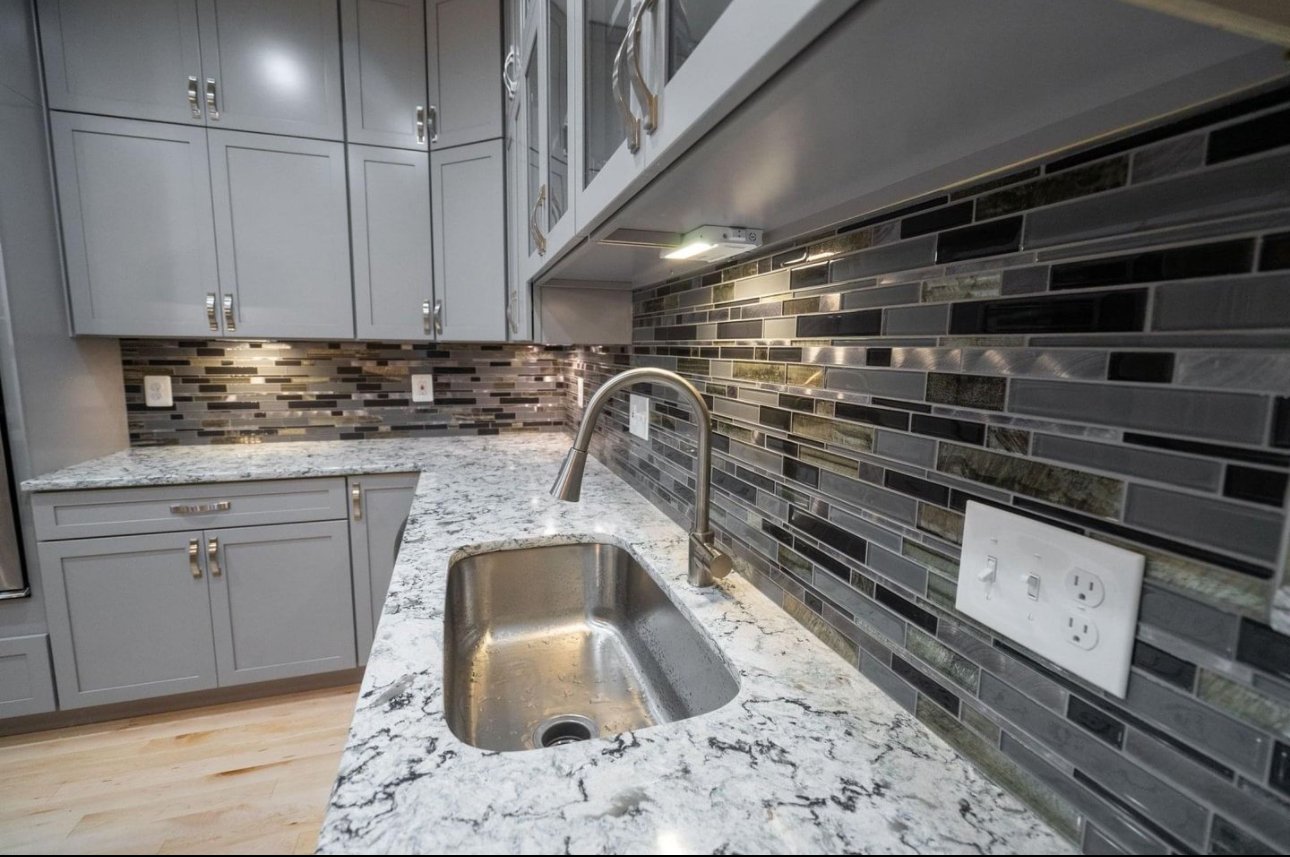
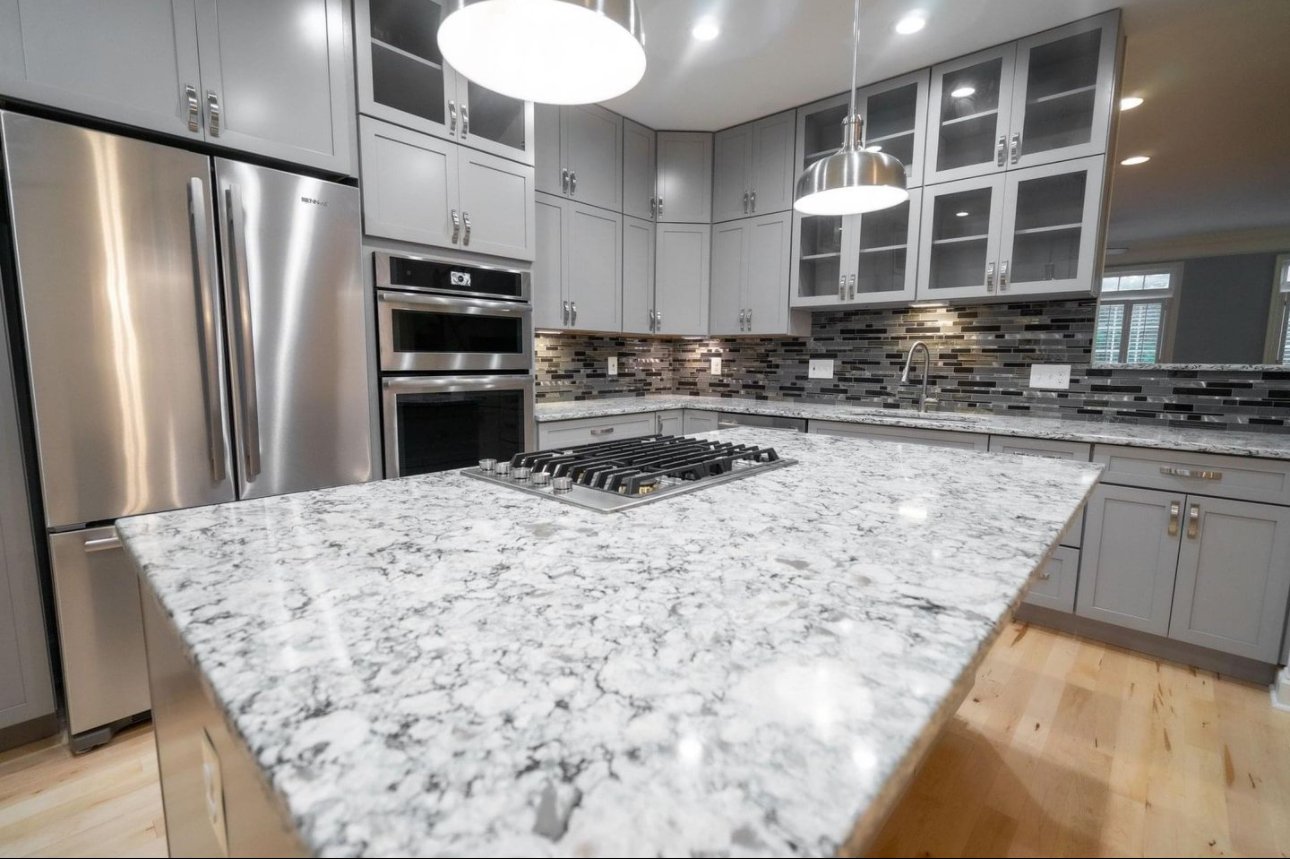
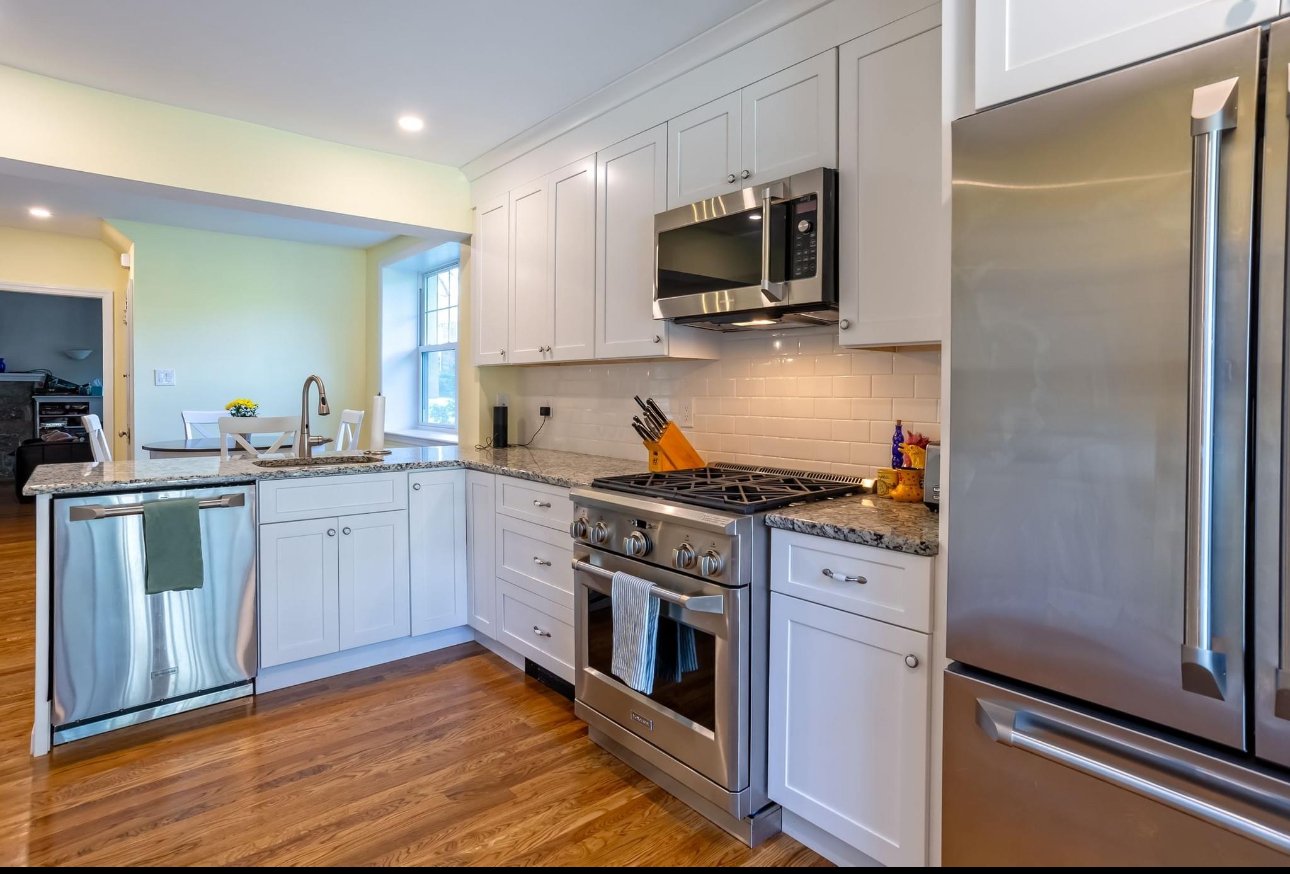
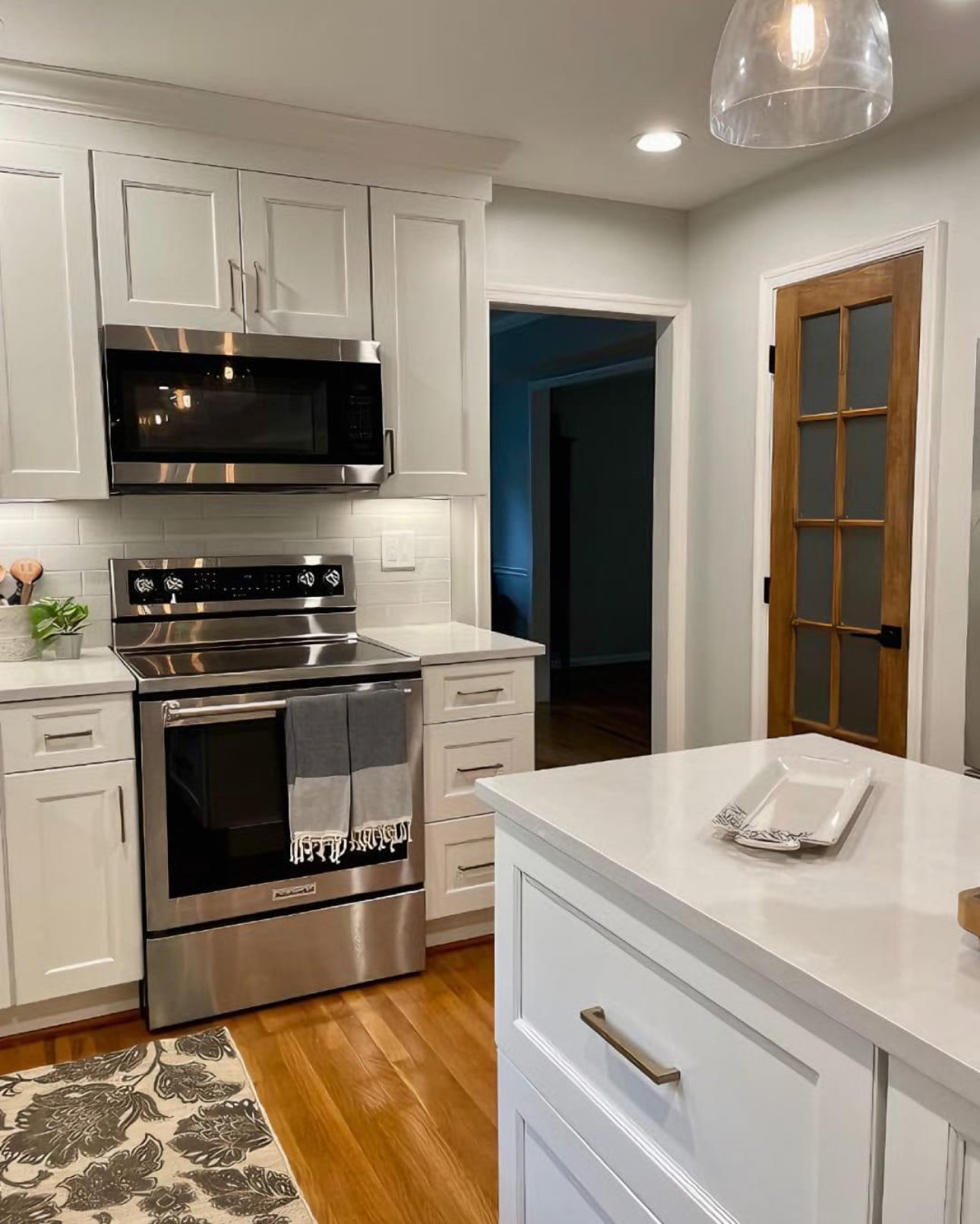
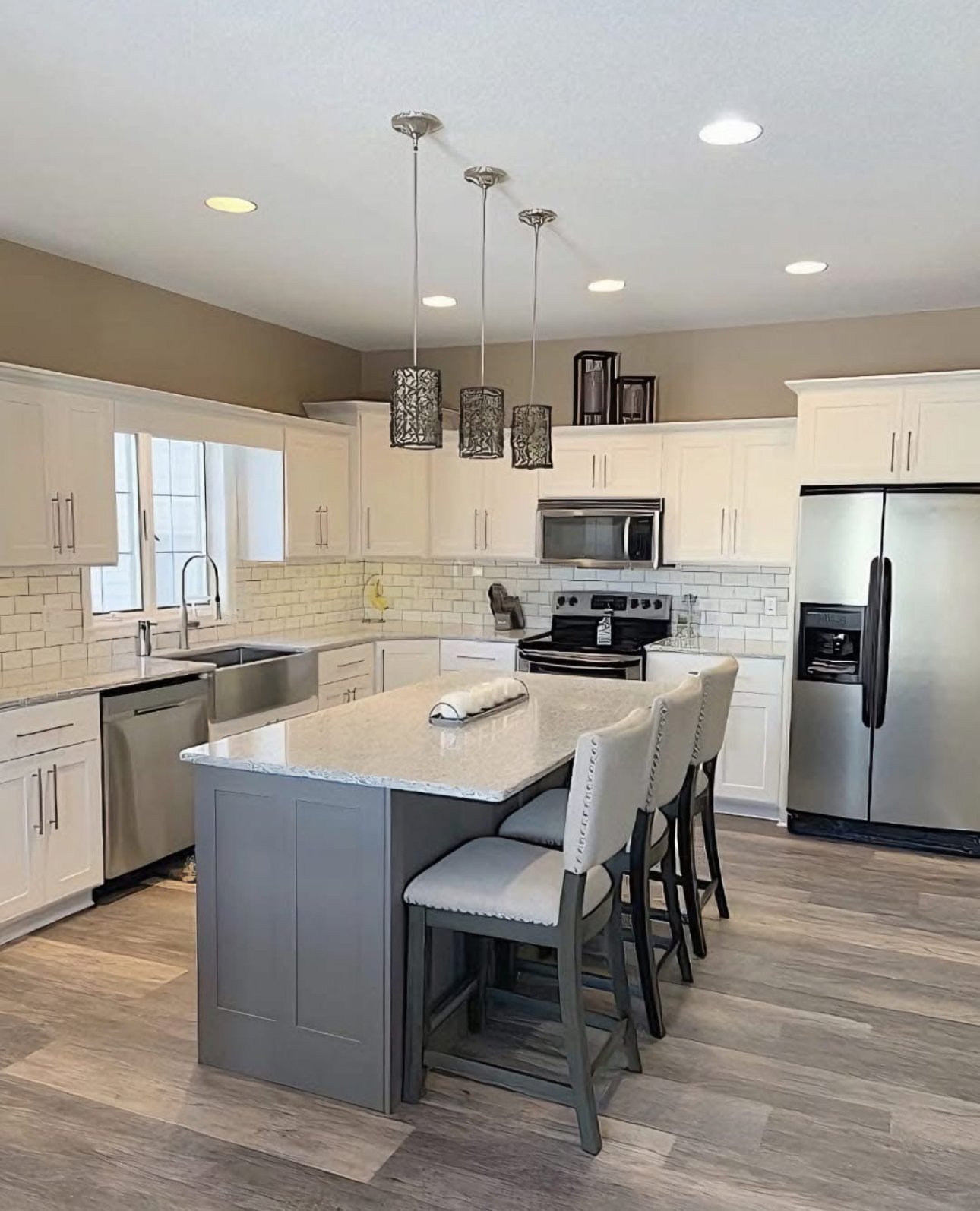
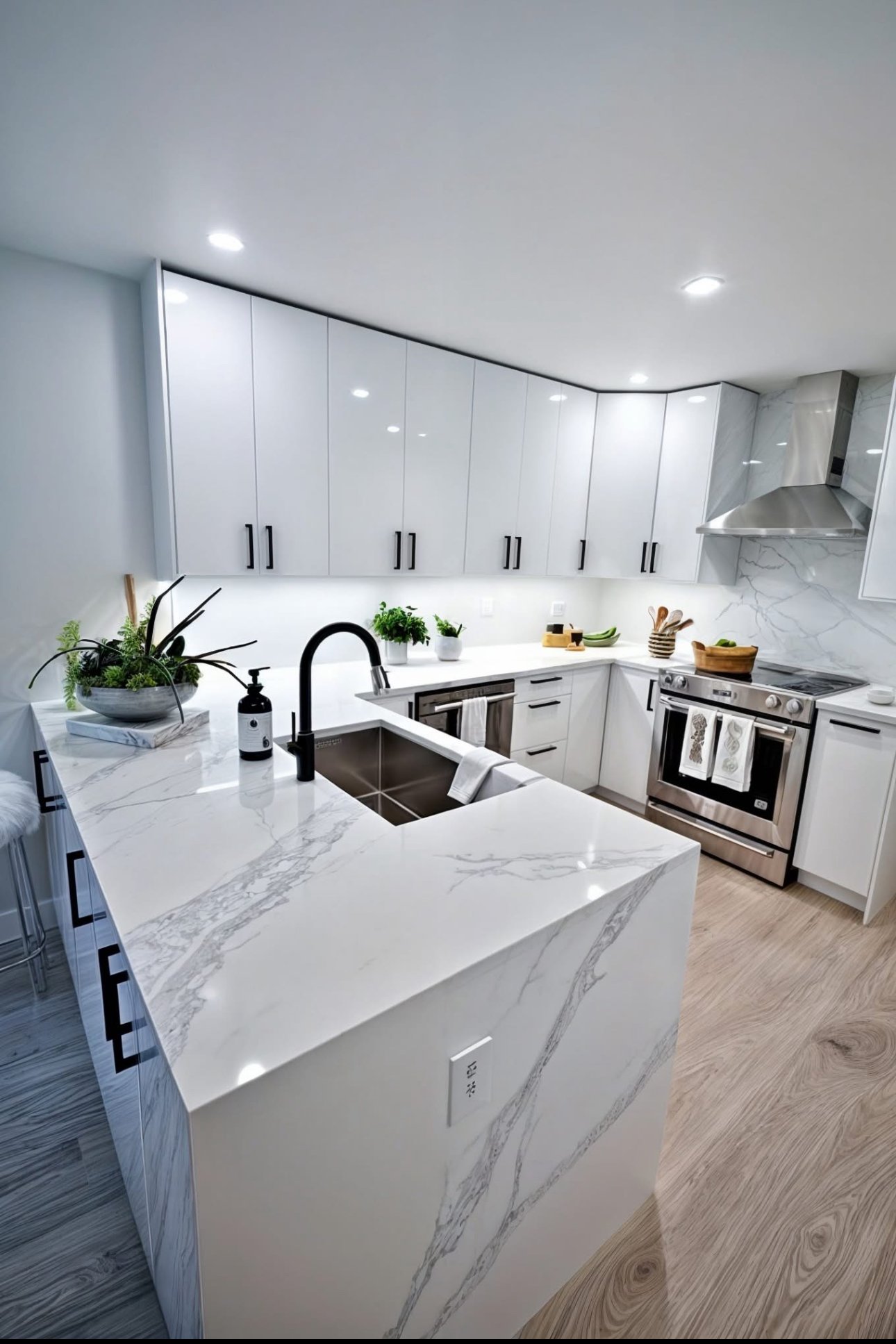
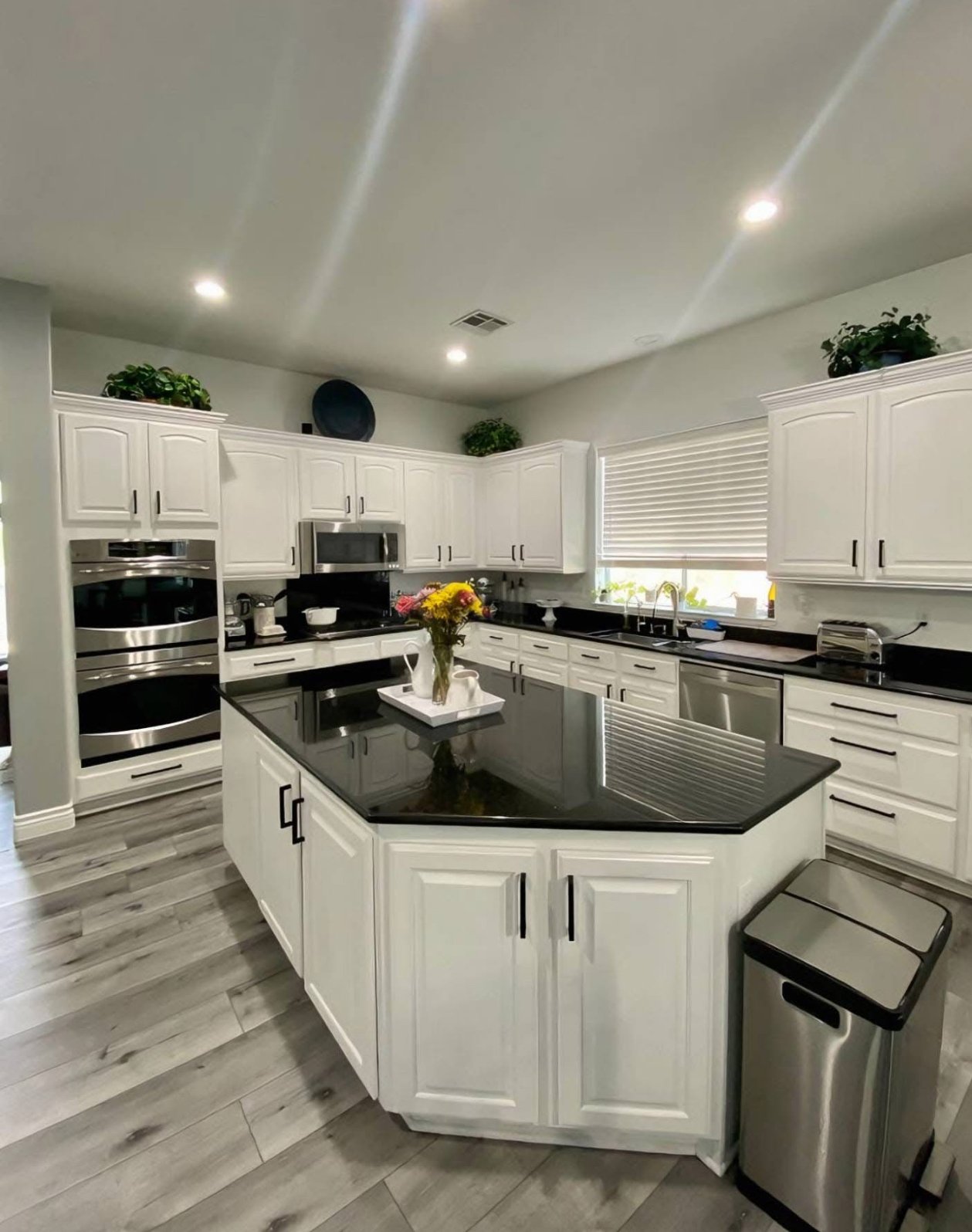
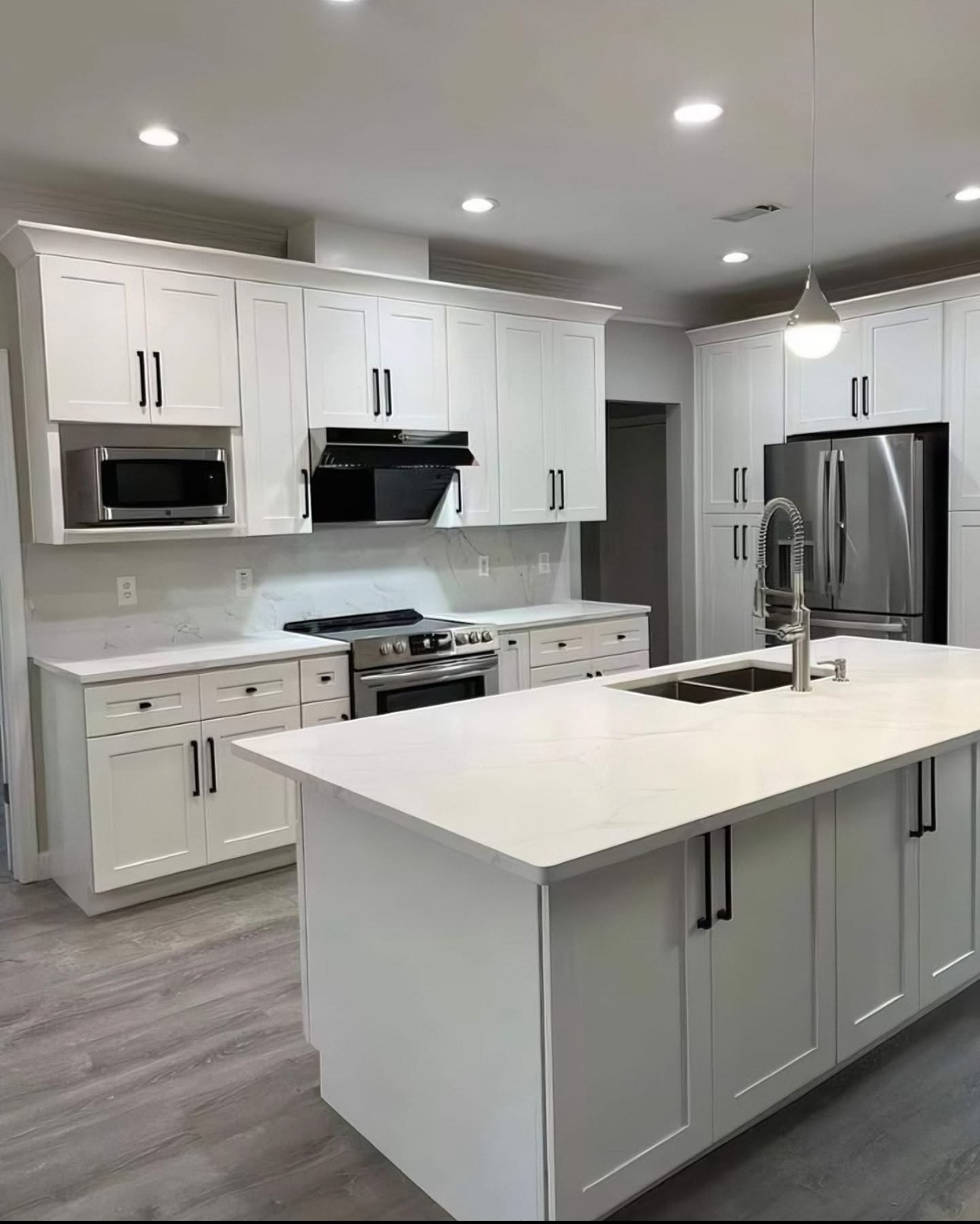
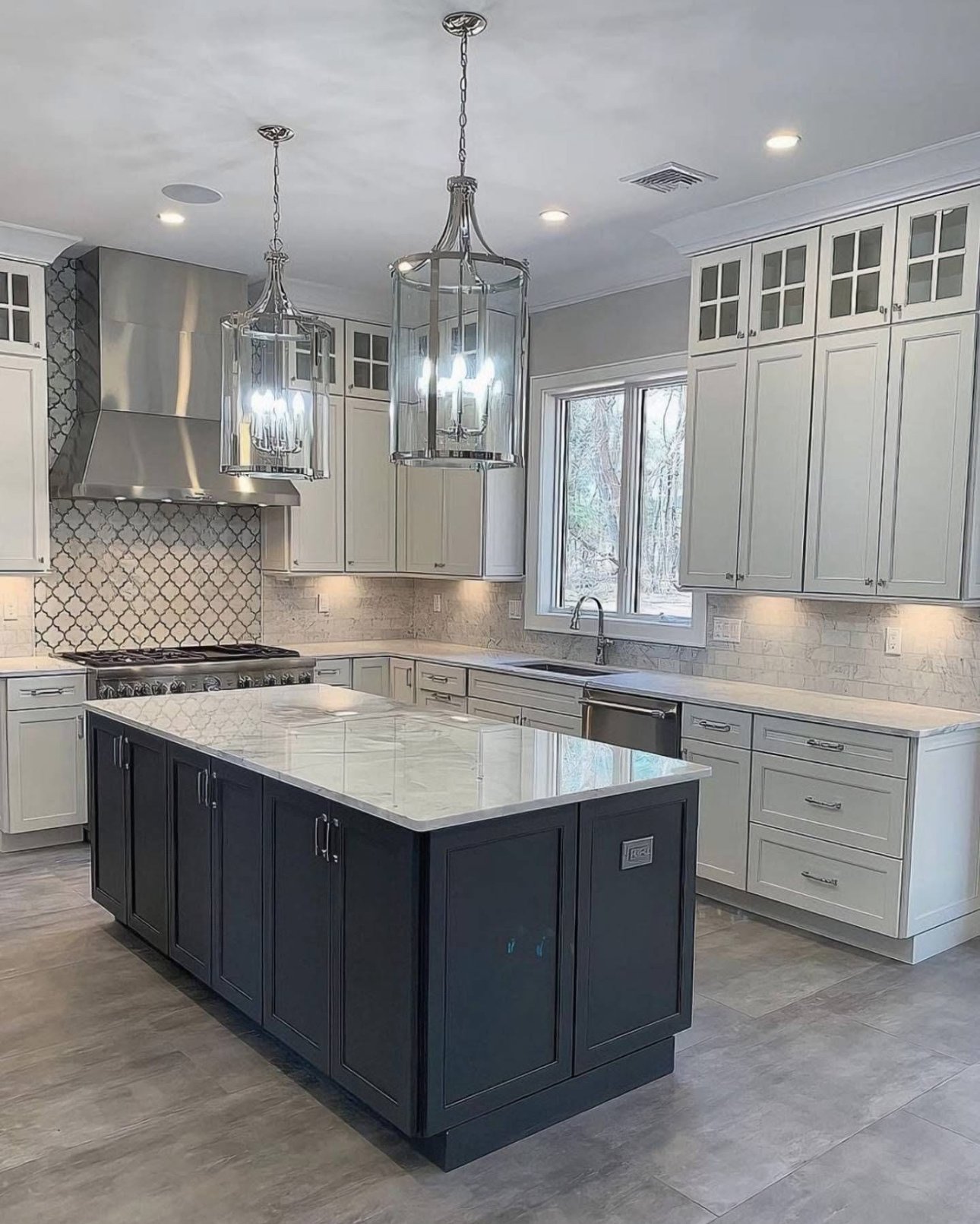
Kitchen Remodeling: A Complete Guide to Transforming Your Space
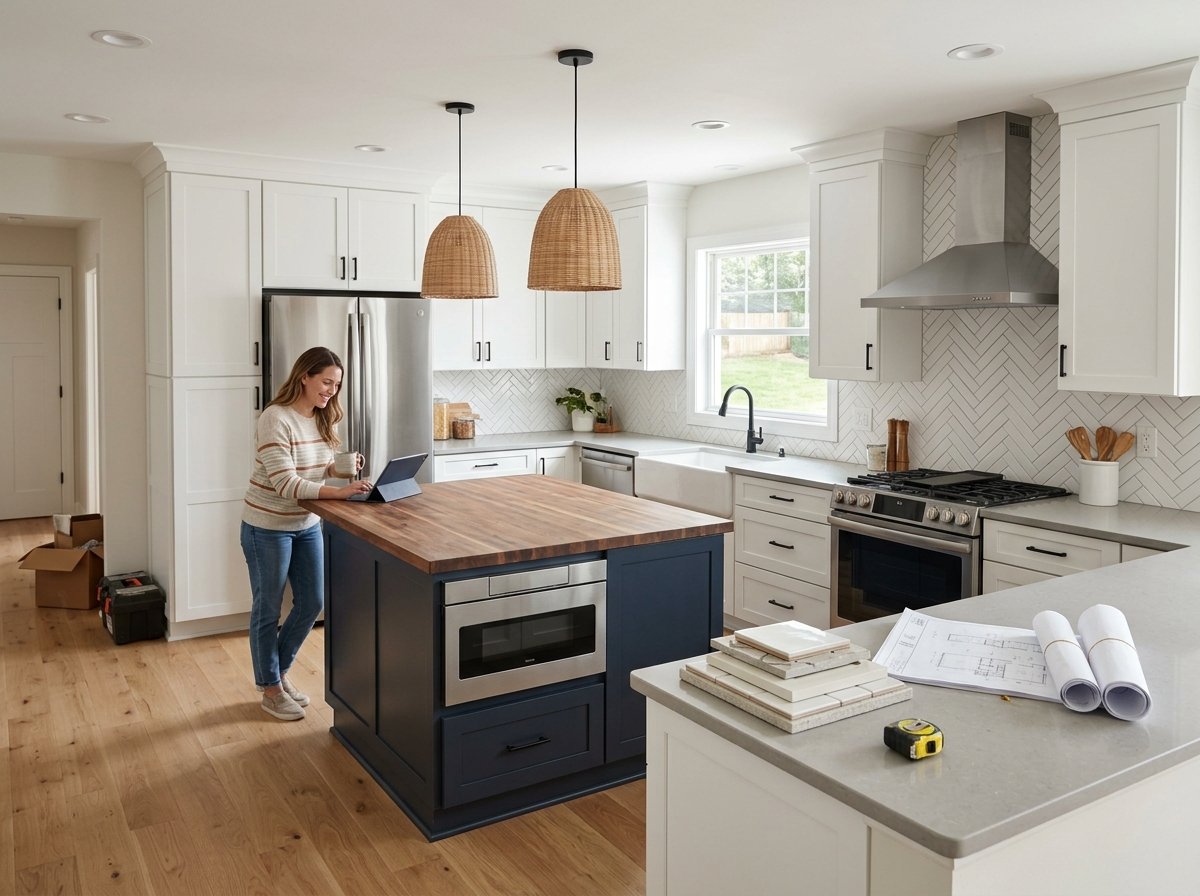
Kitchen remodeling is one of the most strategic investments a homeowner can make. It is not only about aesthetics—it directly impacts functionality, property value, and daily living quality. A well-planned kitchen renovation blends design, engineering, and practicality into a cohesive system that serves both lifestyle and long-term value.
This guide walks through every critical layer of kitchen remodeling—from planning and budgeting to materials, layout optimization, and execution.
Why Kitchen Remodeling Matters
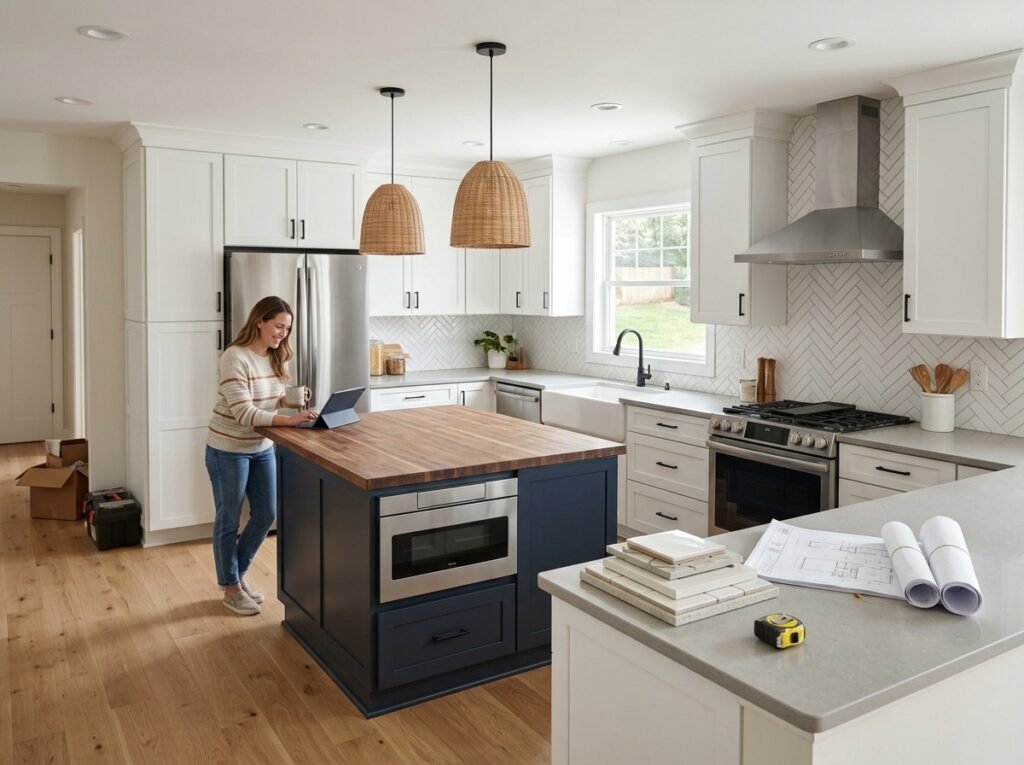
Every successful project begins with a disciplined planning phase. Skipping this stage leads to cost overruns and design inconsistencies.
Define Your Objectives
Start with clarity:
- Do you need more storage?
- Is your layout inefficient?
- Are you targeting resale value or personal comfort?
Your objective dictates every decision that follows.
Set a Realistic Budget
A structured budget should include:
- Cabinetry (30–40%)
- Labor (20–30%)
- Appliances (10–20%)
- Countertops, flooring, lighting (remaining portion)
Always allocate a 10–15% contingency reserve for unforeseen issues.
Choose the Right Layout
The kitchen layout defines efficiency. The classic work triangle (sink, stove, refrigerator) remains relevant.
Common layouts:
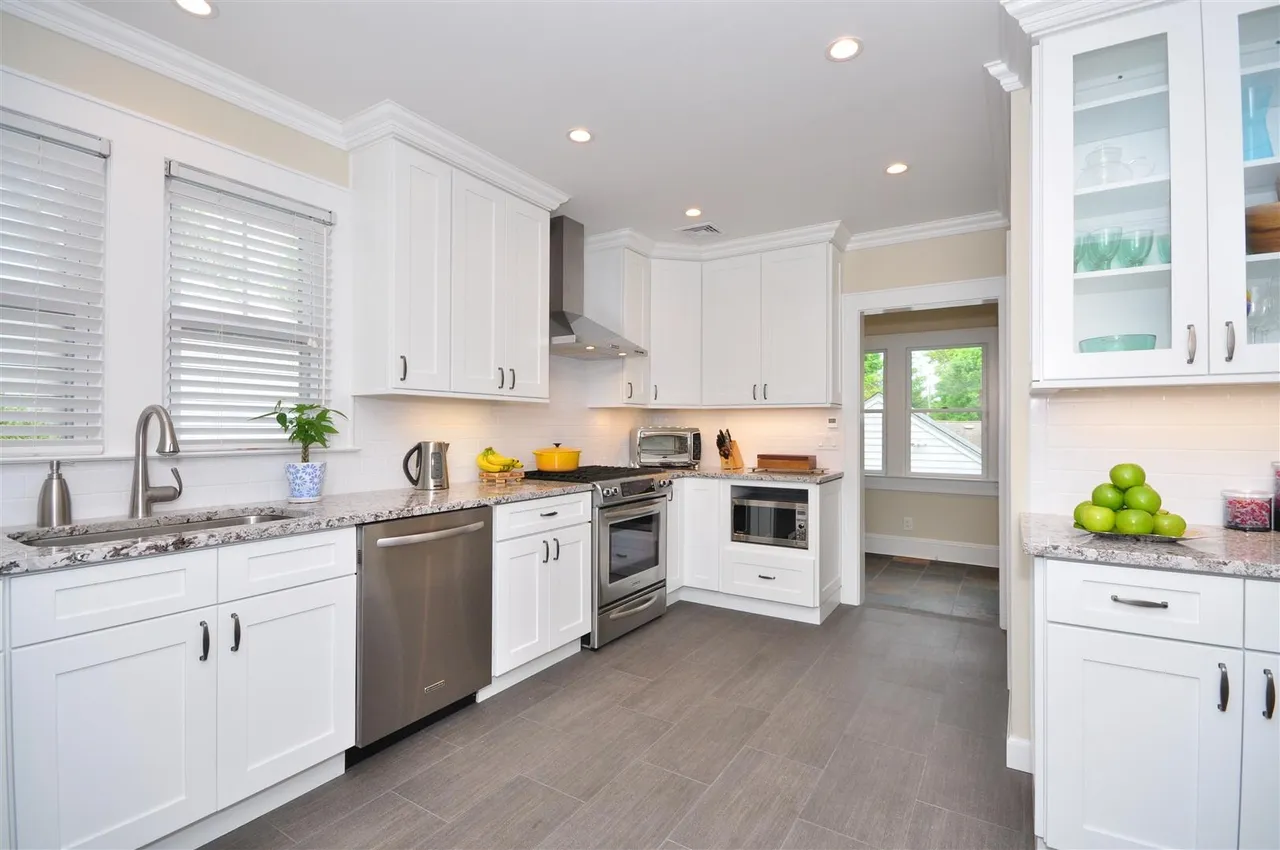
- L-shaped: Flexible and space-efficient
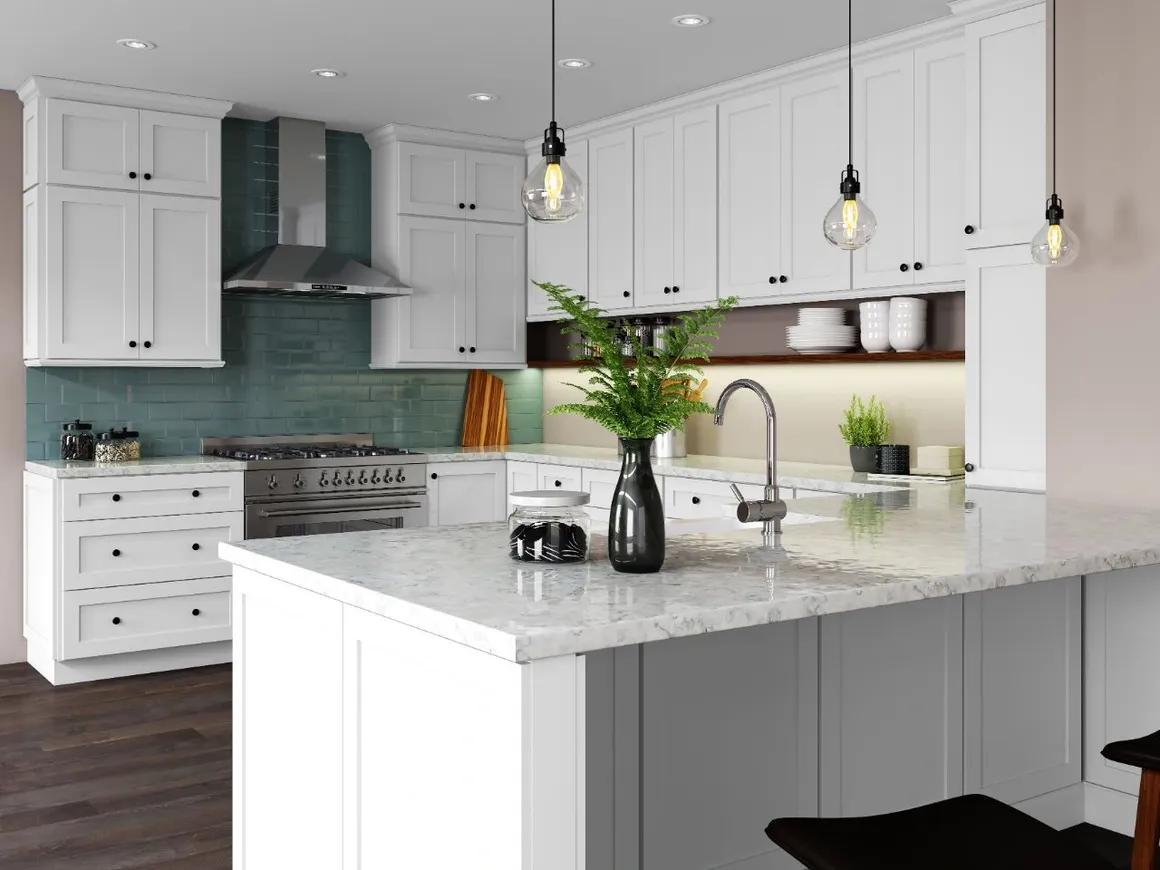
- U-shaped: Maximum storage and surface area
- Galley: Ideal for compact spaces
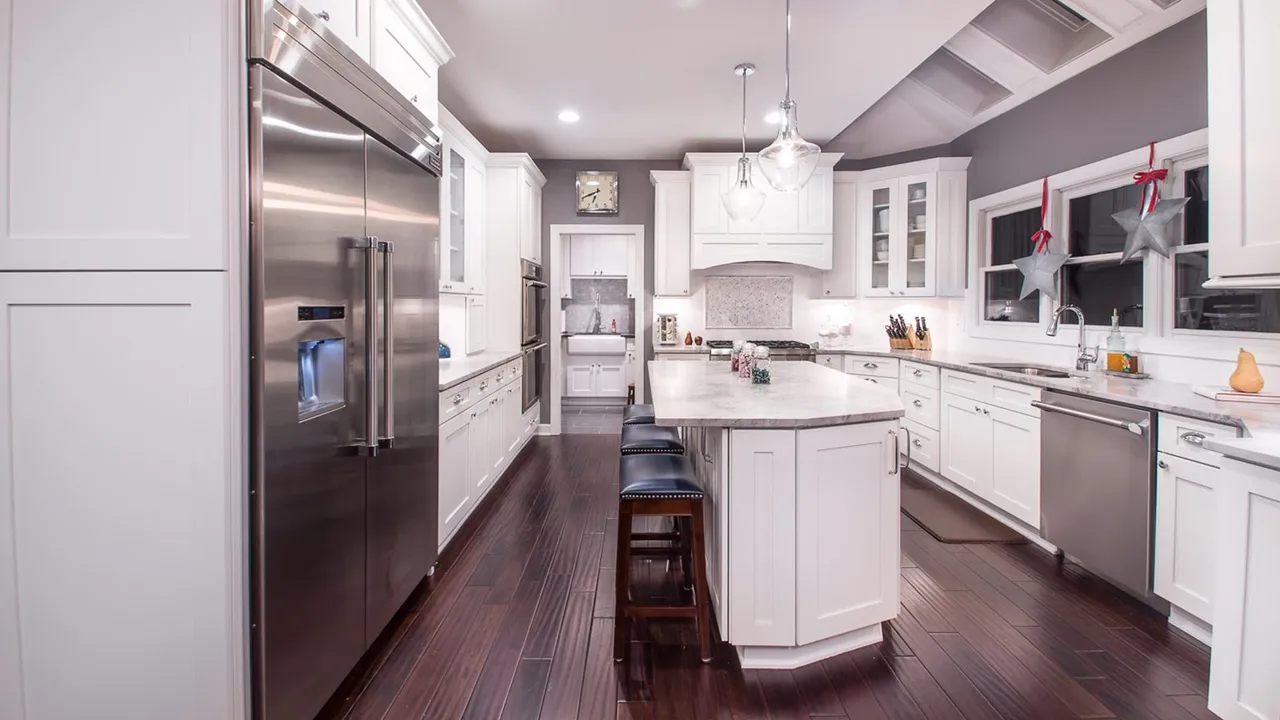
- Open concept: Popular for modern living
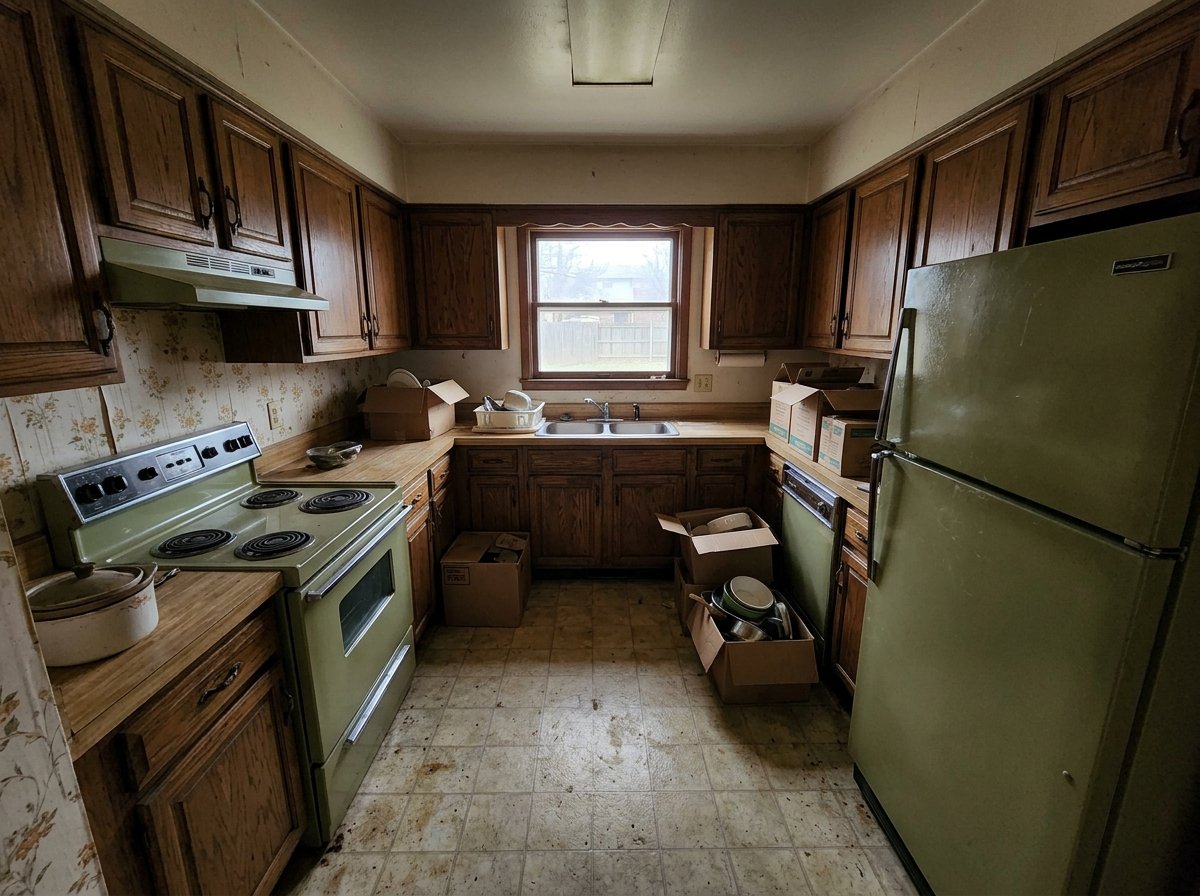
A kitchen is the operational core of a home. It is where utility meets social interaction. Over time, outdated layouts, inefficient storage, and worn materials reduce both usability and appeal.
A professional kitchen remodel delivers:
- Improved functionality: Better workflow and ergonomics
- Increased home value: High ROI compared to most renovations
- Energy efficiency: Modern appliances and lighting systems
- Aesthetic upgrade: Contemporary, timeless design appeal
When done correctly, remodeling is not an expense—it is a structured upgrade.
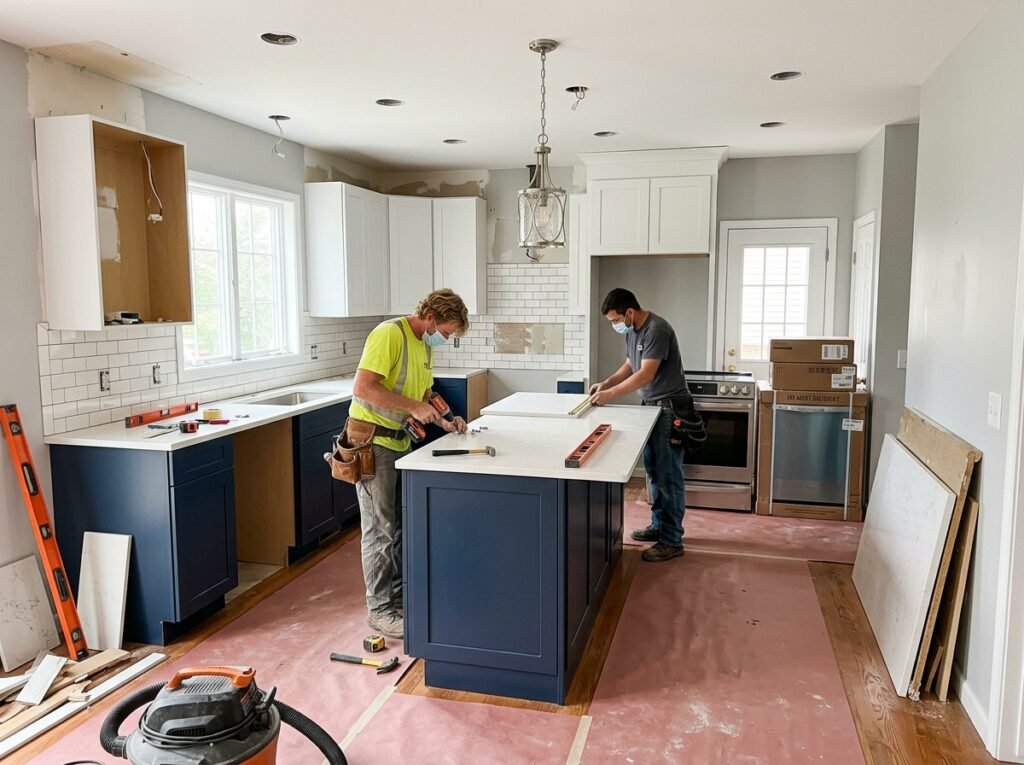
Cabinetry: The Foundation of Kitchen Design
Cabinets are both functional infrastructure and visual identity.
Types of Cabinets
- Stock cabinets: Cost-effective, limited customization
- Semi-custom: Balance of flexibility and price
- Custom cabinets: Fully tailored, premium investment
Material Considerations
- Solid wood: Durable, traditional
- MDF: Cost-efficient, smooth finish for painted surfaces
- Plywood: Strong and moisture-resistant
Style Direction
- Shaker: Timeless and versatile
- Slab (flat-panel): Modern and minimal
- Raised panel: Classic and decorative
Countertops and Surfaces
Countertops must balance durability, maintenance, and design.
Popular Options
- Quartz: Non-porous, low maintenance, highly durable
- Granite: Natural stone, unique patterns
- Marble: Premium look, higher maintenance
- Laminate: Budget-friendly alternative
Quartz remains the dominant choice due to its performance and consistency.
Appliances and Technology Integration
Modern kitchens are increasingly technology-driven.
Smart Upgrades
- Energy-efficient refrigerators
- Induction cooktops
- Smart ovens and dishwashers
- Touchless faucets
These upgrades reduce long-term operating costs while enhancing usability.
Lighting Strategy
Lighting is often underestimated but critically important.
Layered Lighting Approach
- Ambient lighting: General illumination
- Task lighting: Under-cabinet, focused work areas
- Accent lighting: Decorative and depth-enhancing
A well-lit kitchen improves both safety and visual appeal.
Flooring Options
Kitchen flooring must handle high traffic and moisture.
Recommended Materials
- Porcelain tile: Durable and water-resistant
- Vinyl (LVP): Cost-effective and resilient
- Hardwood: Warm aesthetic, requires maintenance
The selection should align with both lifestyle and maintenance tolerance.
Timeline and Execution
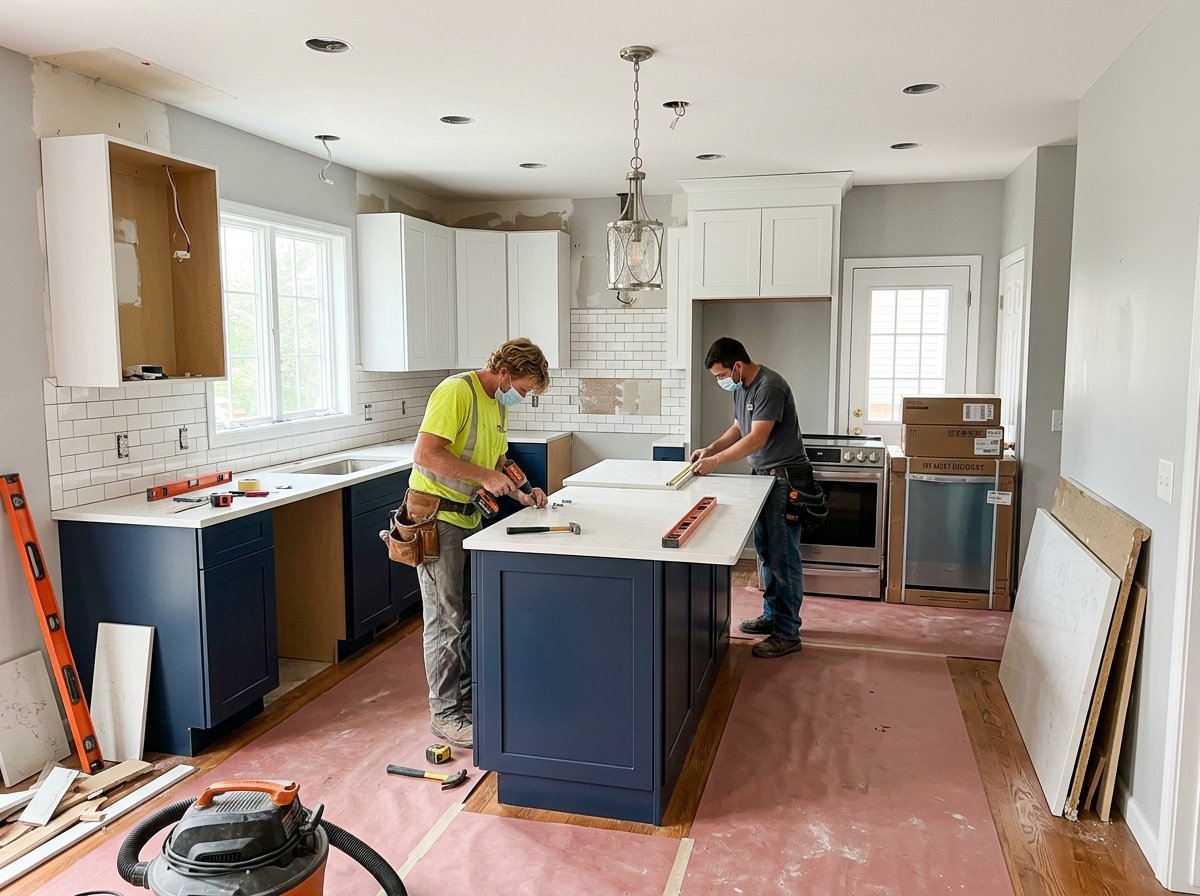
A typical kitchen remodel follows this sequence:
- Design and planning
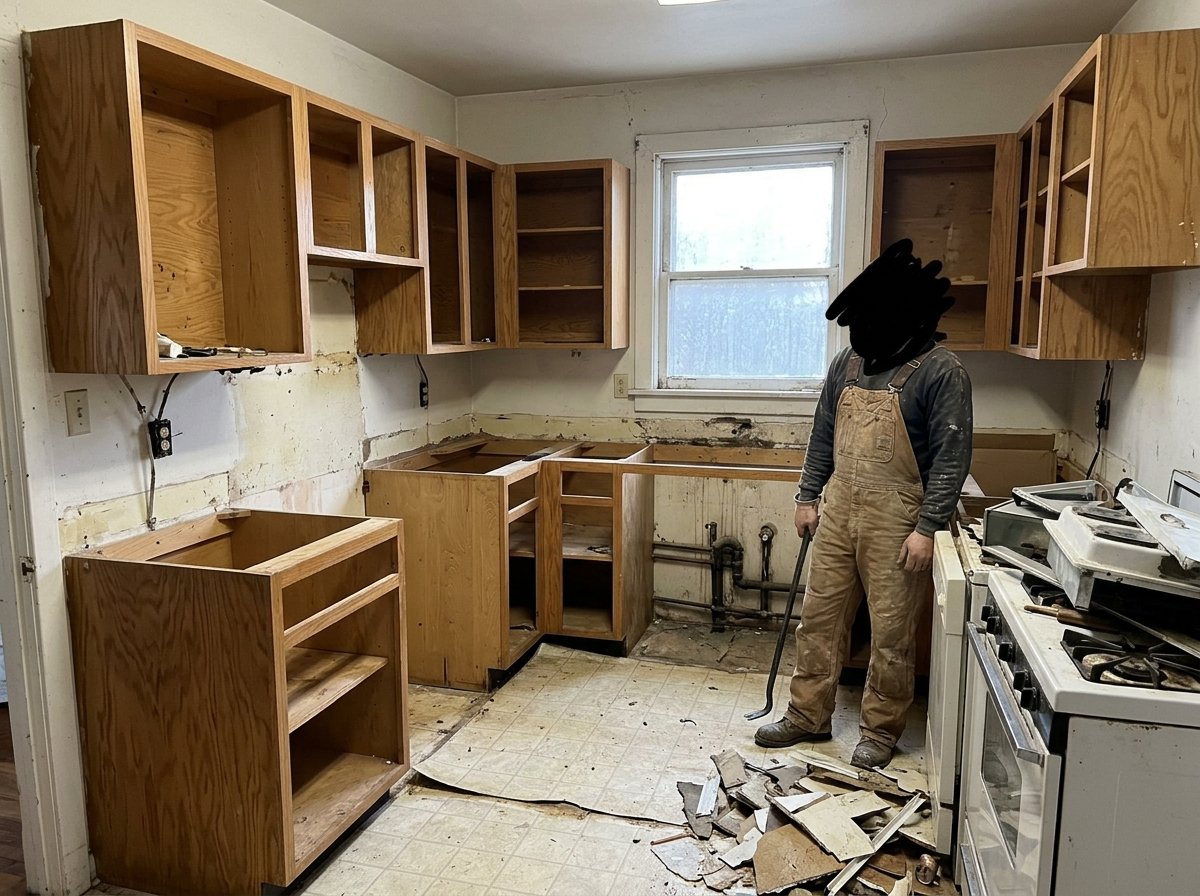
- Demolition
- Plumbing and electrical work
- Cabinet installation
- Countertop placement
- Appliance installation
- Finishing touches
Average duration: 4–8 weeks, depending on complexity.
Common Mistakes to Avoid
Even experienced homeowners fall into predictable traps:
- Ignoring workflow efficiency
- Underestimating budget
- Choosing aesthetics over durability
- Poor lighting planning
- Hiring unqualified contractors
A disciplined approach eliminates these risks.
ROI and Long-Term Value
Kitchen remodeling consistently ranks among the highest return-on-investment projects.
Key value drivers:
- Modern layout
- Quality cabinetry
- Energy-efficient appliances
- Neutral, timeless design
A well-executed remodel can significantly increase both market appeal and property price.
Final Perspective
Kitchen remodeling is not a cosmetic update—it is a structural improvement that reshapes how a home functions. The most successful projects respect both traditional design principles and modern innovation.
If you approach the process with clear objectives, disciplined budgeting, and professional execution, the result is not just a better kitchen—it is a stronger, more valuable home.