
Indoor and outdoor painting
- Home
- Our Services
- Indoor and outdoor painting
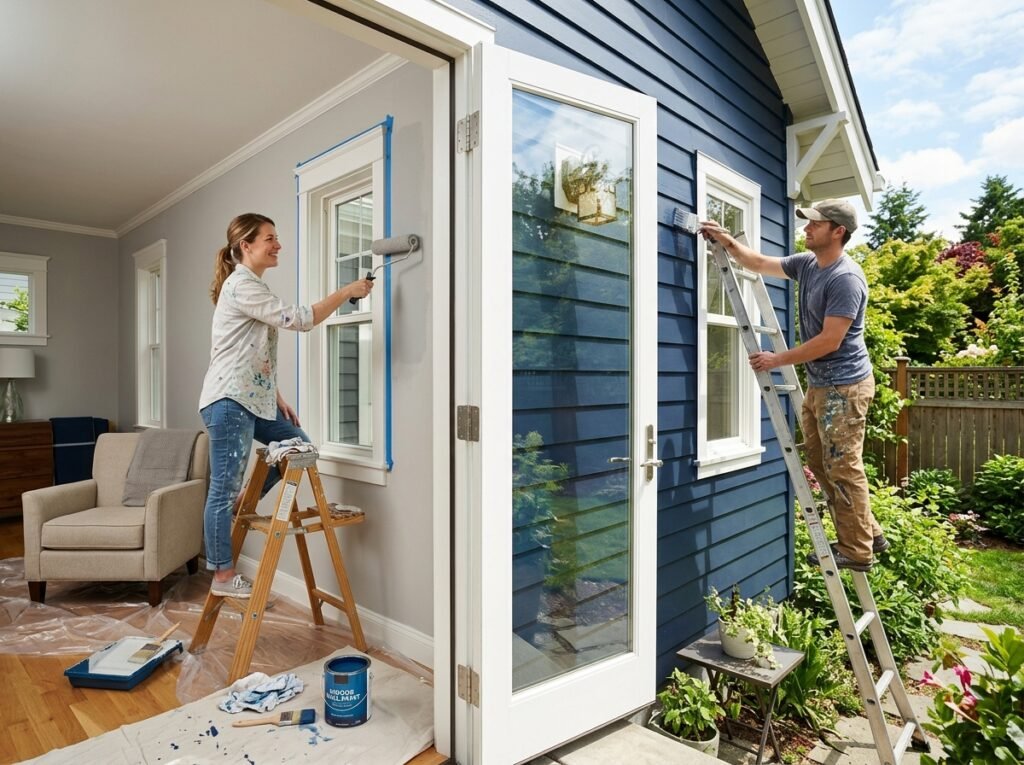
Transform Your Space with Expert Indoor & Outdoor Painting
Give your home a flawless, long-lasting finish with professional painting services. Book your free estimate today and refresh your space with confidence.
Indoor and Outdoor Painting: A Complete Guide to Lasting Quality and Visual Impact
Indoor and outdoor painting is more than a cosmetic upgrade—it is a structured improvement that protects surfaces, enhances durability, and elevates the overall character of a property. When executed with proper planning, material selection, and application techniques, painting delivers both immediate visual transformation and long-term value.
This guide covers the full scope of interior and exterior painting, from preparation and materials to execution and maintenance.
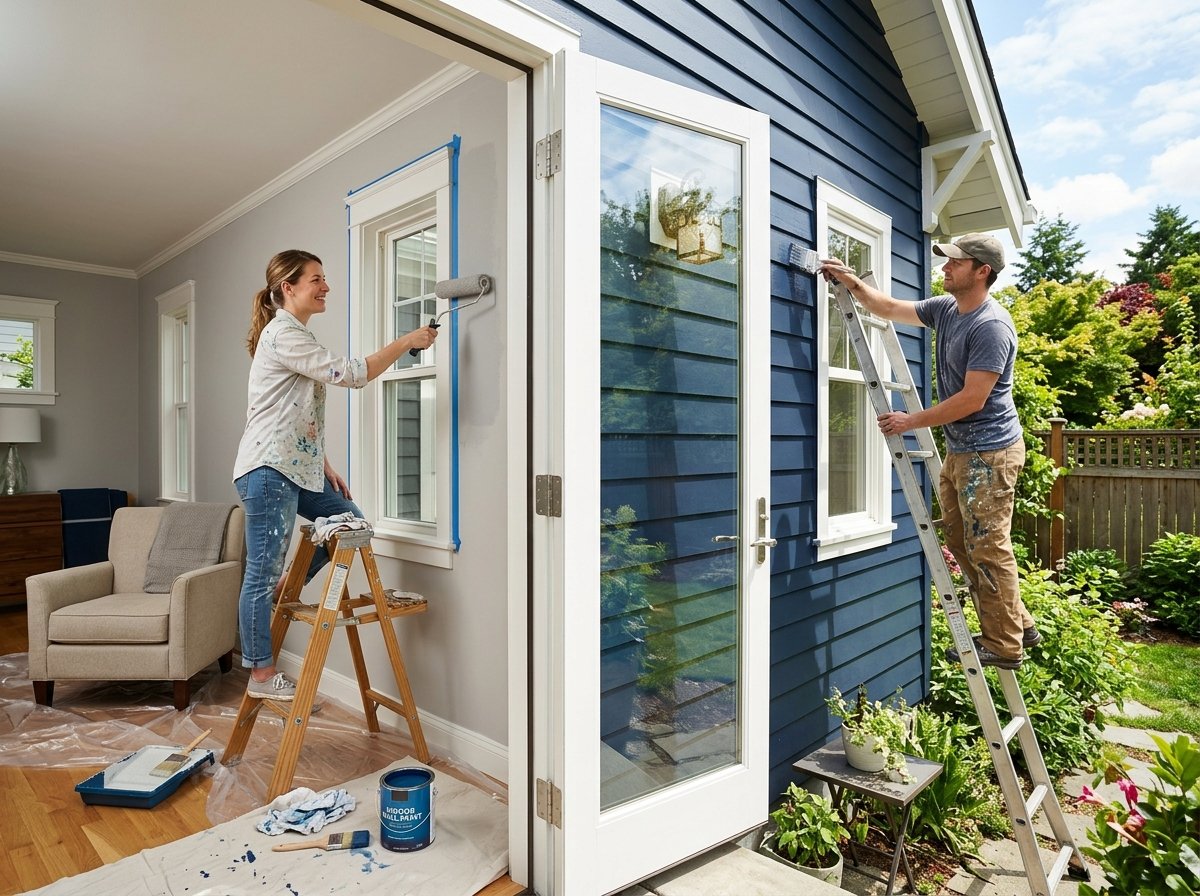
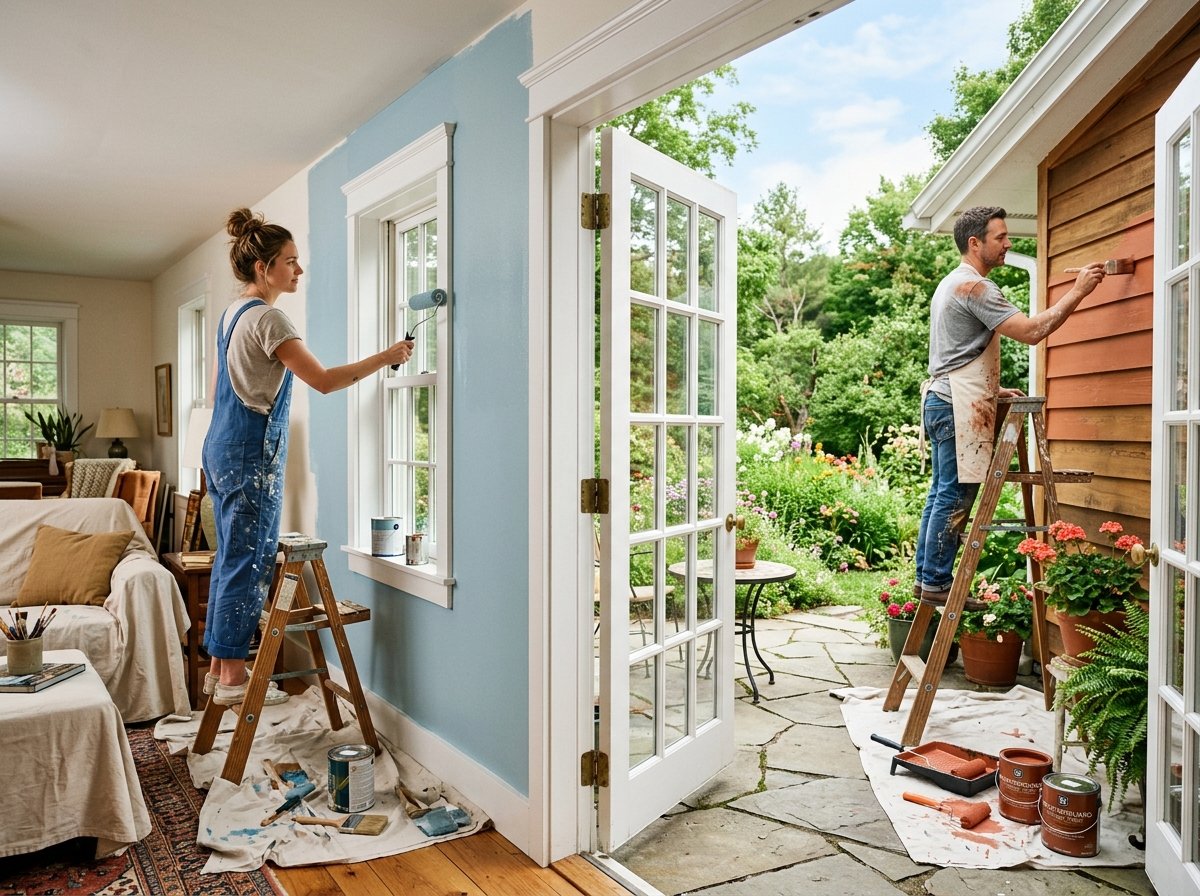
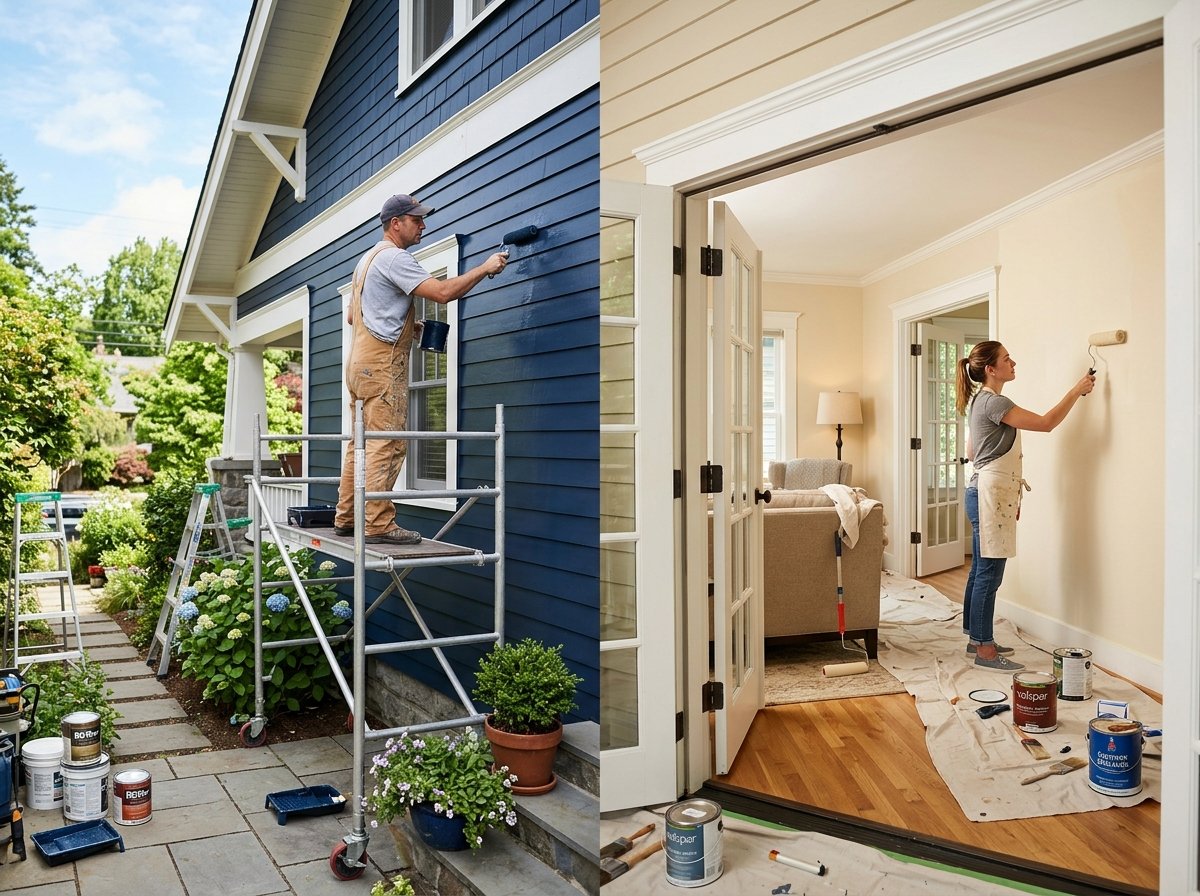
Why Professional Painting Matters
Painting is often underestimated as a simple task. In reality, it requires surface science, environmental awareness, and technical precision.
Key benefits include:
- Surface protection: Shields walls from moisture, UV rays, and wear
- Increased property value: Fresh, clean finishes improve market appeal
- Longevity: Proper application extends surface life
- Aesthetic consistency: Cohesive color schemes enhance spatial perception
A well-executed paint job is both functional and strategic.
Indoor Painting: Precision and Atmosphere
Interior painting directly influences how a space feels and functions. Color, finish, and application technique all play critical roles.
Surface Preparation
Preparation defines the outcome:
- Cleaning and degreasing surfaces
- Filling cracks and imperfections
- Sanding for smooth adhesion
- Applying primer for uniform coverage
Skipping preparation leads to uneven finishes and premature peeling.
Choosing the Right Paint Type
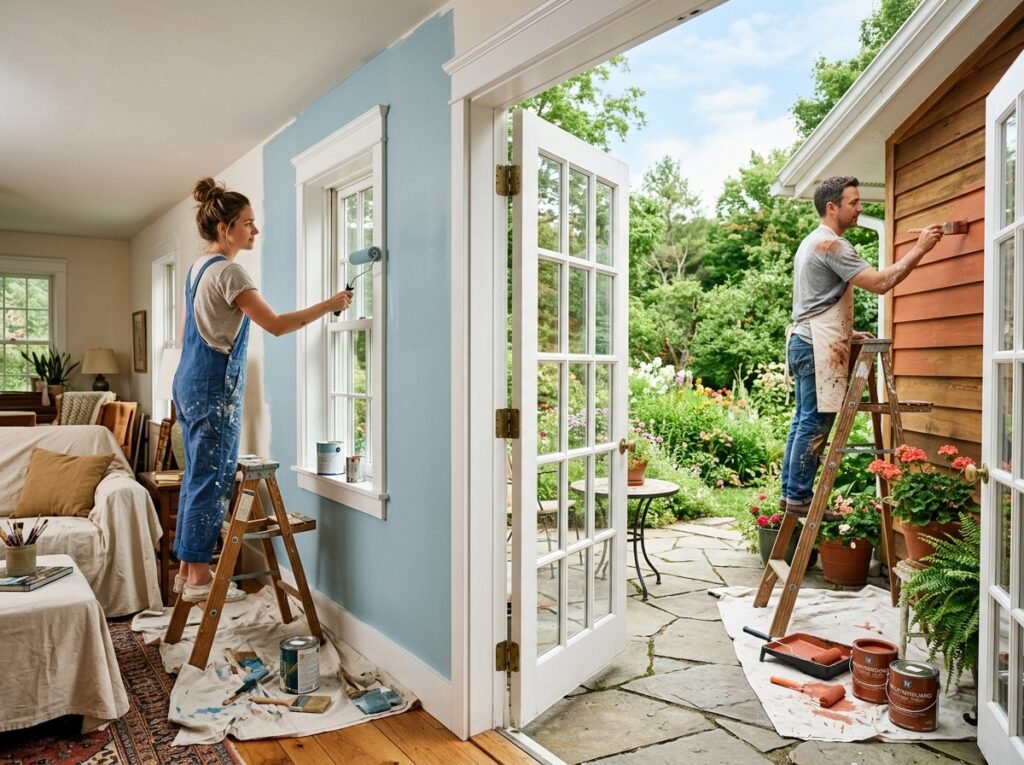
Outdoor Painting: Protection Meets Durability
Exterior painting operates under environmental stress—sunlight, rain, humidity, and temperature shifts.
Surface Preparation for Exterior
Exterior prep is more intensive:
- Pressure washing
- Scraping old paint
- Repairing cracks and damaged siding
- Priming exposed surfaces
Without proper prep, even premium paint fails quickly.
Different areas require different formulations:
- Matte/Flat: Ideal for low-traffic areas (living rooms, ceilings)
- Eggshell/Satin: Balanced durability and aesthetics (bedrooms, hallways)
- Semi-gloss/Gloss: High durability (kitchens, bathrooms, trims)
High-moisture areas demand mold-resistant paints.
Color Strategy and Spatial Design
Color selection is not arbitrary—it shapes perception:
- Light tones expand space visually
- Dark tones create depth and sophistication
- Neutral palettes ensure timeless appeal
A structured palette prevents visual clutter and maintains harmony.
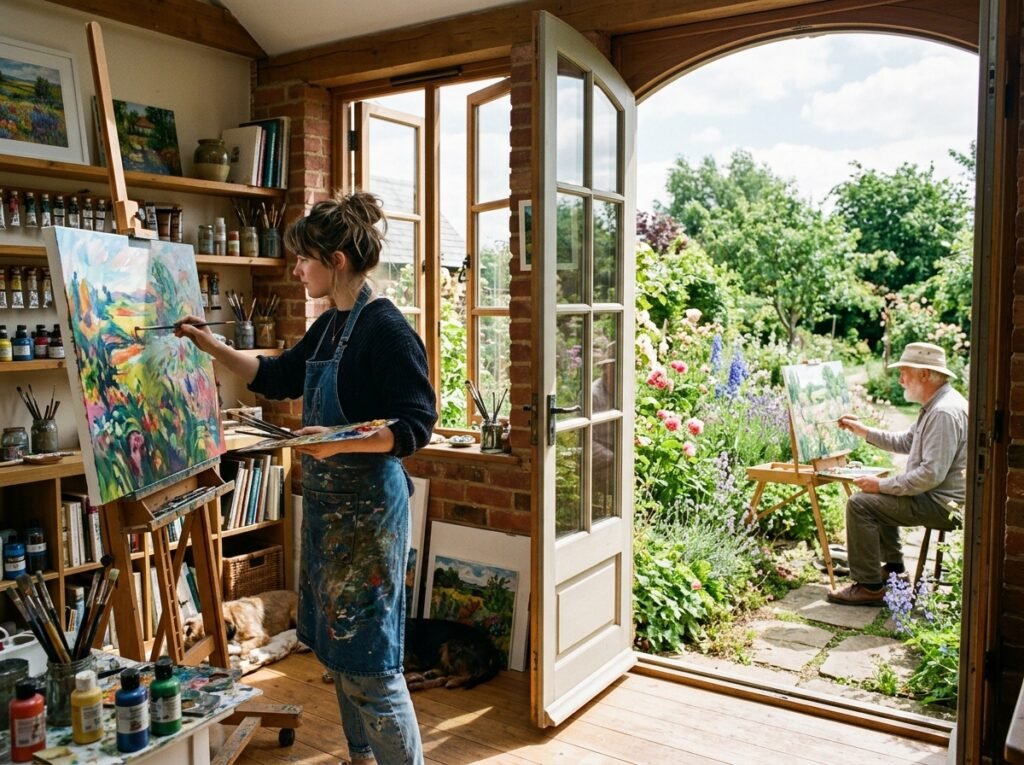
Choosing Exterior Paint
Exterior coatings must be engineered for resilience:
- Acrylic latex paints: Flexible and weather-resistant
- Elastomeric coatings: Ideal for surfaces prone to cracking
- UV-resistant finishes: Prevent fading and degradation
Durability is the primary criterion—not just appearance.
Weather and Timing
Timing directly affects application quality:
- Avoid extreme heat or cold
- Ideal conditions: mild temperature, low humidity
- Proper drying time between coats is critical
Environmental control ensures adhesion and longevity.
Tools, Techniques, and Application
Professional results depend on both tools and technique.
Essential Tools
- Rollers for large surfaces
- Brushes for edges and details
- Sprayers for uniform coverage on exteriors
Application Best Practices
- Use multiple thin coats instead of one thick layer
- Maintain consistent stroke direction
- Allow proper drying time between coats
Precision in execution separates amateur work from professional quality.
Common Mistakes to Avoid
Frequent errors reduce both durability and appearance:
- Skipping primer
- Painting over dirty or damp surfaces
- Using low-quality materials
- Ignoring weather conditions
- Applying uneven coats
These mistakes often lead to costly rework.
Cost vs Value Perspective
Painting offers one of the highest returns among property upgrades.
Value drivers:
- Improved curb appeal
- Protection against structural damage
- Reduced maintenance costs over time
- Faster property sale potential
A professionally executed project pays for itself in durability and perception.
Maintenance and Longevity
Even the best paint job requires maintenance:
- Clean surfaces periodically
- Inspect for cracks or peeling
- Touch up high-wear areas
- Repaint exteriors every 5–10 years depending on conditions
Proactive care extends lifespan significantly.
Final Insight
Indoor and outdoor painting is a disciplined process that combines preparation, material science, and execution precision. Respecting traditional craftsmanship principles while leveraging modern materials ensures results that are both visually striking and structurally reliable.
When approached correctly, painting is not just a refresh—it is a long-term upgrade that protects, enhances, and elevates your entire property.