
Basement Remodeling
- Home
- Our Services
- Basement Remodeling
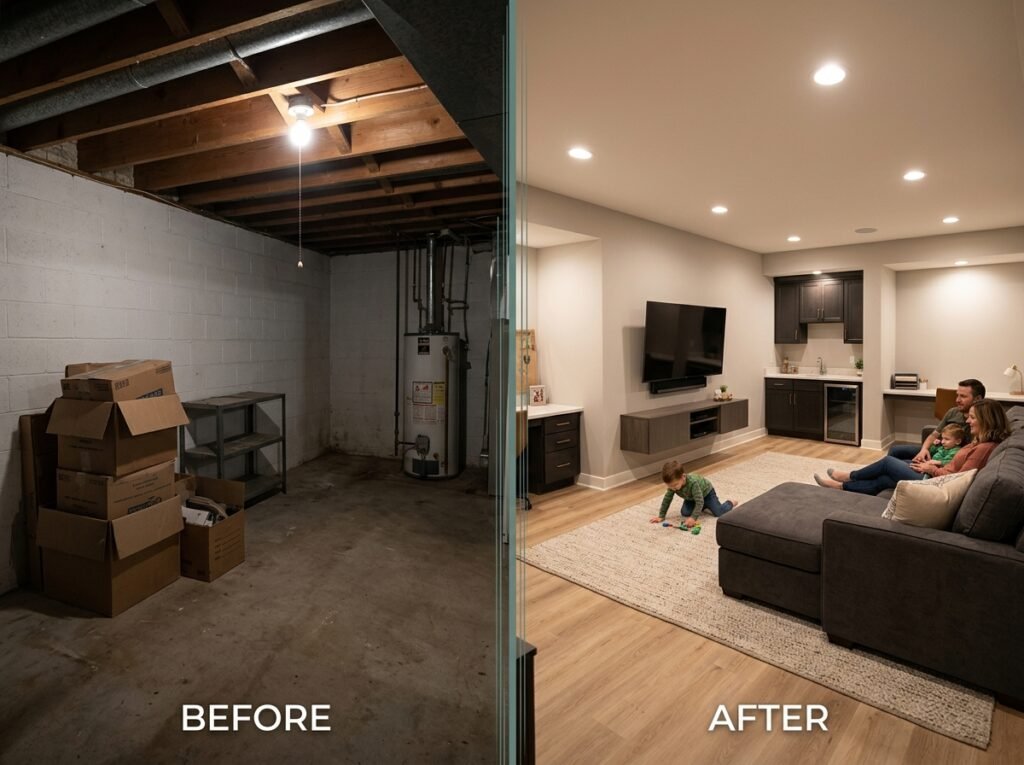
Turn Your Basement Into a Living Space – Smart, Stylish, Valuable
Unlock the full potential of your home with expert basement remodeling. Get your free consultation today and transform unused space into comfort and value.
Basement Remodeling: A Complete Guide to Maximizing Space and Property Value
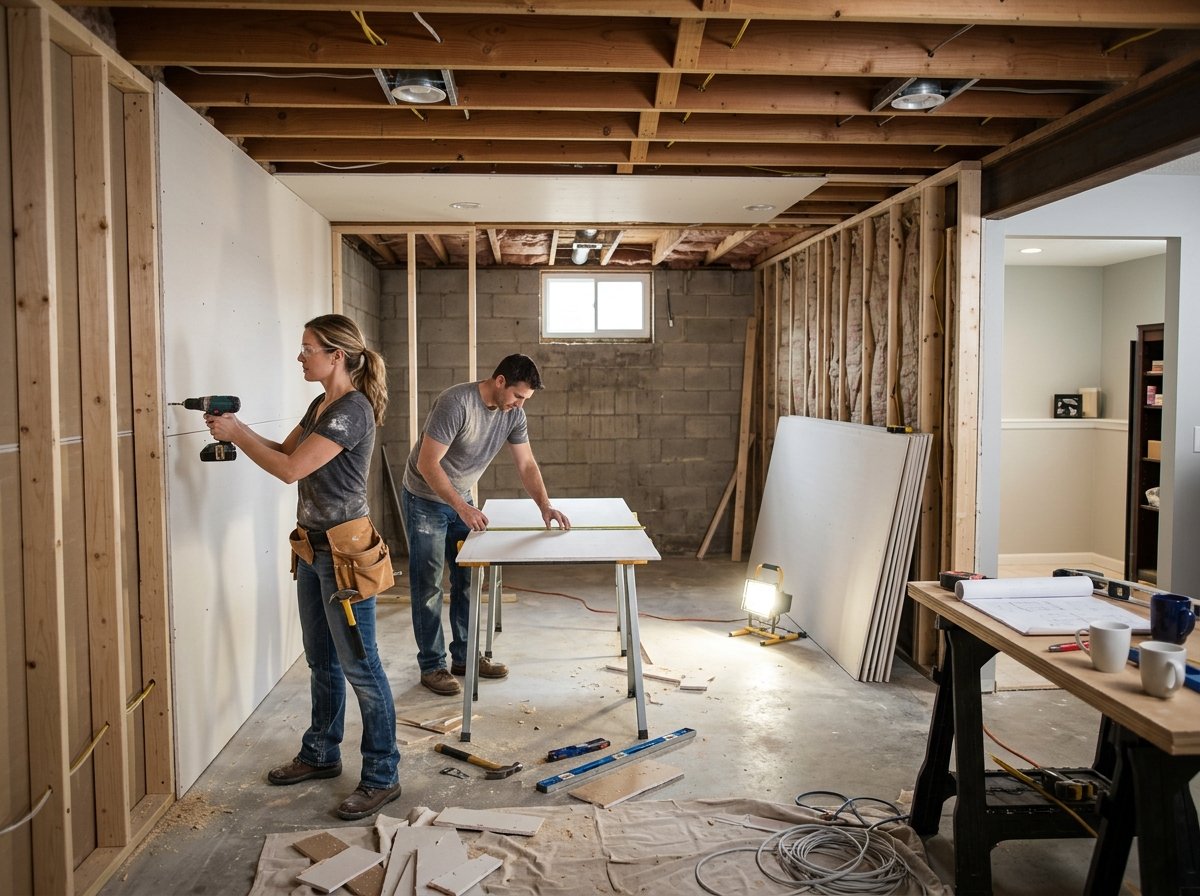
Basement remodeling is one of the most strategic ways to expand usable living space without altering your home’s footprint. When designed and executed correctly, a basement can transition from a neglected storage area into a fully functional, high-value living environment.
This is not a simple renovation—it is a structural, environmental, and design-driven transformation that requires precision.
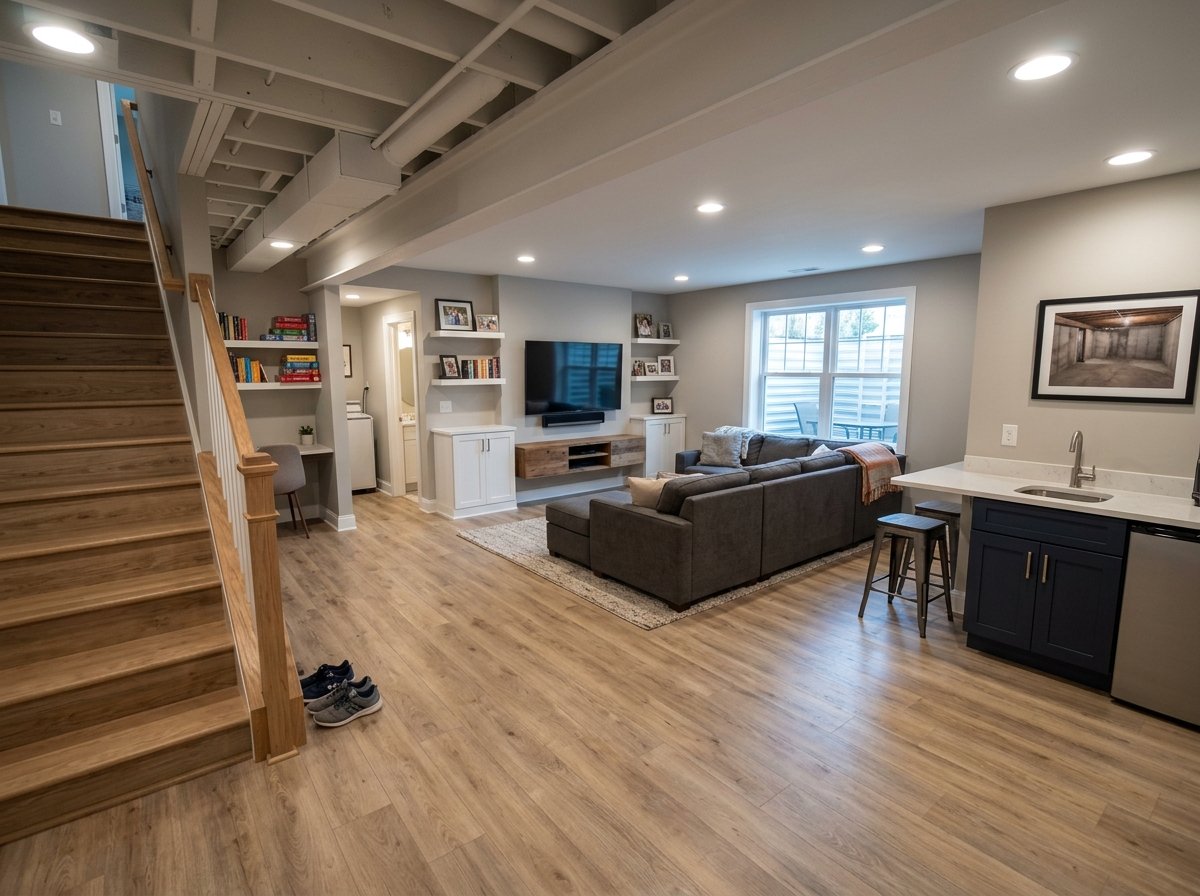
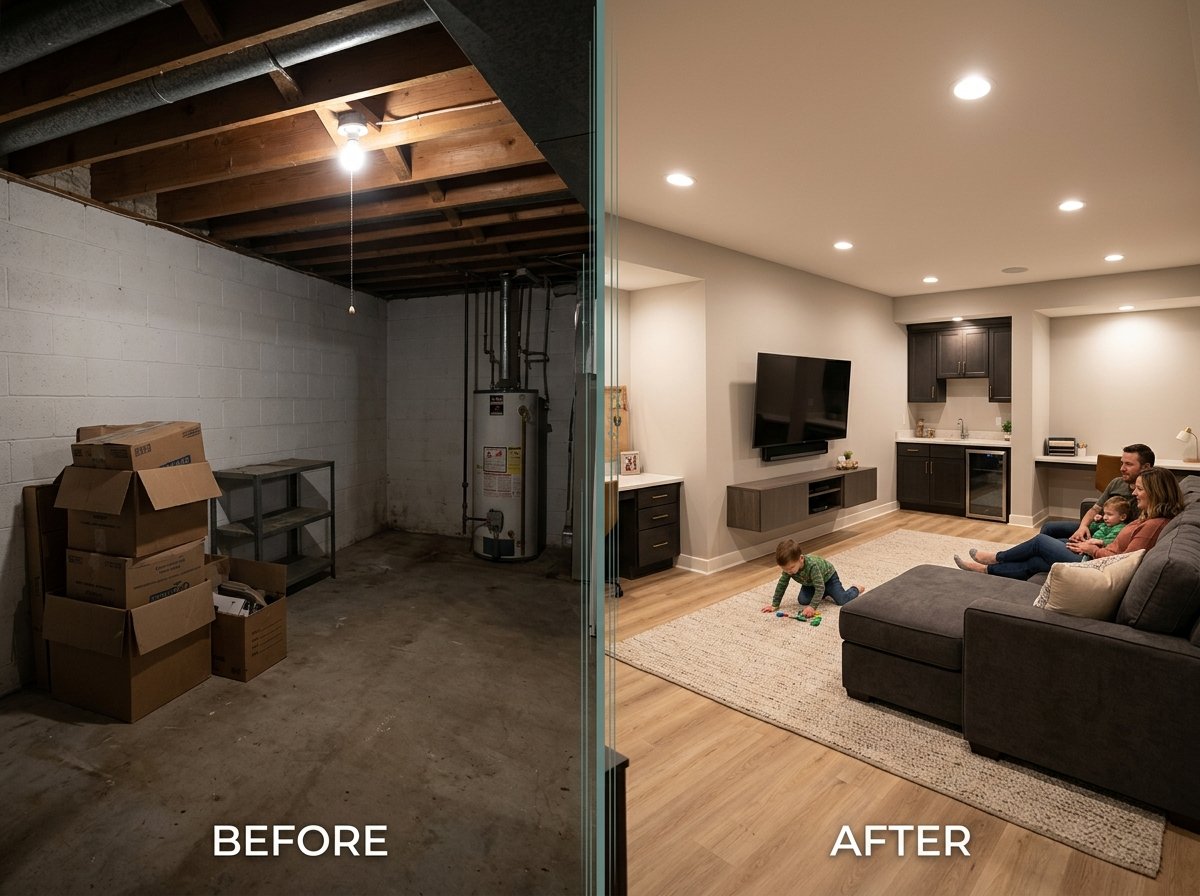
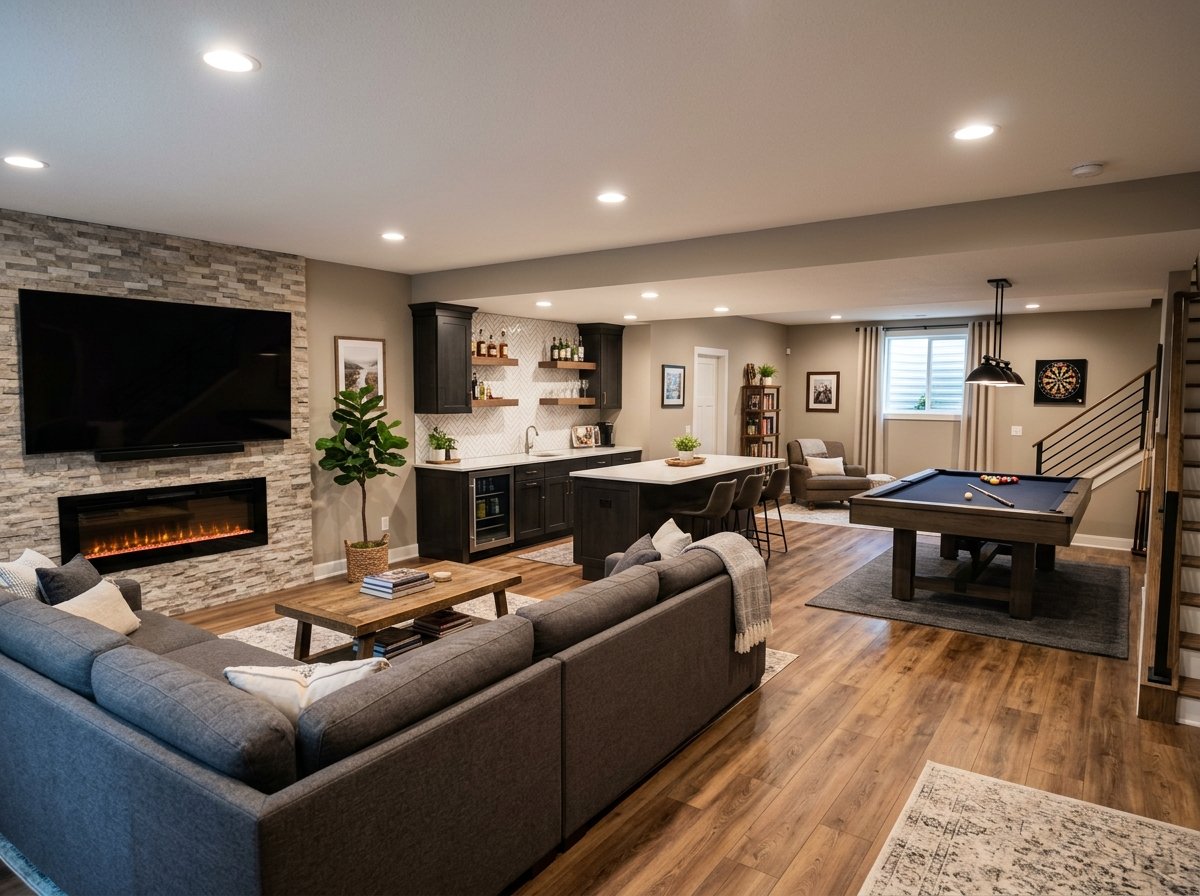
Why Basement Remodeling Matters
A basement represents untapped square footage. Instead of building outward or upward, remodeling allows you to optimize existing space efficiently.
Key advantages:
- Increased living area: Add bedrooms, offices, or entertainment zones
- Higher property value: Significant ROI in most markets
- Multi-functional use: Rental unit, gym, media room, guest suite
- Energy efficiency: Proper insulation improves overall home performance
A finished basement transforms how a home is used on a daily basis.
Planning Your Basement Remodel
Insulation and Temperature Control
Basements tend to be colder than the rest of the house.
Recommended Approaches
- Rigid foam insulation for walls
- Spray foam for sealing gaps
- Insulated subfloor systems
Proper insulation improves comfort and reduces energy costs.
Lighting Strategy: Overcoming Low Natural Light
Basements typically lack natural light, so artificial lighting must be carefully designed.
Layered Lighting System
- Ambient lighting: Recessed ceiling lights
- Task lighting: Desk or kitchen areas
- Accent lighting: Wall sconces, LED strips
Bright, well-balanced lighting prevents the space from feeling confined.
A disciplined planning phase is essential due to the technical complexity of basements.
Define the Purpose
Start with function:
- Living room or entertainment area
- Home office or workspace
- Guest bedroom or rental unit
- Gym or hobby room
Each use case requires different infrastructure (lighting, plumbing, insulation).
Budget Structuring
Basement projects involve hidden costs. Your budget should include:
- Framing and insulation
- Electrical and plumbing systems
- Flooring and wall finishes
- Moisture control solutions
Always allocate a contingency reserve (10–20%) due to unforeseen structural issues.
Moisture Control: The Critical Foundation
Unlike upper floors, basements are naturally exposed to moisture and humidity.
Essential Solutions
- Waterproofing walls and floors
- Installing vapor barriers
- Sump pump systems if needed
- Proper drainage around foundation
Ignoring moisture control leads to mold, odors, and long-term structural damage.
Flooring Options for Basements
Basement flooring must handle moisture and temperature fluctuations.
- Vinyl (LVP): Waterproof and durable (top choice)
- Engineered wood: More stable than solid hardwood
- Epoxy coating: Industrial durability and moisture resistance
- Carpet tiles: Warm and comfortable, easy to replace
Avoid solid hardwood due to moisture sensitivity.
Walls and Ceiling Design
Wall Systems
- Drywall over framed structure
- Moisture-resistant boards (green board)
- Panel systems for easier access
Ceiling Options
- Drywall ceiling (clean look)
- Drop ceiling (access to utilities)
The choice depends on maintenance accessibility vs aesthetics.
Plumbing and Bathroom Additions
Adding a bathroom significantly increases usability and property value.
Considerations:
- Drainage system (may require pump)
- Water supply routing
- Ventilation requirements
This is one of the most technically demanding parts of the remodel.
Common Mistakes to Avoid
Frequent errors in basement projects:
- Ignoring moisture issues
- Poor insulation planning
- Inadequate lighting
- Using unsuitable flooring
- Overlooking ventilation
These mistakes reduce both comfort and lifespan of the remodel.
Timeline and Execution
Typical basement remodeling timeline:
- Inspection and planning
- Waterproofing and structural prep
- Framing and insulation
- Electrical and plumbing installation
- Wall, ceiling, and flooring finishes
- Final detailing
Average duration: 4–10 weeks, depending on complexity.
Cost vs Long-Term Value
Basement remodeling offers strong returns when executed properly:
- Increased usable square footage
- Potential rental income
- Improved home functionality
- Higher resale value
It is one of the most efficient ways to expand living space without new construction.
Final Insight
Basement remodeling is a technical discipline that combines structural planning, environmental control, and interior design. Respecting traditional construction principles—especially moisture management—while integrating modern materials ensures durability and comfort.
When approached correctly, a basement is no longer an overlooked area—it becomes one of the most valuable and functional parts of your home.