
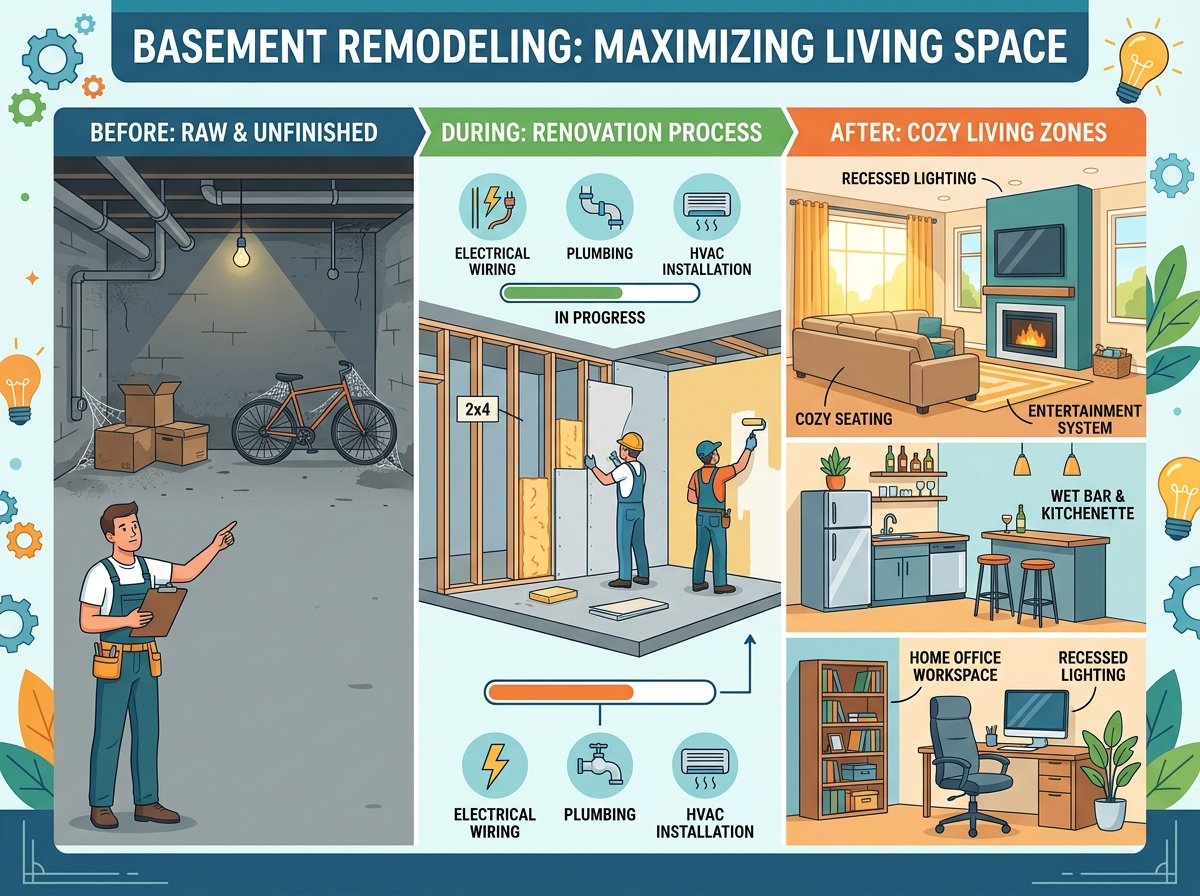
When homeowners start looking for ways to improve comfort, functionality, and home value, they often focus on kitchens, bathrooms, or outdoor areas first. Yet one of the most overlooked opportunities in any home is right below your feet. A basement has the potential to become far more than a storage zone or a forgotten lower level. With the right plan, basement remodeling for more living space can turn an underused area into one of the most practical and enjoyable parts of the home.
For growing families, remote workers, homeowners who entertain often, or anyone who wants to make better use of their property, a remodeled basement creates meaningful space without the cost and complexity of building an addition. It allows you to expand how your home works while keeping everything under the same roof. Whether the goal is a family room, guest suite, home office, gym, media room, or multi-purpose living area, basement remodeling opens the door to long-term value and everyday convenience.
Why Basement Remodeling Makes Sense
A basement remodel is one of the smartest ways to gain usable square footage. Instead of letting that area remain unfinished or cluttered, homeowners can convert it into a true extension of the main living space. This is especially valuable in homes where the upper floors already feel full or where life has changed over time.
Families may need a quieter place for children and teens. Professionals may need a dedicated work-from-home setup. Homeowners with frequent visitors may want a guest-friendly retreat. Others may simply want more room to relax, exercise, or enjoy hobbies. A well-remodeled basement answers those needs while helping the home feel larger, more organized, and more complete.
Another major advantage is cost efficiency. Compared with a full addition, remodeling a basement often uses the home’s existing structure, which can make it a more practical investment. The footprint is already there. The opportunity lies in transforming it with smart design, proper construction, and durable finishes.
The Real Value of More Living Space
Adding more living space does more than improve convenience. It changes how a home feels and functions on a daily basis. A basement that is bright, comfortable, and intentionally designed can relieve pressure from other areas of the home. It gives family members more room to spread out and creates flexibility that many households need.
In today’s homes, flexibility matters more than ever. One family may use the basement as a second living room. Another may combine a home office, playroom, and fitness zone into a single open-concept layout. Some homeowners create private guest accommodations with a bedroom and bathroom, while others focus on entertainment with a theater room, game area, or custom bar.
No matter the setup, the result is the same. A remodeled basement gives the home more usable purpose. That kind of adaptability increases day-to-day comfort and helps the property remain functional as needs evolve over time.
Common Uses for a Remodeled Basement
One of the strongest advantages of basement remodeling is versatility. The space can be shaped around the homeowner’s lifestyle, priorities, and long-term plans.
Family Room or Second Living Area
Many homeowners choose to create a cozy family room in the basement. This gives the household a second shared space for watching movies, relaxing, playing games, or spending time together without overcrowding the main living room upstairs. A lower-level family room is especially useful in busy homes where different age groups want separate areas to unwind.
Home Office
As remote and hybrid work continue to shape modern routines, a basement office has become increasingly attractive. A properly finished basement can provide the privacy and quiet needed for video calls, focused work, and a more professional setup. With thoughtful lighting, sound control, and built-in storage, it can become a highly productive part of the home.
Guest Suite
A guest suite is another excellent use for basement space. If the lower level includes or can accommodate a bathroom and sleeping area, it becomes far more welcoming for visitors. This setup can also provide privacy for extended family stays and make the home more accommodating overall.
Home Gym
A basement gym can eliminate the need for a separate membership and make daily exercise far more convenient. With proper flooring, mirrors, ventilation, and a layout designed around the equipment, a basement can become a comfortable personal fitness zone.
Entertainment Room
For homeowners who enjoy hosting, a basement can become an impressive entertainment destination. Media walls, surround sound, custom seating, wet bars, gaming setups, and open lounge areas are all popular features. A well-designed entertainment basement gives family and guests a place to gather that feels both practical and elevated.
Multi Purpose Living Space
In many cases, the best solution is not a single-use room but a flexible layout. A basement can be designed to include multiple zones, such as a lounge area, work nook, play section, and storage wall. This approach is ideal for families who want one space to serve several needs without feeling cluttered or disconnected.
Planning a Basement Remodel the Right Way
A successful basement remodel starts with planning. This is not a project where surface-level decisions alone will produce a good result. Because basements sit below the main living levels, they require careful attention to structure, moisture control, insulation, lighting, and airflow.
Before choosing finishes or furniture, homeowners should evaluate the basement’s condition and define the purpose of the remodel. Will it be used every day or only occasionally. Does it need a bathroom. Will it include sleeping space. Is storage still required. Should the layout remain open or be divided into separate rooms.
These decisions shape everything that follows. Flooring, wall treatments, electrical layouts, ceiling design, lighting placement, and ventilation all depend on how the basement will function. The more clearly the goals are defined at the start, the better the final result will be.
Moisture Control and Basement Performance
One of the most important parts of basement remodeling is making sure the space performs well over time. Since basements are more vulnerable to dampness than upper floors, moisture control should never be treated as a minor detail.
A premium basement remodel begins with identifying and addressing any water intrusion, humidity issues, cracks, or drainage concerns. Finishing a basement without solving those problems first can lead to mold, damaged materials, poor air quality, and costly repairs later.
Once the basement is dry and stable, the construction approach should support long-term durability. That includes proper insulation, reliable ventilation, moisture-resistant materials, and smart finish selections. Homeowners often focus on visible design, but the hidden work behind the walls matters just as much in a basement as the flooring or paint color.
Design Strategies That Make a Basement Feel Bigger
A common challenge with basements is that they can feel darker or more enclosed than the rest of the home. The right design choices can completely change that perception.
Light color palettes often help the space feel more open and inviting. Recessed lighting is popular because it adds brightness without lowering ceiling height visually. Layered lighting can also improve atmosphere by combining ambient, task, and accent lighting throughout the room.
Flooring plays a big role as well. Durable flooring with a clean, cohesive appearance can make the basement feel like a true living space rather than a secondary area. Consistent materials and thoughtful furniture placement help create flow, especially in open layouts.
Ceiling design is another major factor. Even when mechanical systems need to remain accessible, a finished ceiling can be designed to feel polished and balanced. The goal is to make the basement feel integrated with the rest of the home instead of like an afterthought.
Storage Still Matters
A basement often carries part of the home’s storage burden, so remodeling it does not mean storage should disappear completely. In fact, one of the smartest design decisions is to build storage into the plan from the start.
Custom cabinets, closed storage walls, utility closets, under-stair storage, and multi-functional furniture can preserve practicality without compromising style. A basement that looks beautiful but lacks organization can quickly lose its value in everyday use. Good storage keeps the space tidy, flexible, and easier to maintain.
Basement Remodeling and Home Value
Homeowners often ask whether basement remodeling is worth the investment. In many cases, the answer is yes, especially when the remodel is done professionally and designed around real living needs.
A finished basement can make a home more attractive to future buyers because it increases usable square footage and expands the range of possible uses. Buyers appreciate spaces that feel move-in ready and adaptable. A basement that functions as a family room, office, guest area, or entertainment zone adds appeal because it helps the home meet modern lifestyle demands.
Even when resale is not the immediate goal, the value of a finished basement is easy to feel. Better daily use, greater household flexibility, and a stronger sense of space all contribute to the return on investment. Some upgrades pay off only when it is time to sell. Basement remodeling often pays off while you are still living in the home.
Mistakes to Avoid in Basement Remodeling
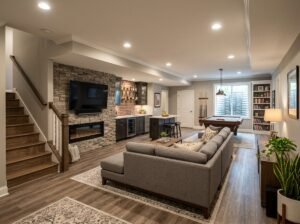
One of the most common mistakes is treating the basement as a lower-priority space. When homeowners cut corners on materials, lighting, moisture protection, or design consistency, the basement tends to feel disconnected from the rest of the house.
Another mistake is underestimating the need for a clear layout. Even a large basement can feel awkward if zones are poorly defined or if furniture placement is not considered early in the design process. The best remodeled basements feel intentional, not random.
Poor lighting is another issue. A basement needs more than a few ceiling fixtures. It needs a lighting strategy that supports the purpose of the room and makes it feel warm and welcoming.
Finally, many homeowners forget to plan for future flexibility. A basement that only serves one narrow purpose may feel limiting later. Smart remodeling leaves room for change so the space can continue to work as family routines and priorities evolve.
Why Professional Remodeling Makes a Difference
A basement remodel brings together design, construction, utility coordination, and long-term performance requirements. That is why the quality of the remodeling team matters so much.
An experienced team understands how to turn a below-grade area into comfortable living space that feels finished, polished, and durable. They can help homeowners balance layout, materials, lighting, storage, and budget while making sure the basement works as well as it looks.
Professional remodeling also reduces the risk of expensive oversights. Structural concerns, code-related issues, insulation details, and moisture management all need proper attention. A strong remodeling process protects the investment and helps ensure the finished space performs well for years to come.
Final Thoughts
A basement should not be wasted space. With the right design and construction approach, it can become one of the most useful and valuable areas in the home. Basement remodeling for more living space gives homeowners the chance to expand comfort, improve functionality, and make the entire property work harder for everyday life.
Whether you want a family lounge, guest suite, office, gym, entertainment room, or a flexible combination of several uses, a well-finished basement creates room to grow without leaving the home you already love. It is a practical investment, a lifestyle upgrade, and a smart way to unlock the full potential of your property.