
Decking
- Home
- Our Services
- Decking
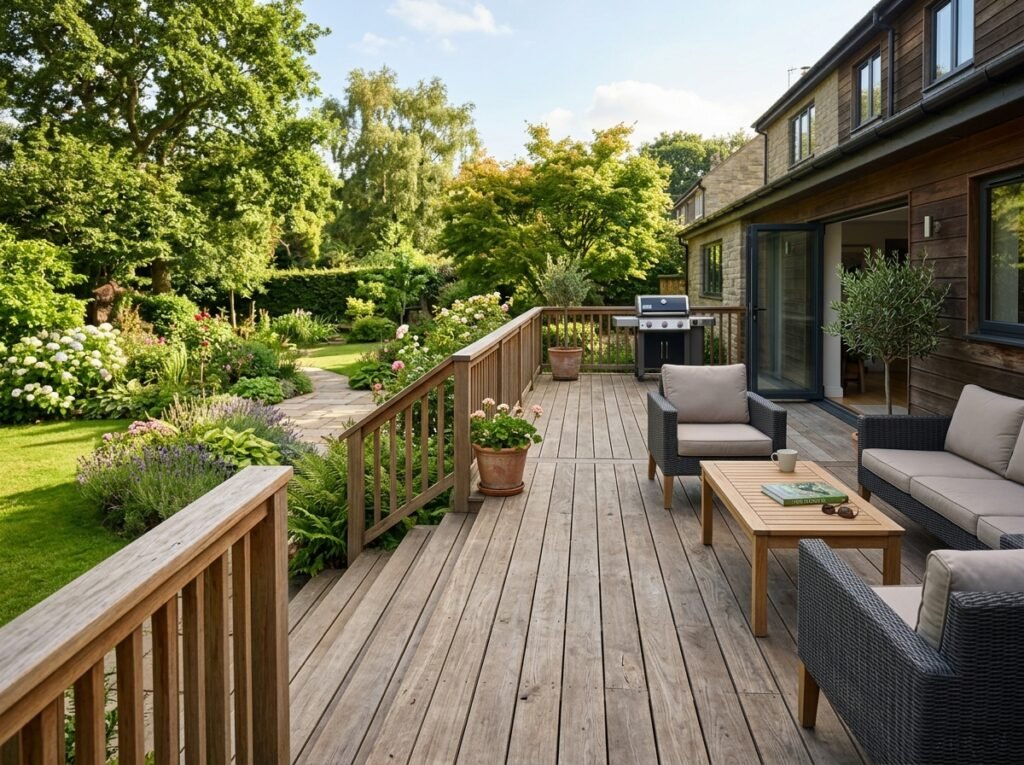
Build the Perfect Deck – Strong, Stylish, Made to Last
Upgrade your outdoor living space with expert decking solutions. Get your free estimate today and enjoy comfort, durability, and timeless design.
Decking: A Complete Guide to Building Durable and Functional Outdoor Spaces
Decking is one of the most impactful upgrades for any property. It extends living space, increases usability of outdoor areas, and significantly enhances property value. More importantly, a well-designed deck is not just a platform—it is a structural system that must withstand weather, load, and long-term use.
This guide covers everything from material selection to construction logic and long-term maintenance.
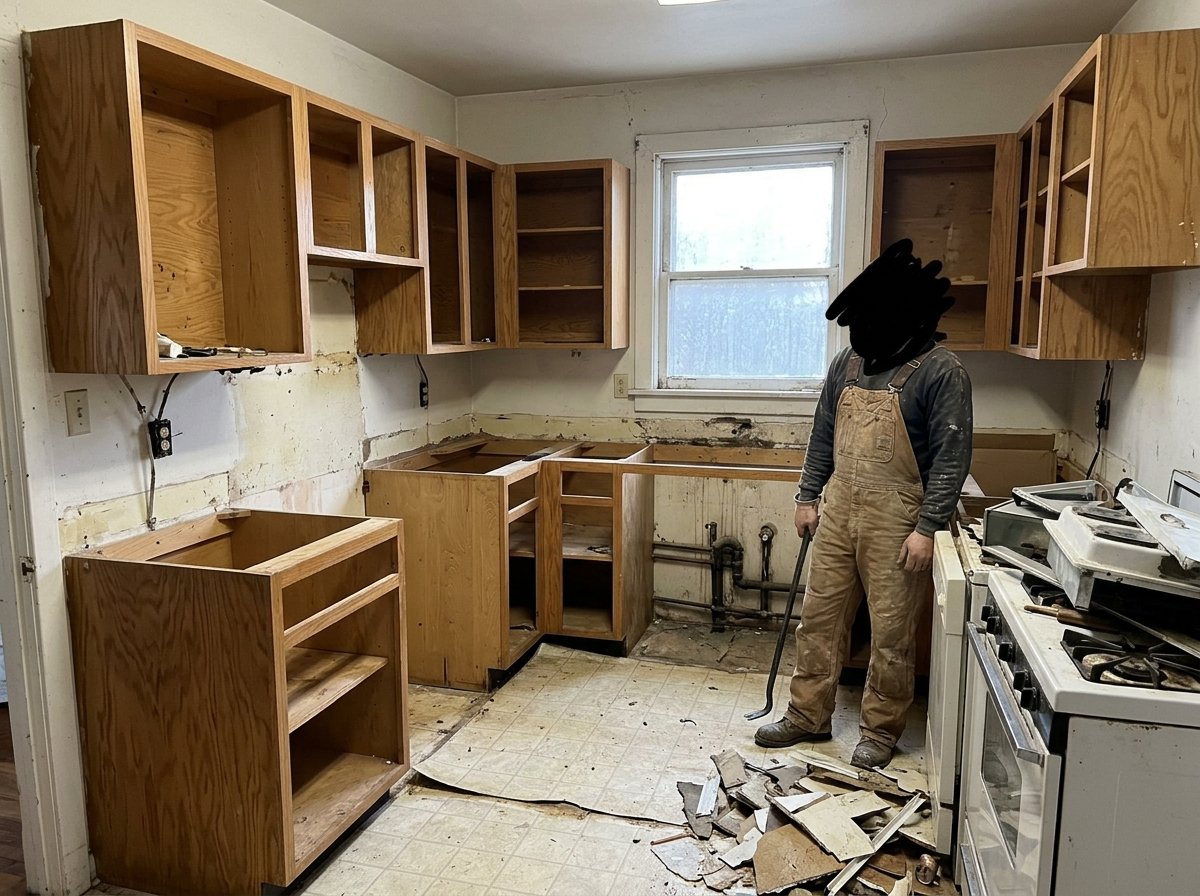
Why Decking Matters
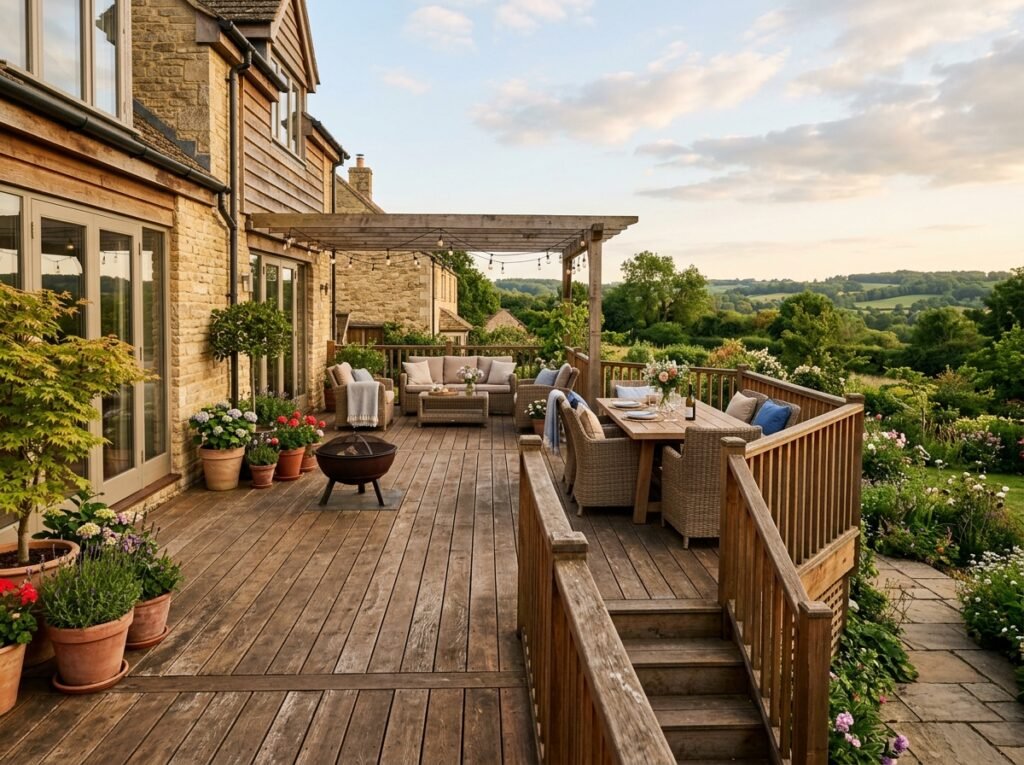
Outdoor spaces are no longer secondary areas—they are extensions of the home. A properly built deck creates a controlled, functional environment for relaxation, entertainment, and daily use.
Key advantages:
- Expanded living space: Seamless indoor-outdoor transition
- Increased property value: High ROI improvement
- Functional versatility: Dining, lounging, social areas
- Aesthetic enhancement: Defines exterior character
A poorly planned deck, however, can lead to safety risks and rapid deterioration.
Types of Decking Materials
Material selection is the most critical decision in decking. It determines durability, maintenance, and long-term cost.
Composite Decking (Modern Solution)
Characteristics:
- Made from wood fibers + recycled plastics
- Low maintenance (no staining or sealing)
- Resistant to rot, fading, and insects
Considerations:
- Higher initial cost
- Limited natural feel compared to real wood
Composite decking balances durability with modern convenience.
Wood Decking (Traditional Choice)
Characteristics:
- Natural, warm appearance
- Lower upfront cost
- Easy to customize and repair
Common Types:
- Pressure-treated lumber
- Cedar
- Redwood
Considerations:
- Requires regular sealing and staining
- Susceptible to moisture, insects, and warping
Wood decking reflects traditional craftsmanship but demands ongoing maintenance.
PVC Decking (High-Performance Option)
Characteristics:
- Fully synthetic and waterproof
- Extremely resistant to weather and stains
- Lightweight and long-lasting
Considerations:
- Premium pricing
- Less natural texture
PVC decking is engineered for maximum durability in harsh environments.
Structural Design and Planning
A deck is a load-bearing structure, not just a surface. Engineering logic must guide the design.
Key Structural Elements
- Footings: Foundation that supports the deck
- Posts and beams: Carry structural load
- Joists: Provide framework for deck boards
- Deck boards: Final walking surface
Improper structural planning can lead to instability and safety hazards.
Layout and Functional Design
A well-designed deck aligns with lifestyle needs.
Design Considerations
- Size and proportion: Match house scale
- Traffic flow: Easy movement between zones
- Zoning: Dining, seating, cooking areas
- Integration: Connection with doors and landscape
Multi-level decks can create depth and functional separation.
Weather Resistance and Durability
Decks operate in outdoor conditions year-round.
Key Protection Factors
- Moisture resistance
- UV protection
- Temperature fluctuation tolerance
Material choice must align with local climate conditions to ensure longevity.
Installation Process
A typical decking project follows these steps:
- Site preparation and measurement
- Foundation and footing installation
- Framing (posts, beams, joists)
- Deck board installation
- Railing and finishing details
Precision during installation directly impacts lifespan.