Unlock Your Basement’s Potential – Build Smart, Live Better

Turn your unused basement into a functional, high-value living space. Get a free consultation today and start your transformation with expert remodeling.

Basement Remodeling: Turning Underused Space into High-Value Living Areas

Basement remodeling is one of the most efficient ways to expand your home without new construction. Instead of building outward or upward, you optimize existing square footage—often at a lower cost per meter while significantly increasing usability and property value.

A properly finished basement is not just an upgrade; it is a structural and environmental transformation that must be engineered correctly from the ground up.

Why Basement Remodeling Is a Strategic Investment

A basement is typically the most underutilized area in a home. With the right approach, it becomes a fully integrated living zone.

Key benefits:

  • Additional living space: Family room, office, gym, or guest suite
  • Increased property value: Strong ROI in most residential markets
  • Flexible usage: Multi-purpose design adaptability
  • Energy efficiency: Improved insulation reduces overall energy loss

A finished basement strengthens both lifestyle and long-term asset value.


Planning: The Foundation of a Successful Remodel

Basements require more technical planning than standard interior renovations.

Define the Purpose Clearly

Start with function-driven planning:

  • Entertainment area or media room
  • Home office or study
  • Guest bedroom or rental unit
  • Fitness or hobby space

Each scenario changes infrastructure requirements—especially electrical, plumbing, and layout.

Budget Structuring

Insulation and Thermal Comfort

Basements are colder due to below-grade positioning.

Recommended Insulation Methods

  • Rigid foam boards: Ideal for foundation walls
  • Spray foam: Seals air leaks effectively
  • Insulated subfloor systems: Improves comfort underfoot

Proper insulation ensures year-round usability and energy efficiency.


Lighting Design: Solving the Natural Light Limitation

Basements often lack sufficient natural light, requiring a well-planned artificial lighting system.
Layered Lighting Approach
  • Ambient lighting: Recessed ceiling lights
  • Task lighting: Workspaces, kitchenettes
  • Accent lighting: Wall sconces, LED strips

Balanced lighting eliminates the “closed-in” feeling.

A realistic budget must include hidden structural and environmental costs:

  • Framing and insulation systems
  • Electrical rewiring and lighting
  • Plumbing (if bathroom or kitchen is included)
  • Moisture control and waterproofing

Set aside 10–20% contingency—basements often reveal unexpected conditions.


Moisture Control: The Non-Negotiable Priority

Basements are naturally exposed to ground moisture. Ignoring this leads to mold, odor, and structural damage.

Core Waterproofing Strategies

  • Exterior drainage improvements
  • Interior sealants and waterproof coatings
  • Vapor barriers on walls and floors
  • Sump pump systems where necessary

Moisture management must be completed before any finishing work begins.

Cost vs Long-Term Value

Basement remodeling offers strong financial and functional returns:

  • Increased usable square footage
  • Rental income potential
  • Improved home efficiency
  • Higher resale value

It is one of the most cost-effective ways to expand a home.

Timeline and Execution Flow

Typical project stages:

  1. Inspection and design
  2. Waterproofing and structural prep
  3. Framing and insulation
  4. Electrical and plumbing installation
  5. Surface finishing (walls, floors, ceiling)
  6. Final detailing

Estimated timeline: 4–10 weeks, depending on complexity.

Flooring Options for Basements

Basement flooring must handle humidity and temperature variation.

Best Choices

  • Luxury Vinyl Plank (LVP): Waterproof, durable, and low maintenance
  • Epoxy flooring: Seamless, moisture-resistant surface
  • Engineered wood: More stable than solid hardwood
  • Carpet tiles: Comfortable and modular

Avoid solid hardwood due to moisture sensitivity.


Walls and Ceiling Systems

Wall Construction

  • Framed walls with drywall
  • Moisture-resistant panels (green board)
  • Modular wall systems for easier maintenance

Ceiling Options

  • Drywall ceiling: Clean and modern appearance
  • Drop ceiling: Easy access to utilities

The decision depends on accessibility vs aesthetics.

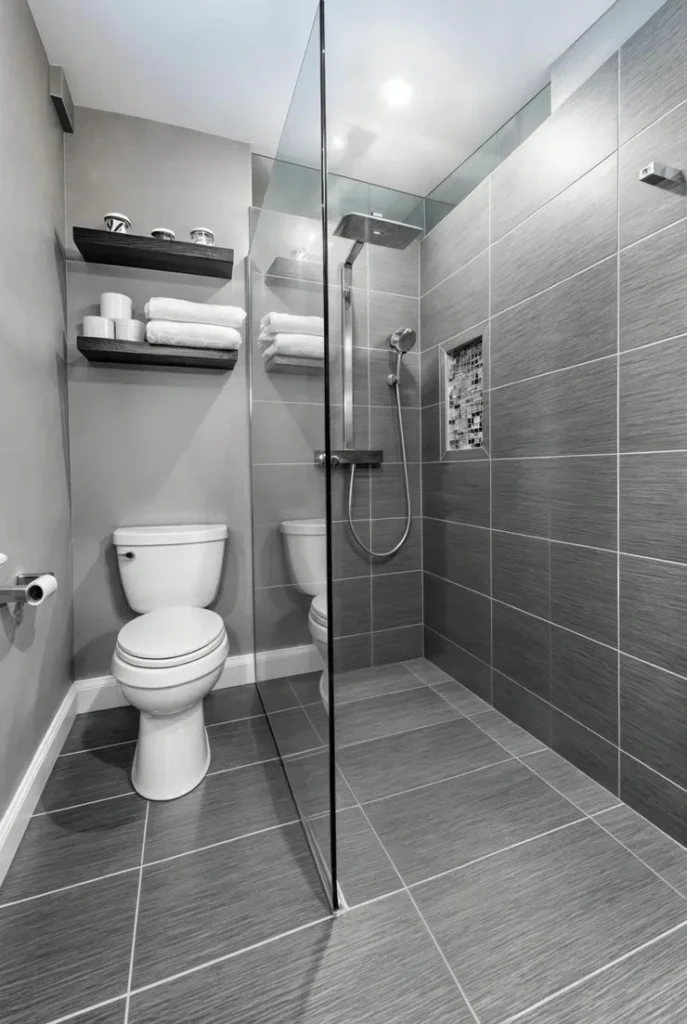
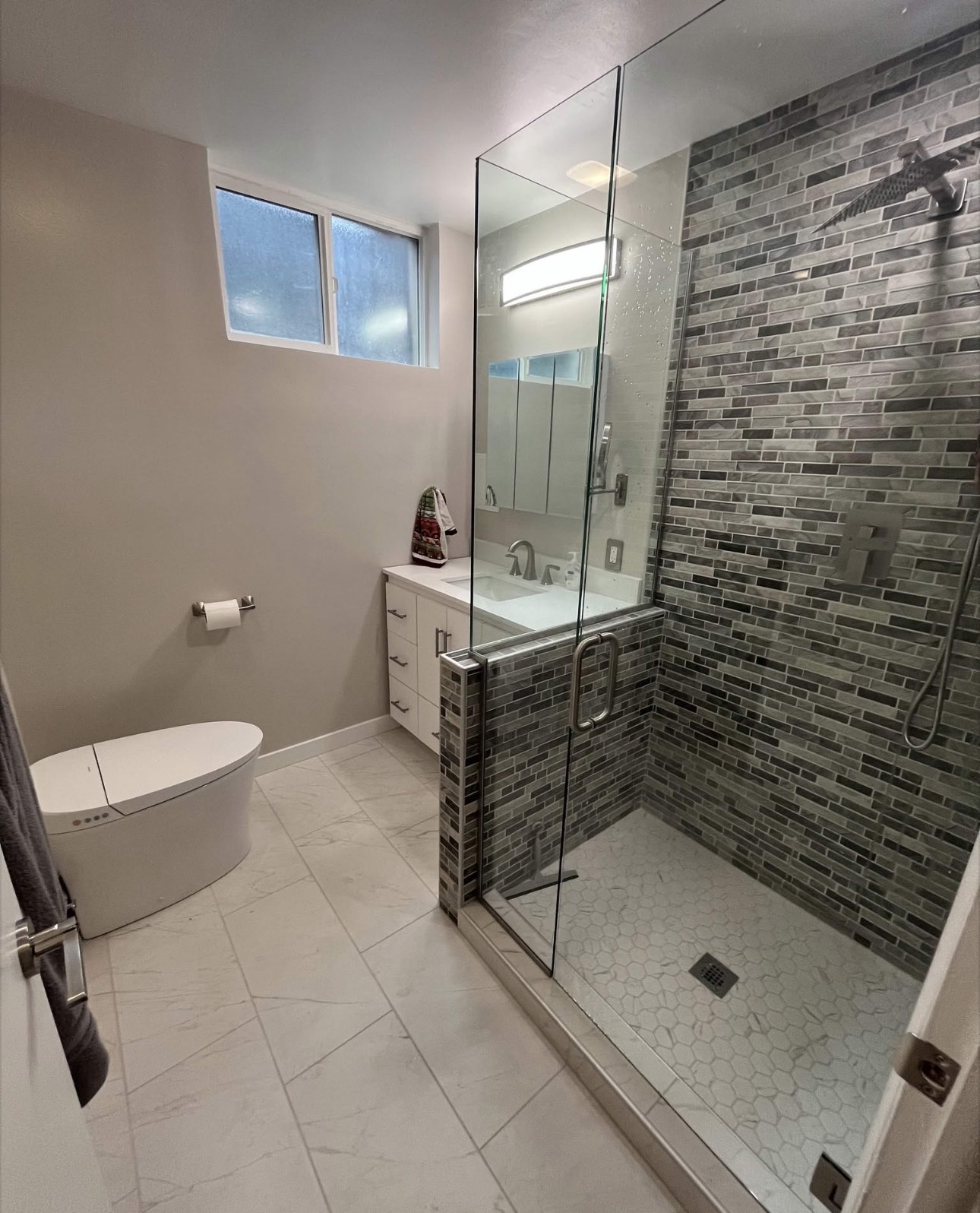
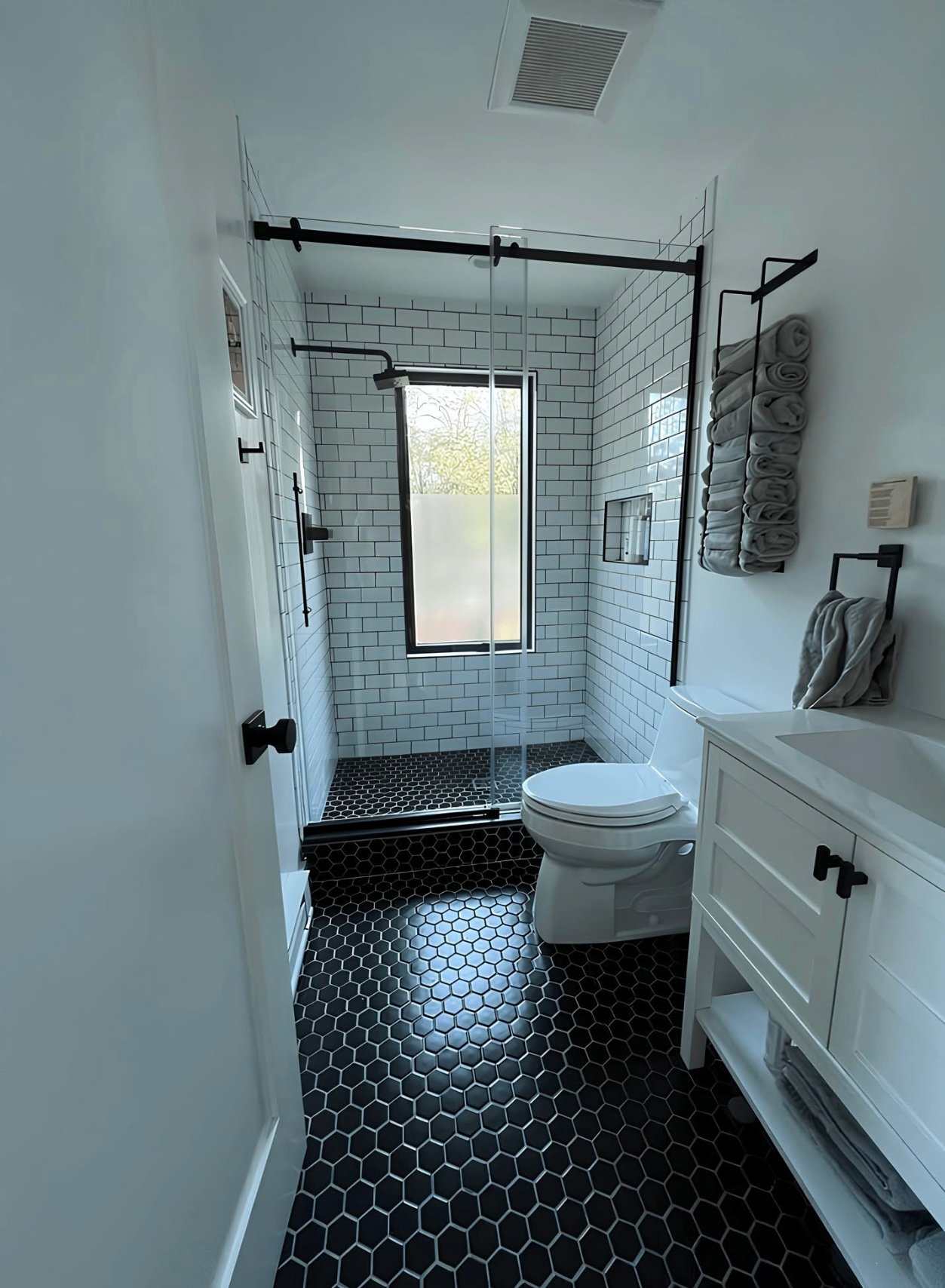
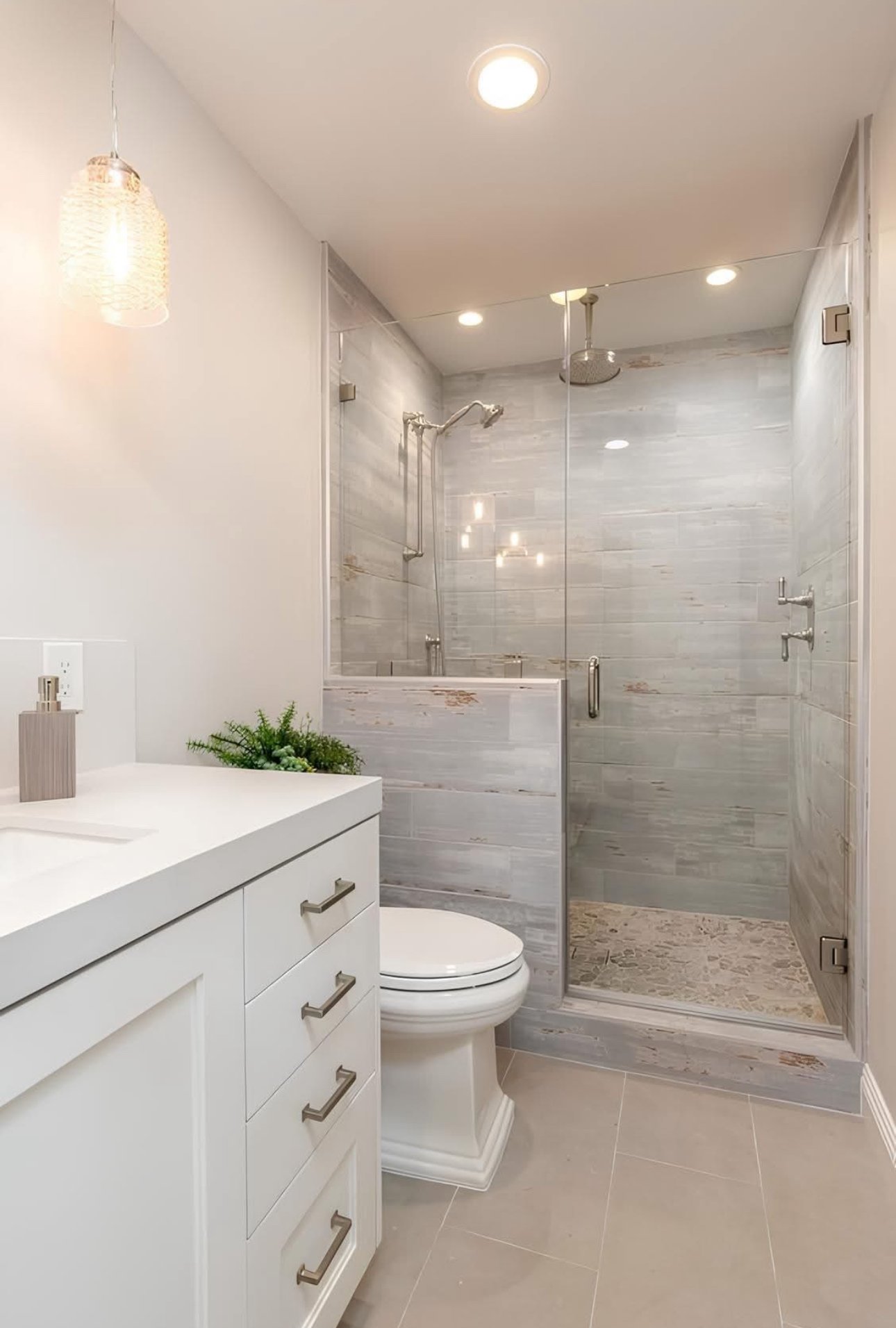
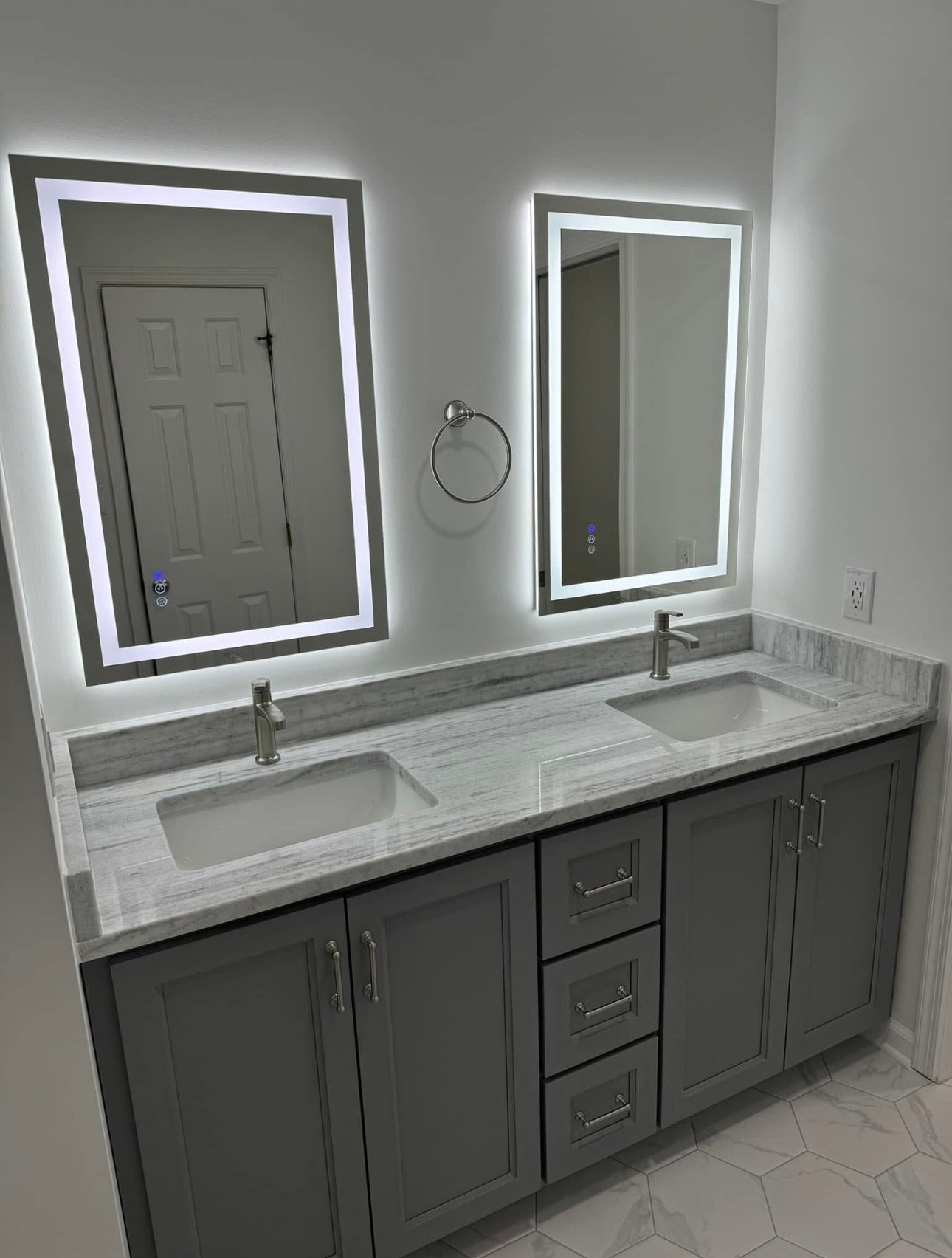
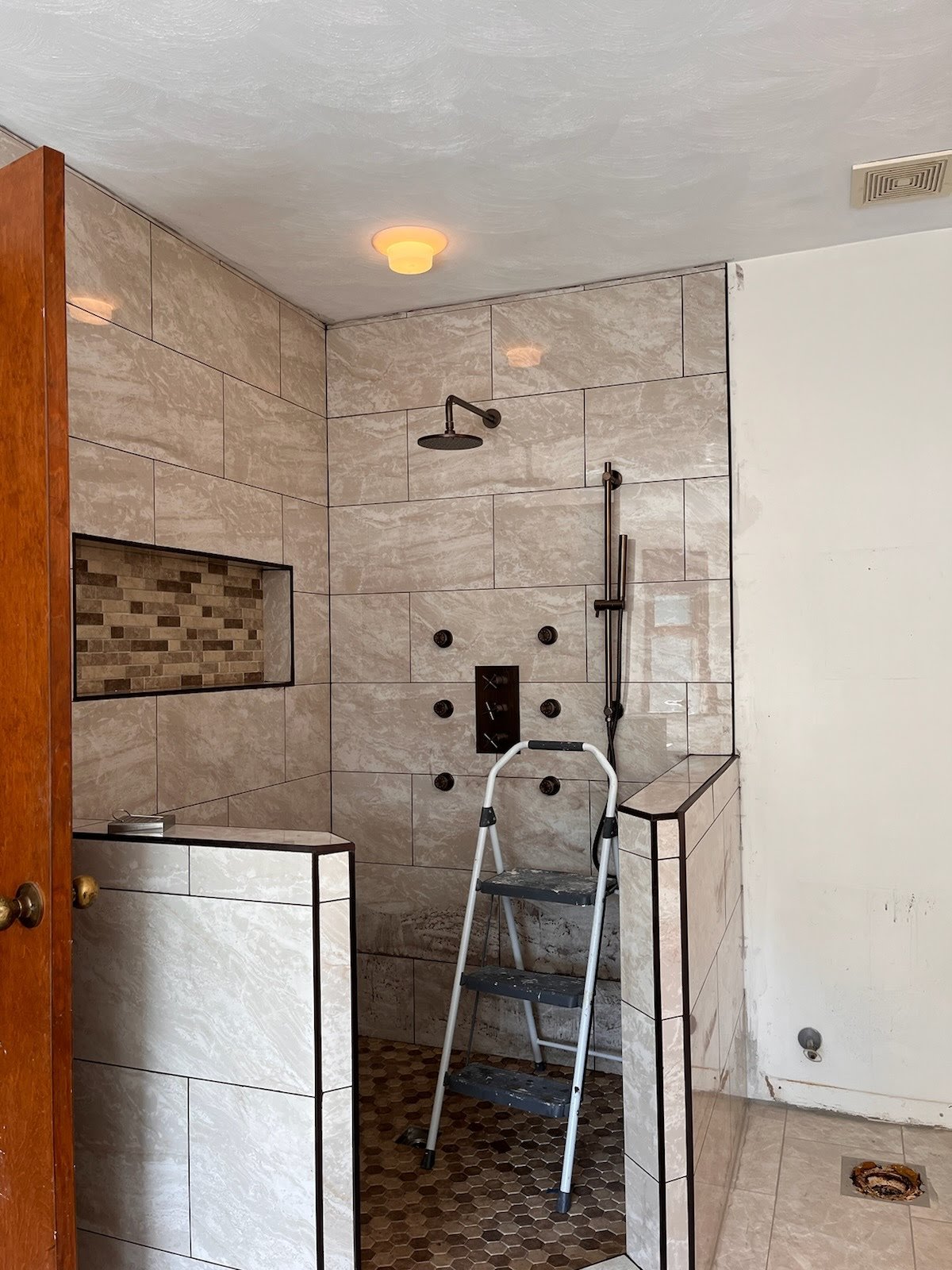
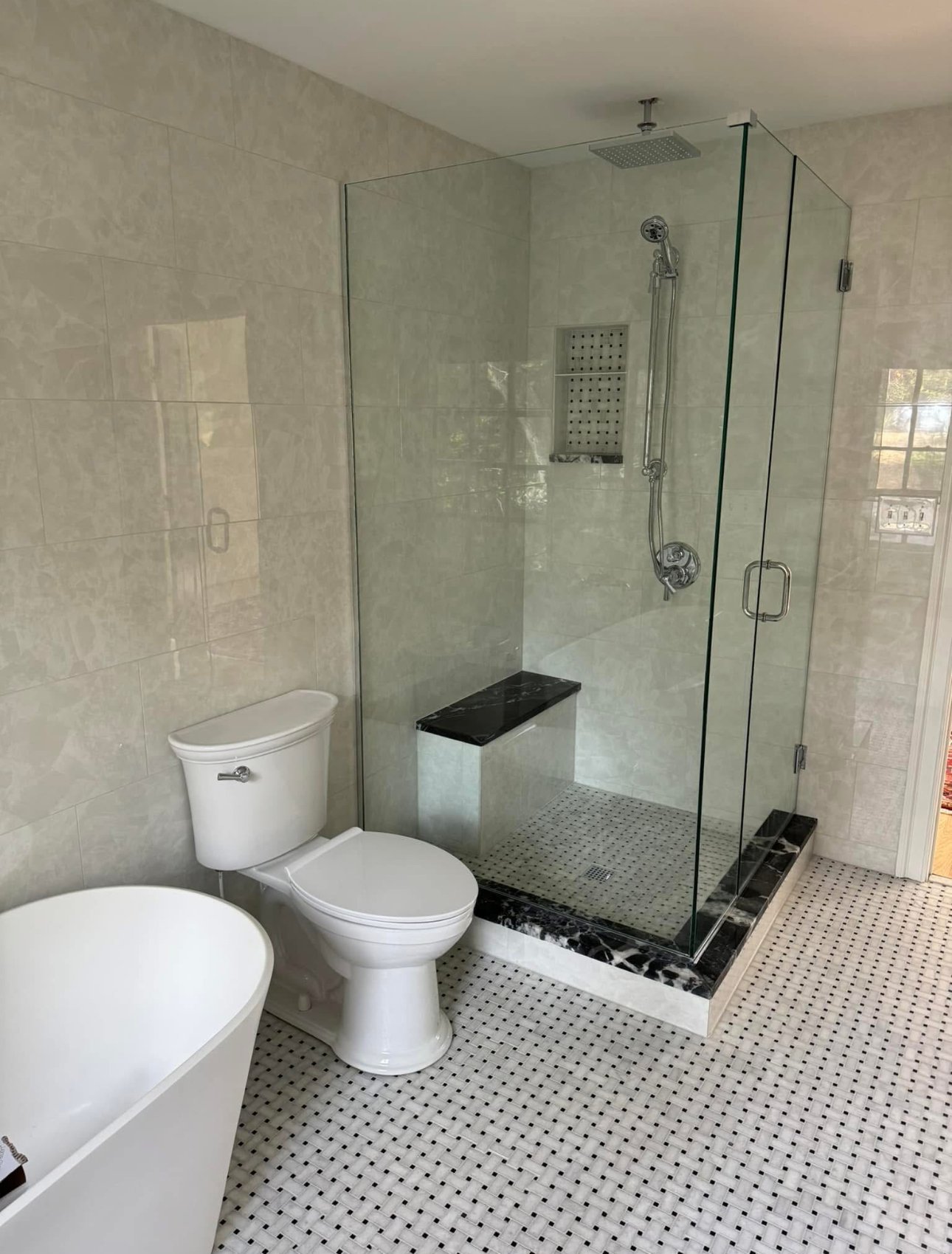
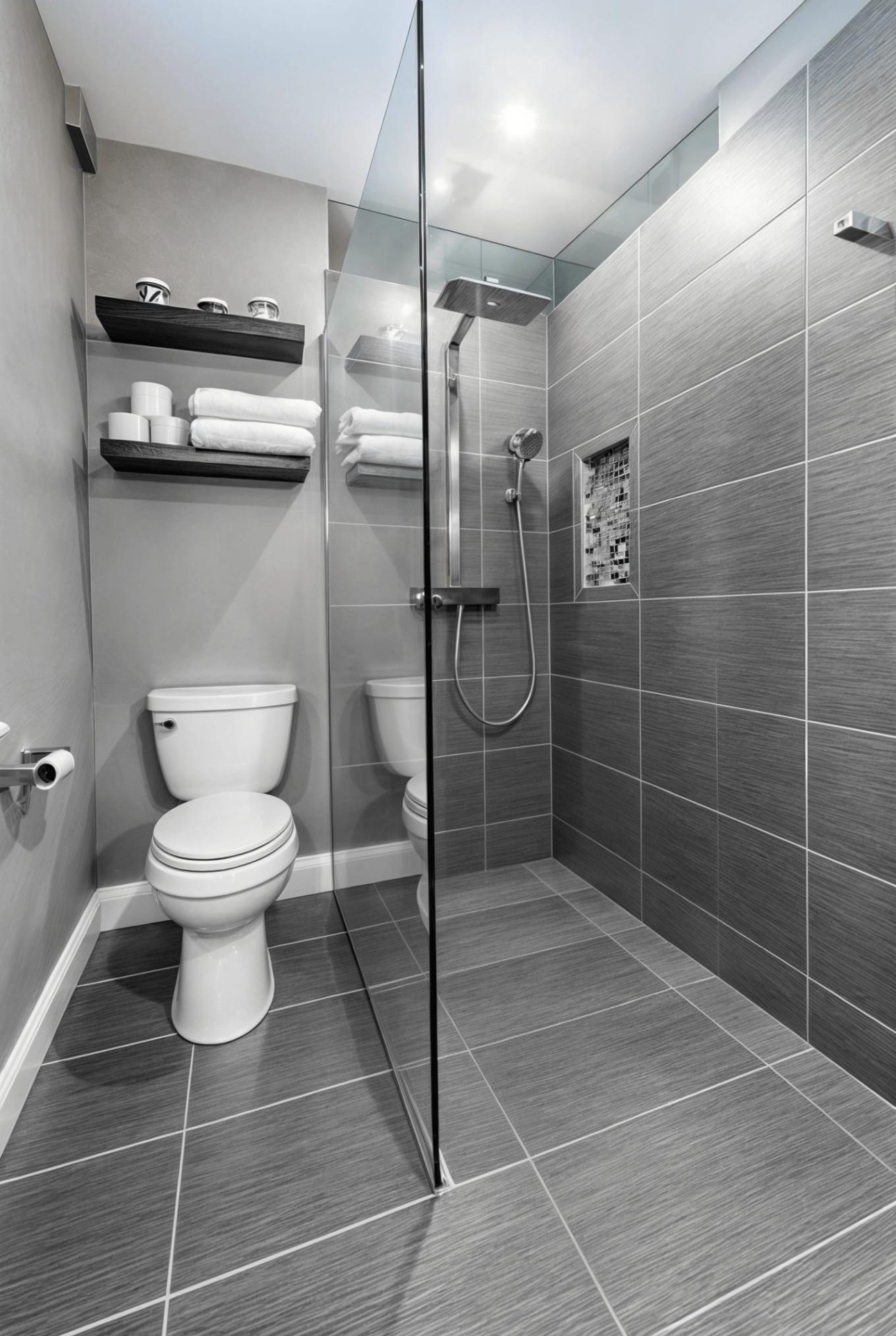
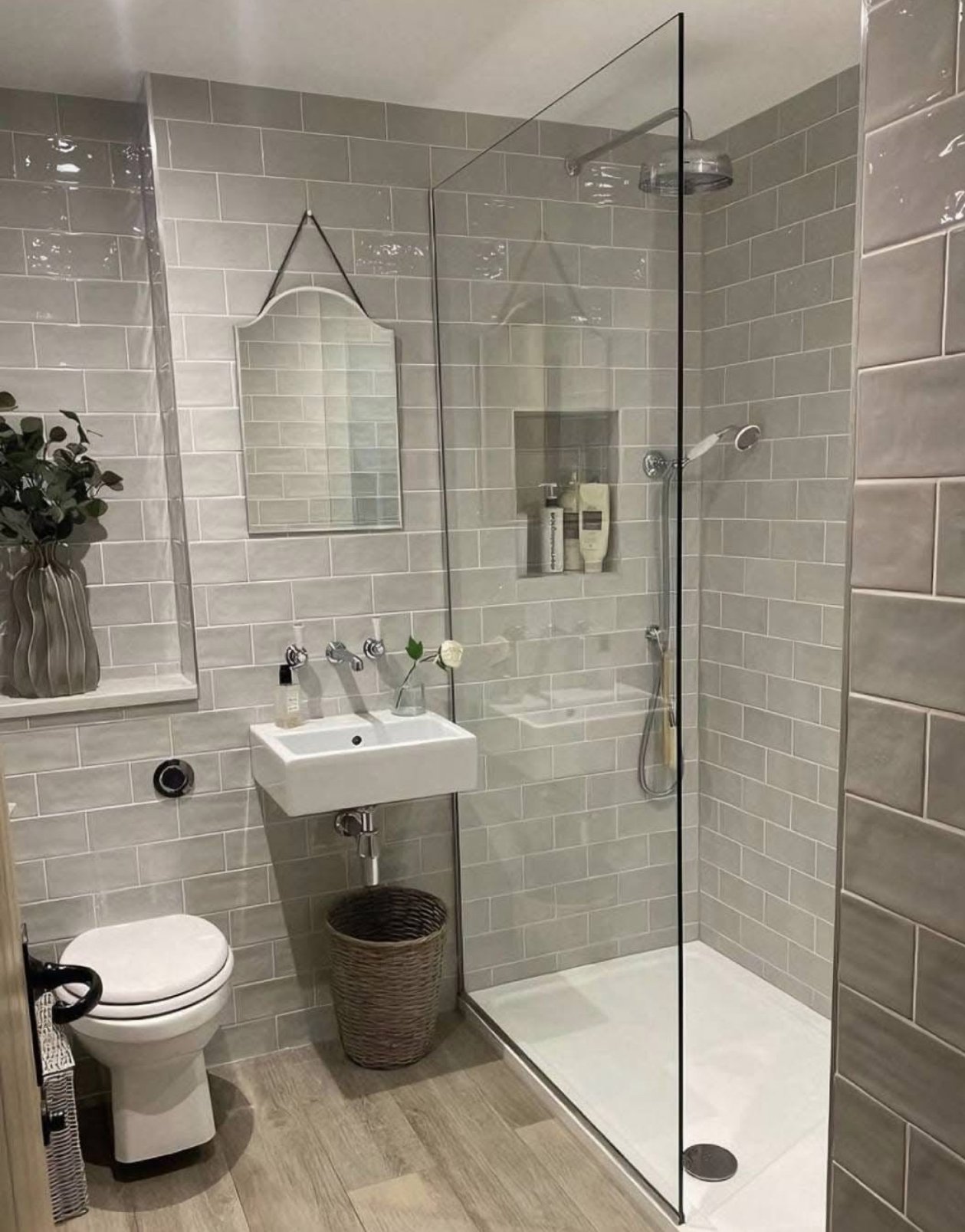
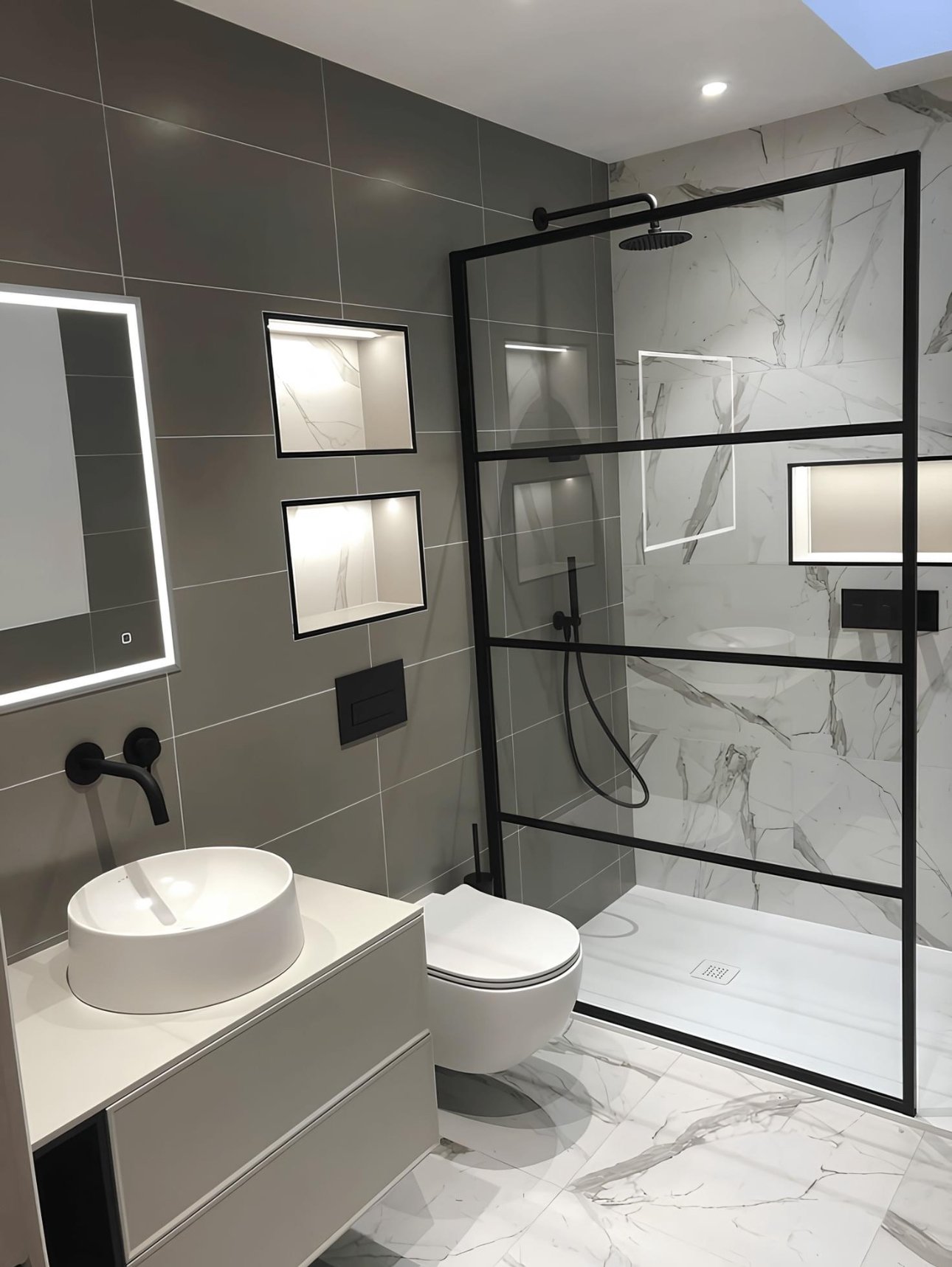
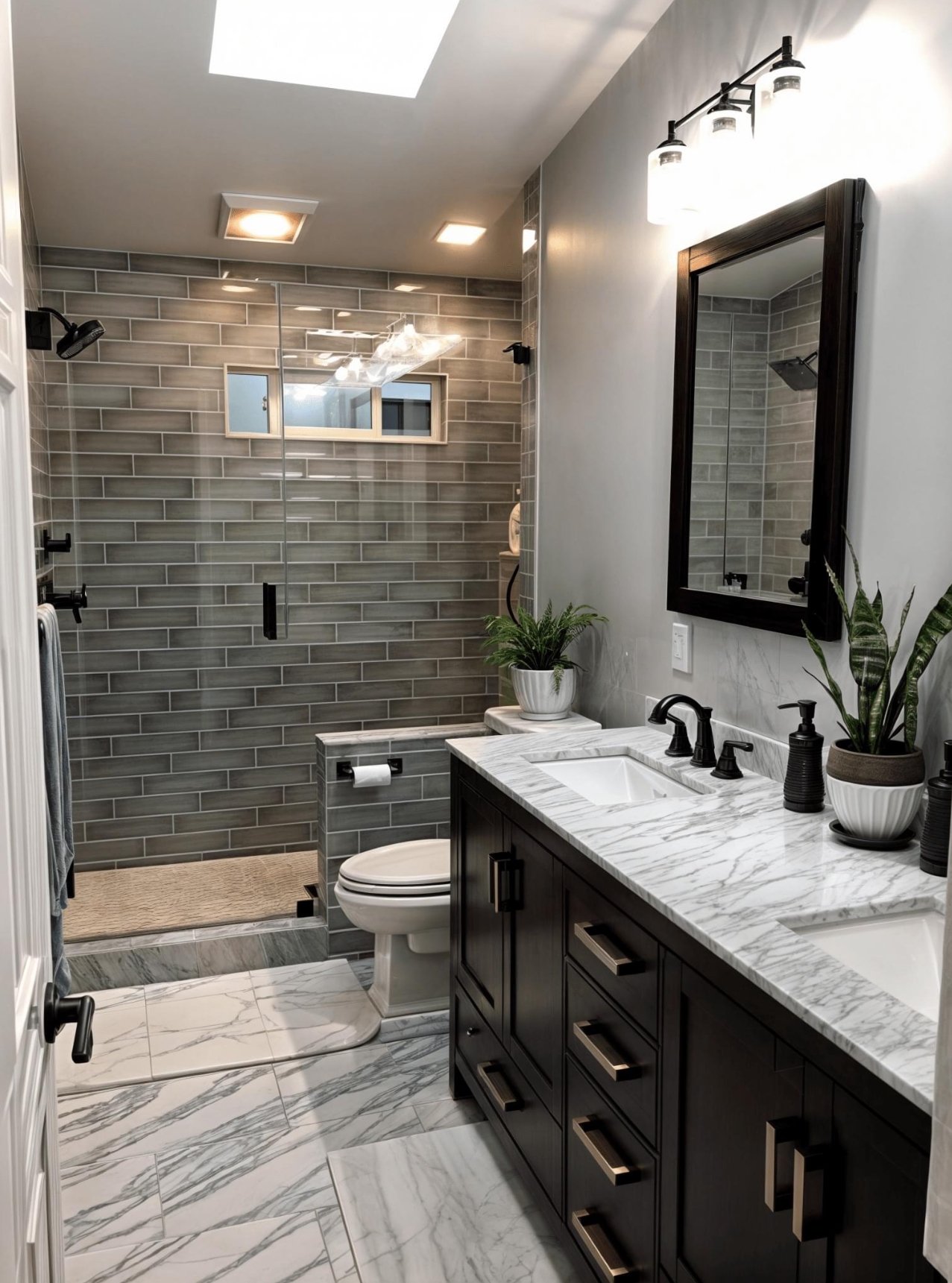
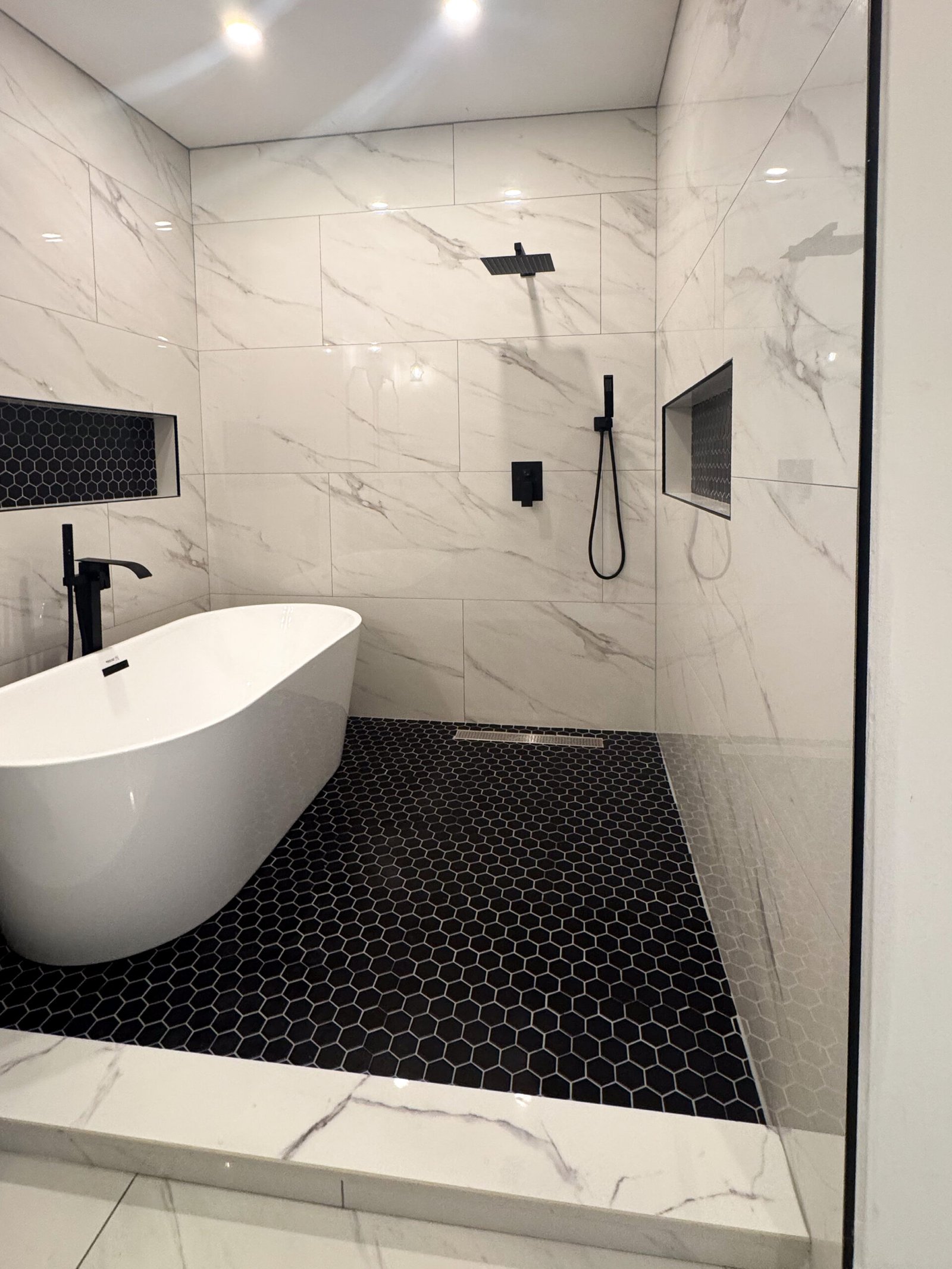
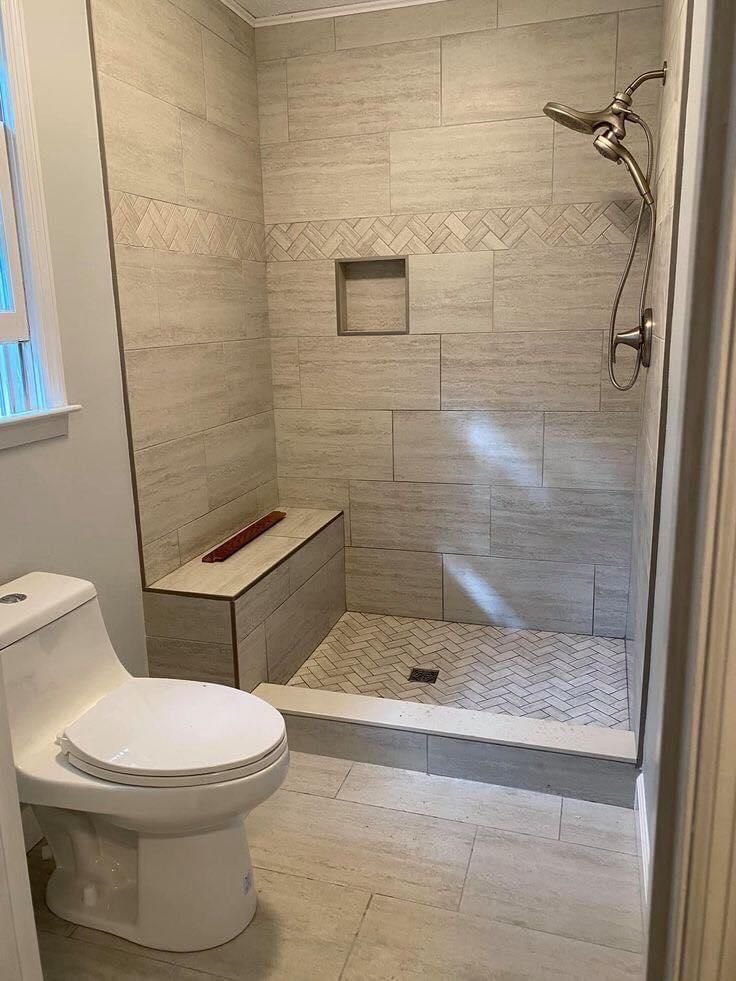
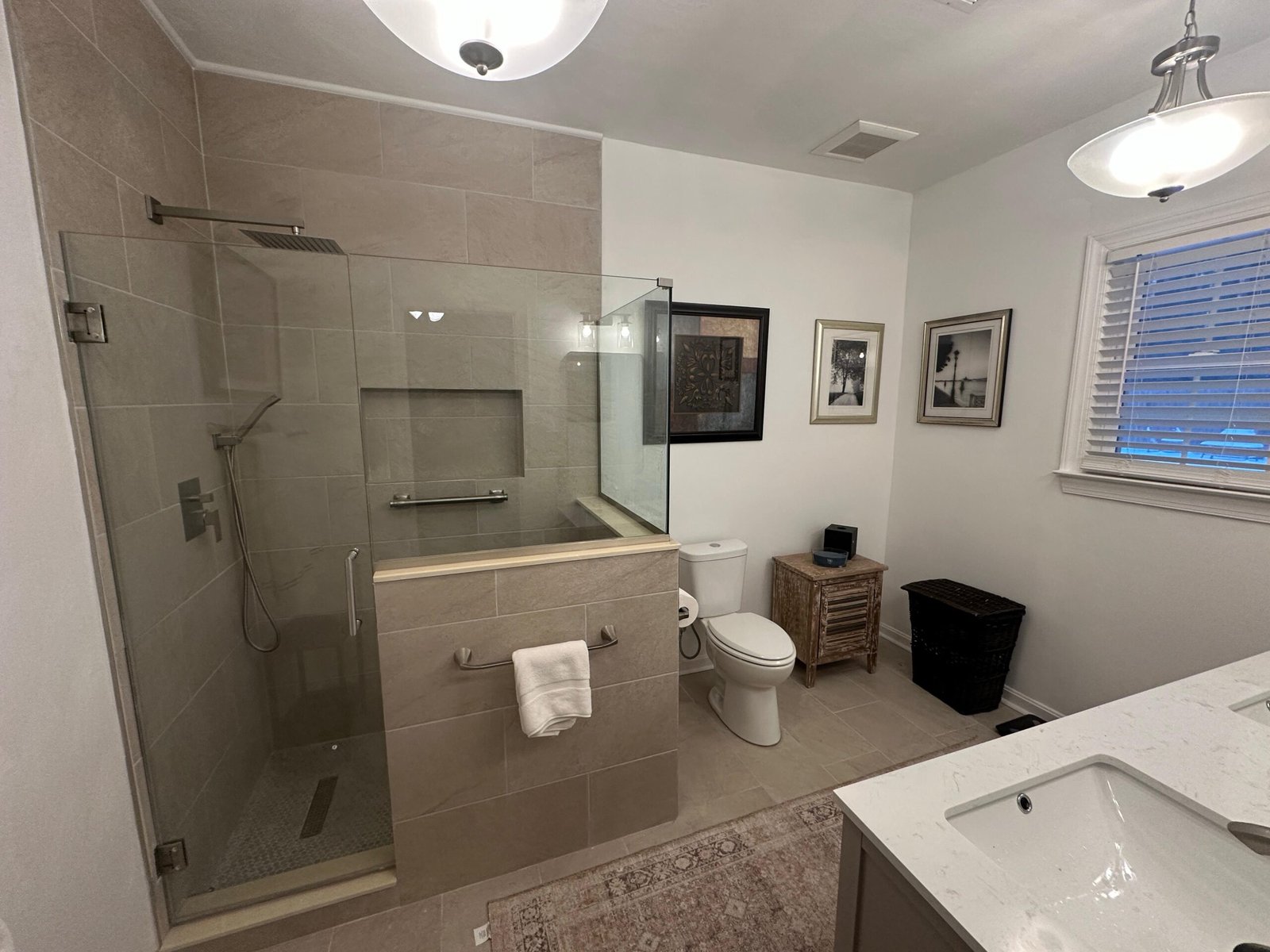
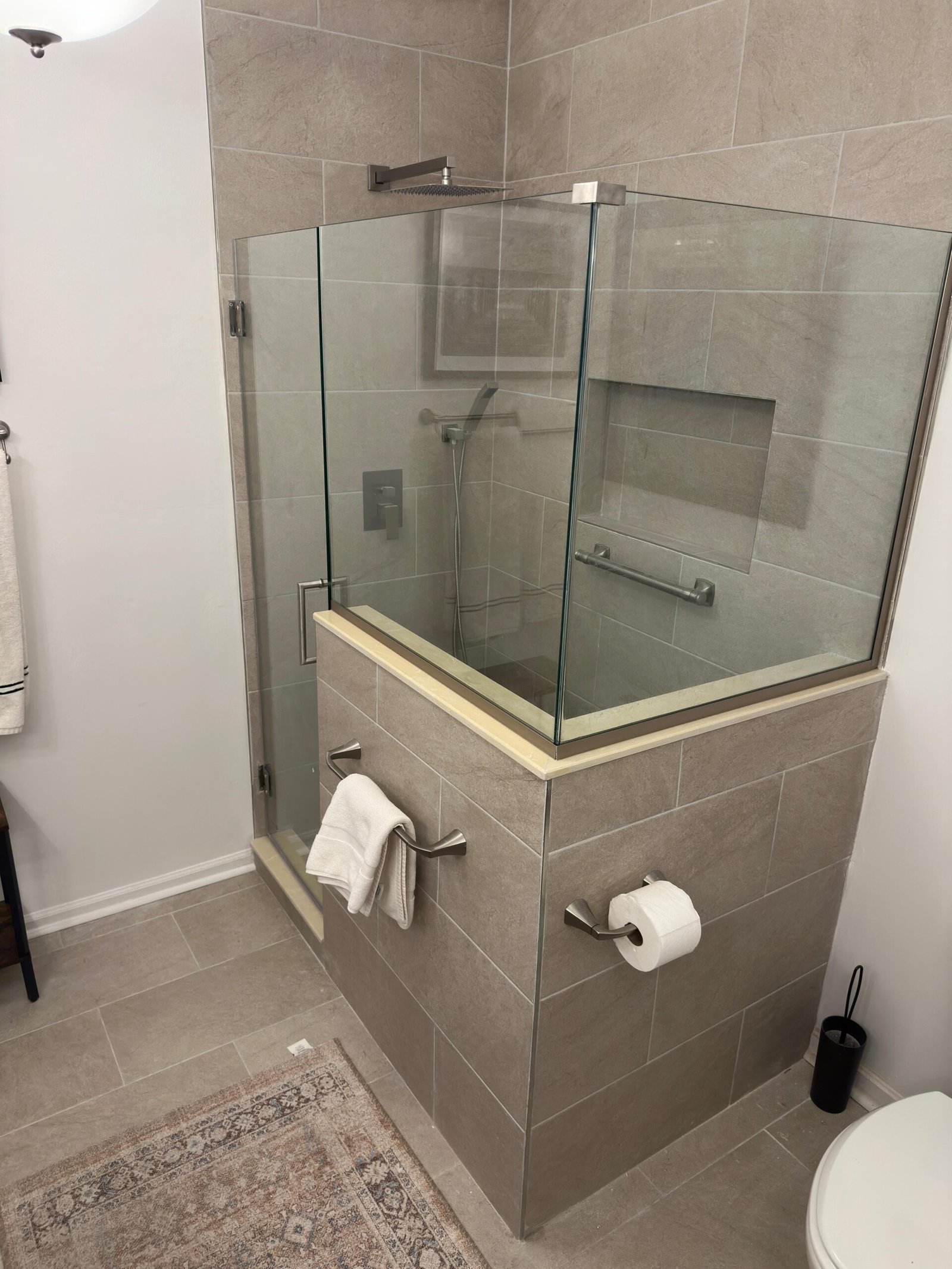
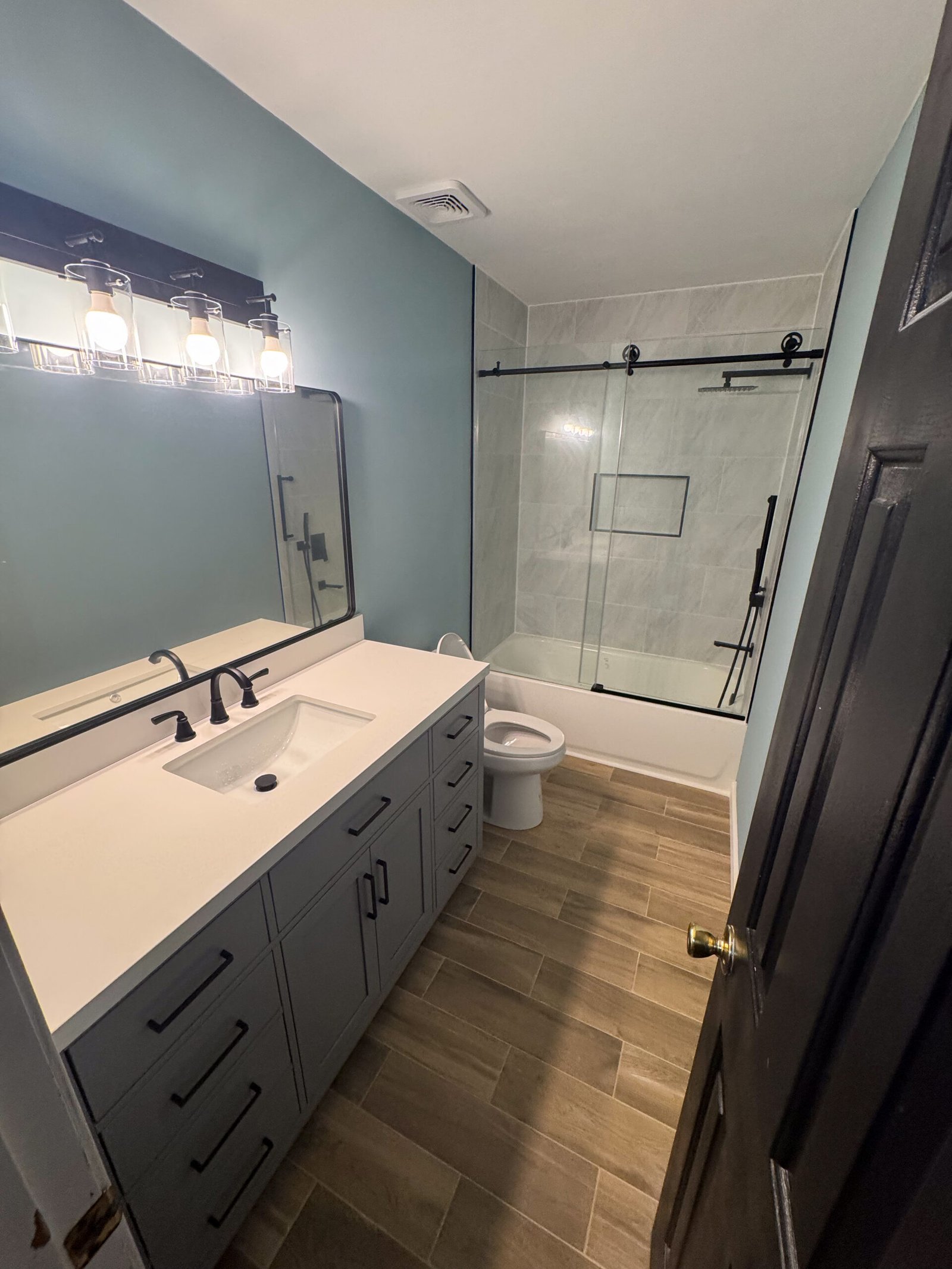
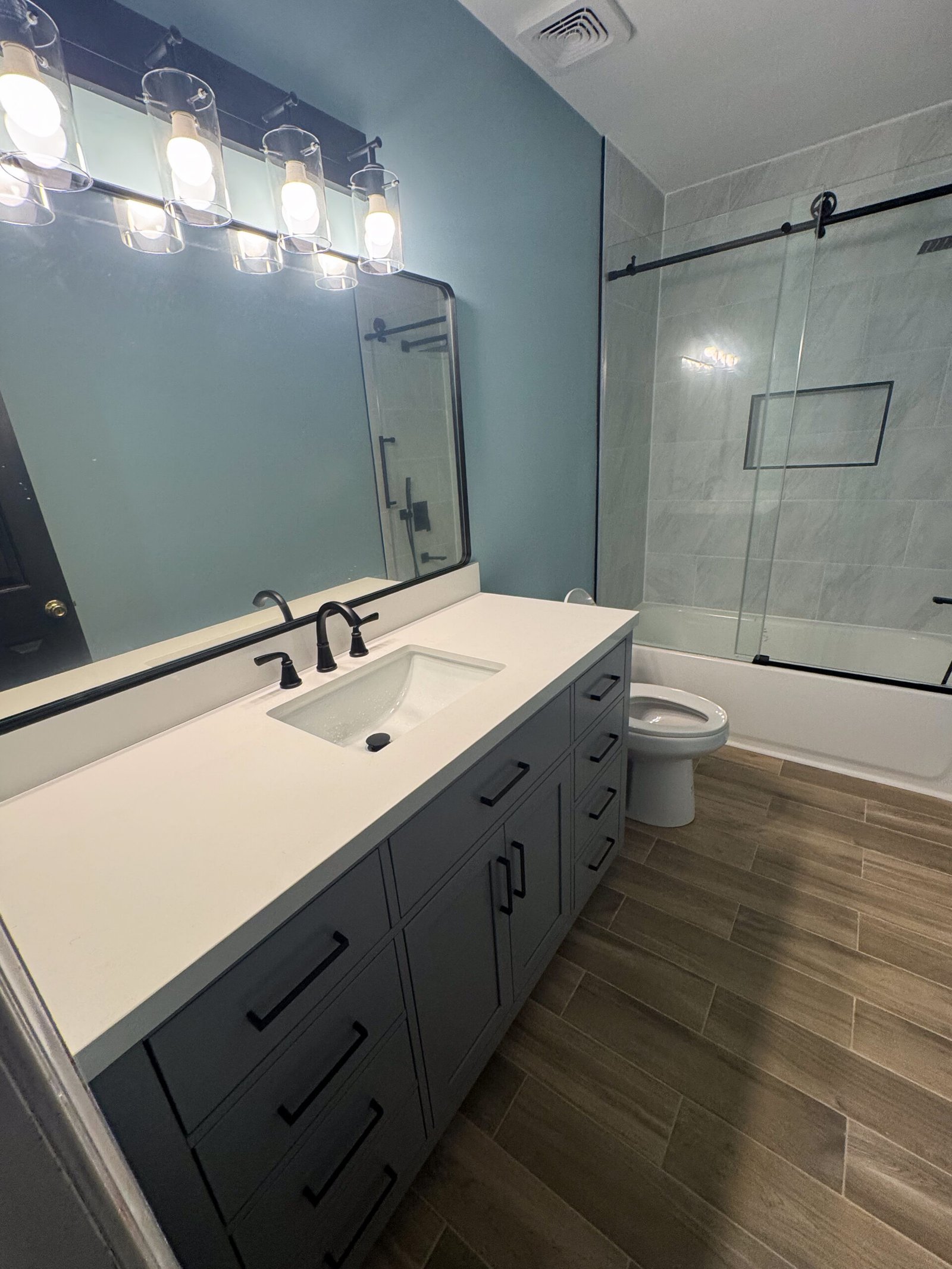
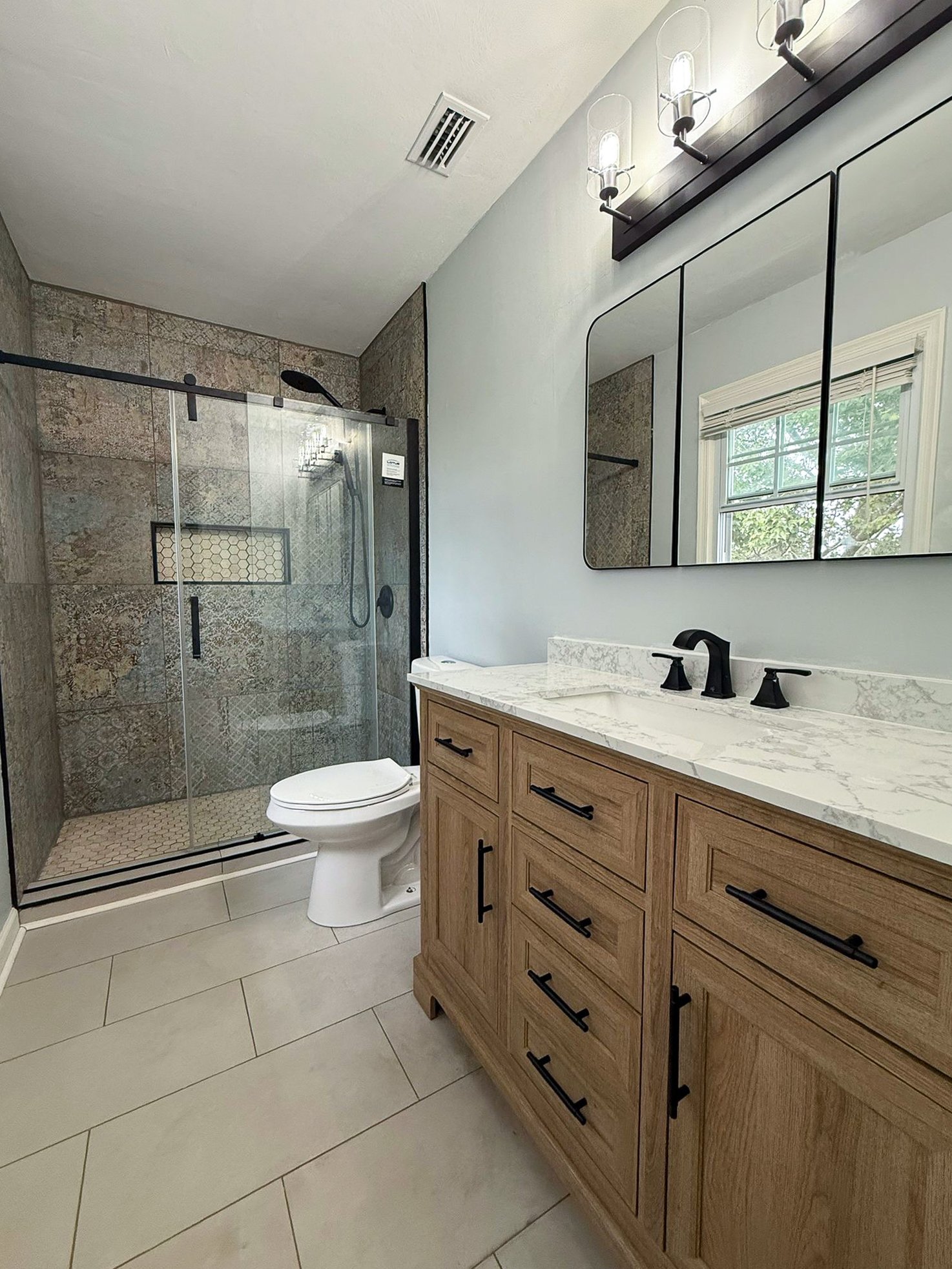
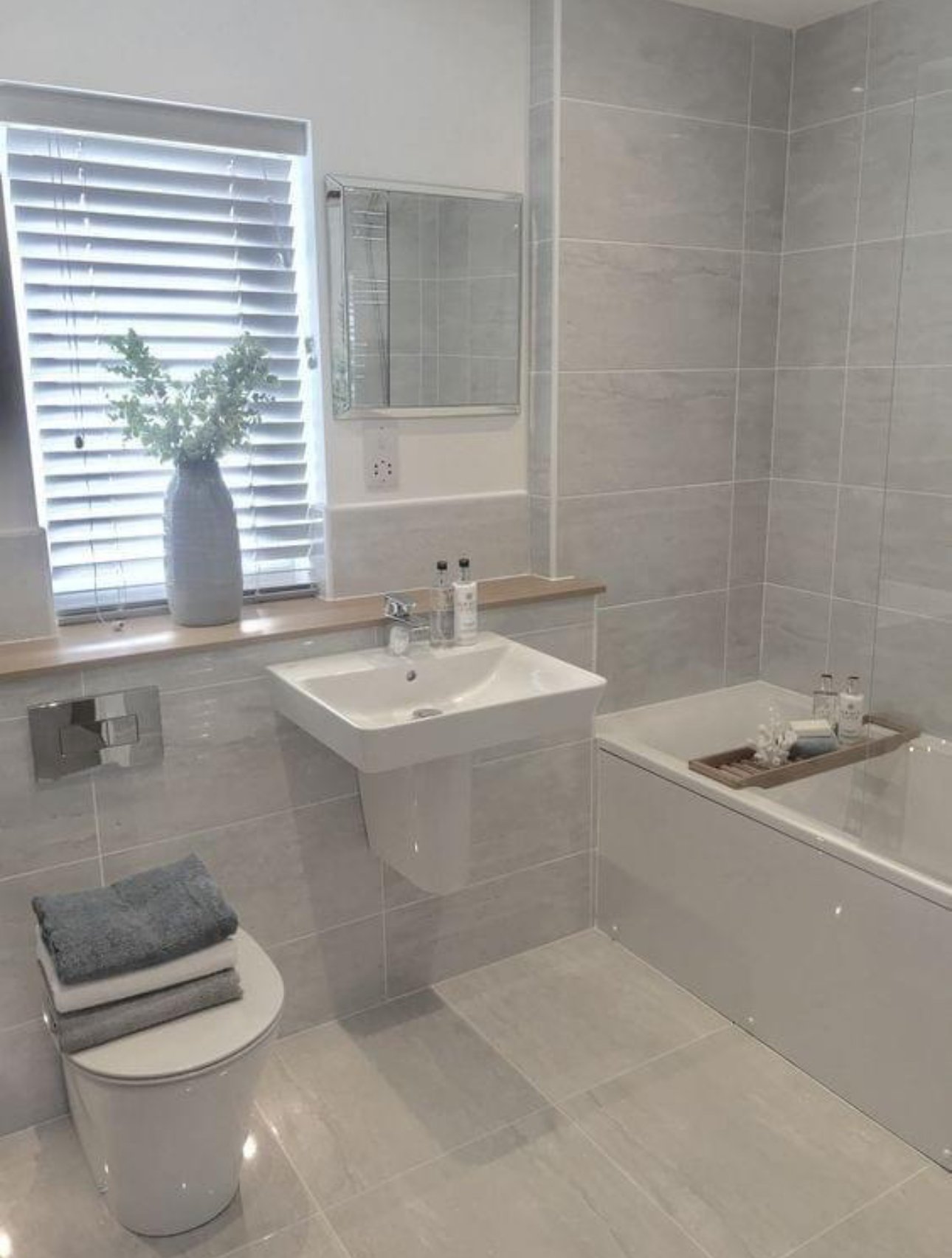
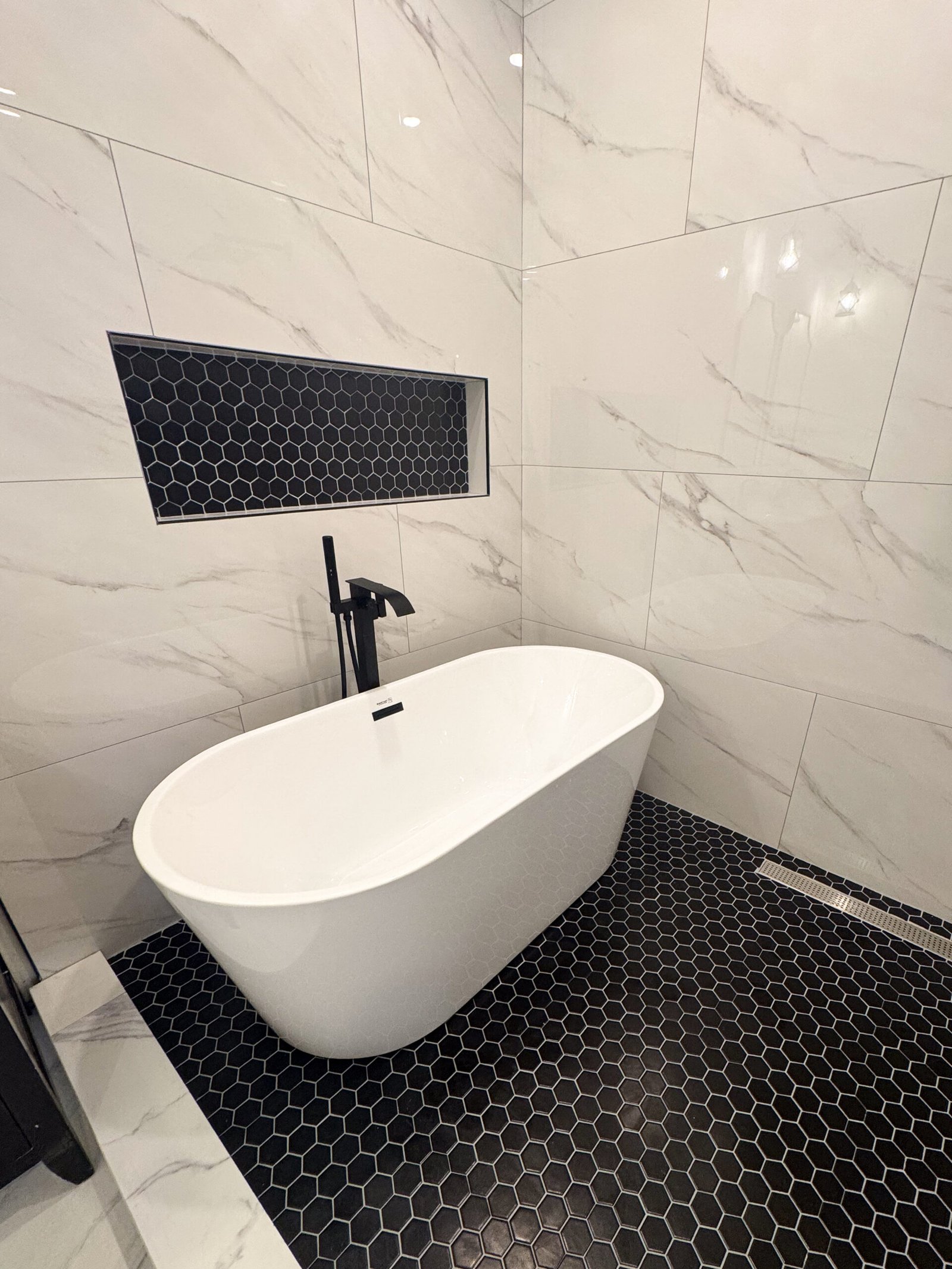
Adding Bathrooms or Kitchenettes

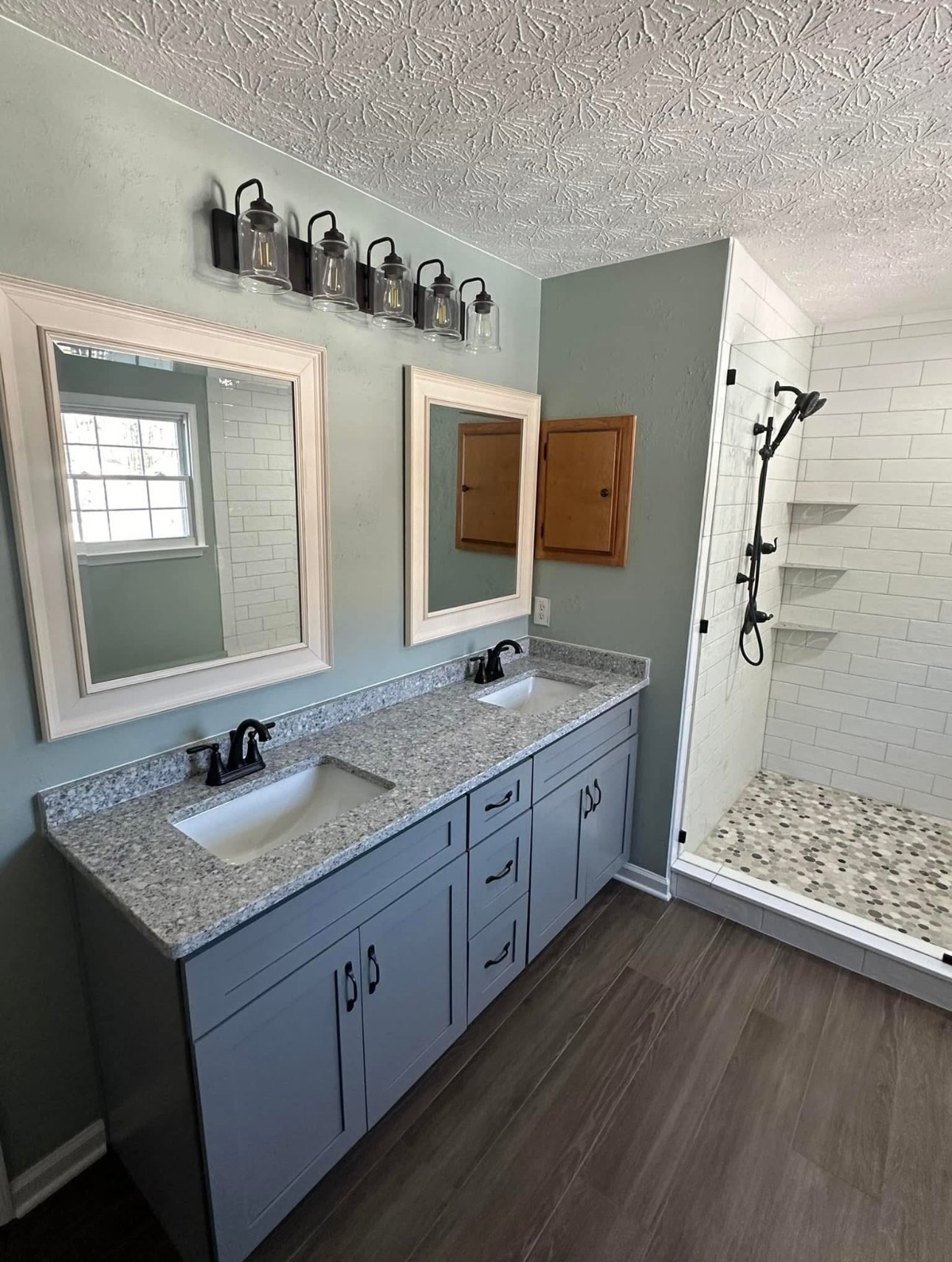
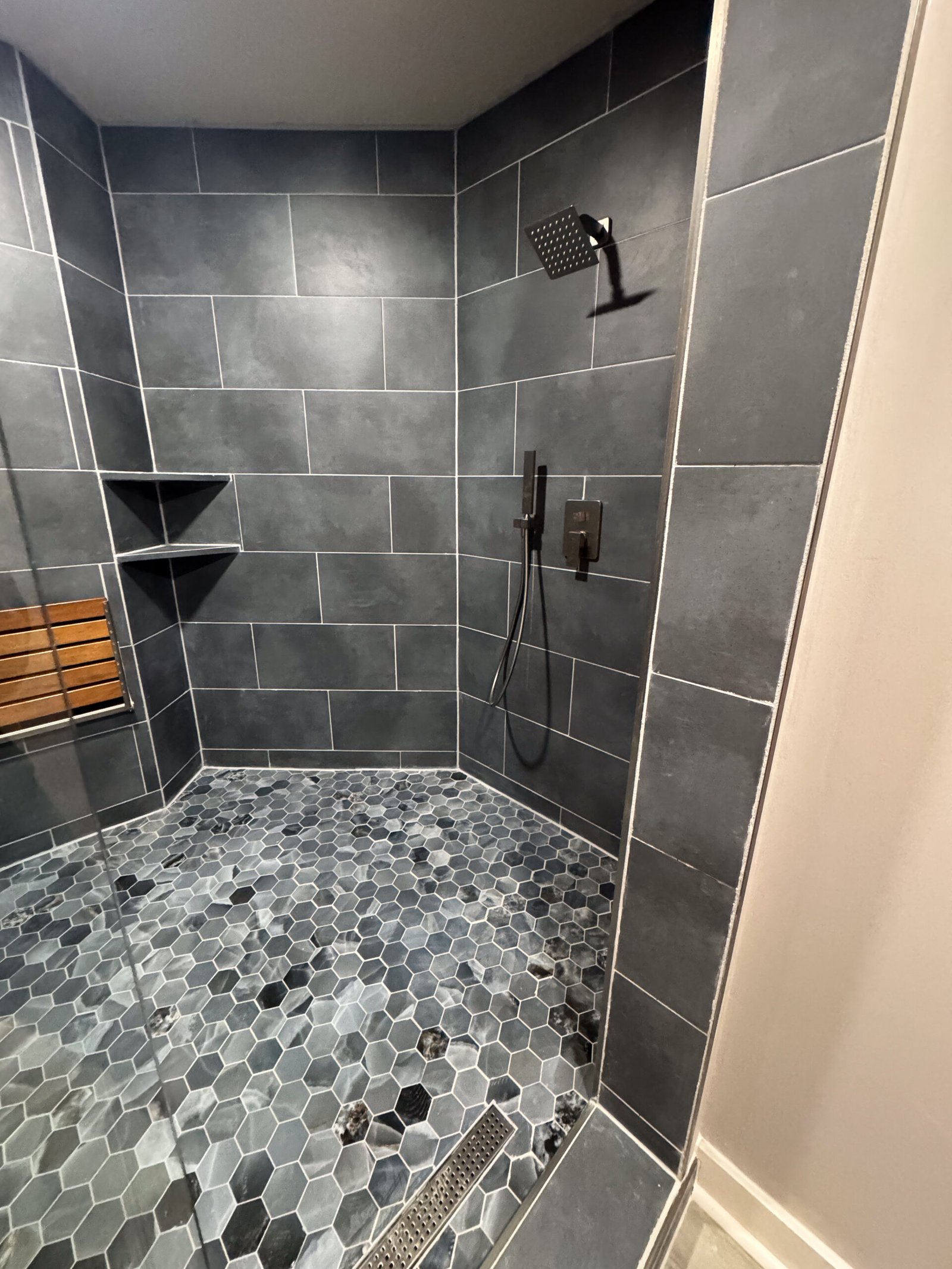
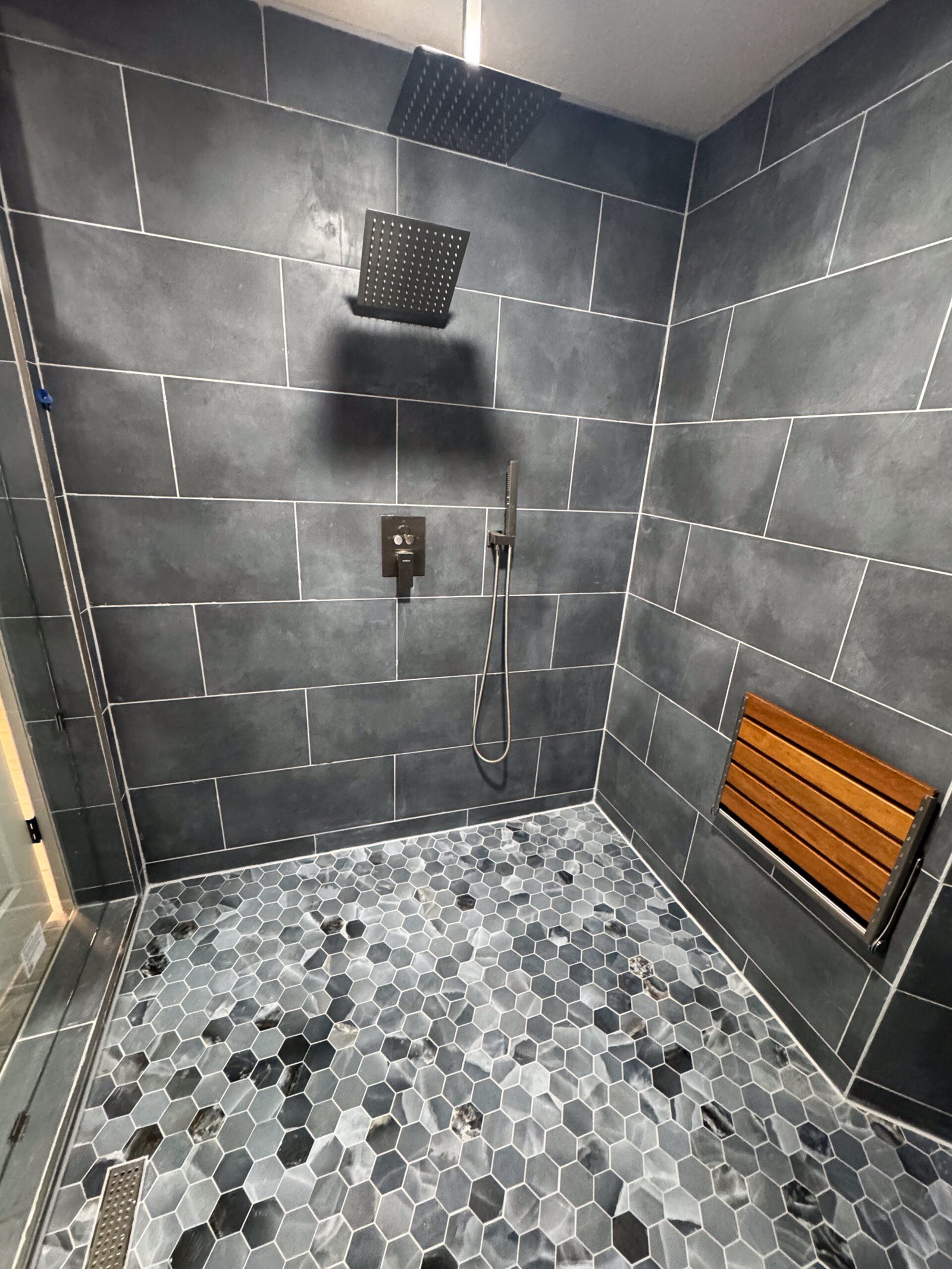
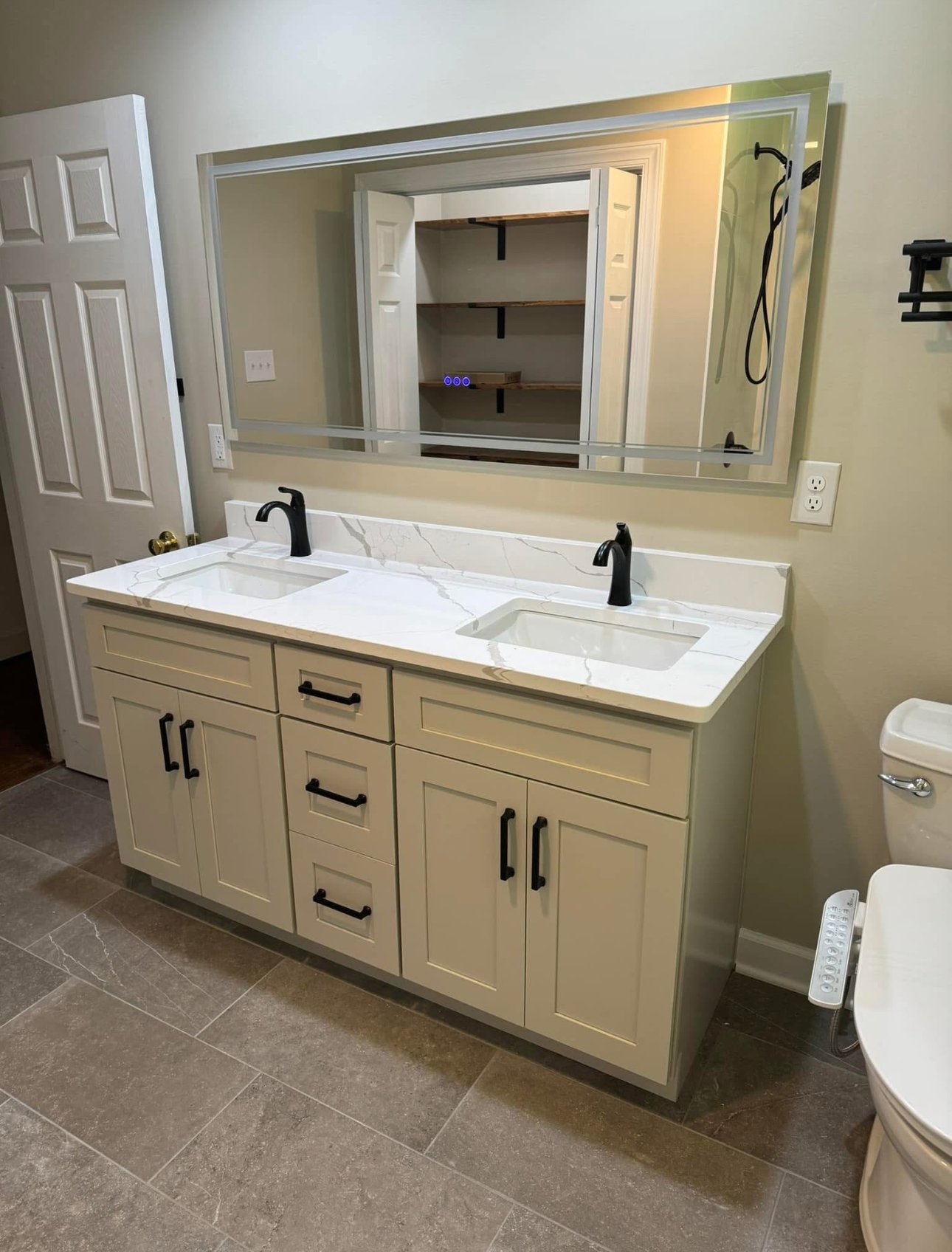
Including plumbing significantly increases basement value and functionality.

Key Considerations

  • Drainage systems (often requires ejector pump)
  • Water supply routing
  • Ventilation compliance

This phase requires precise technical execution.

Common Mistakes to Avoid

Recurring issues in basement remodeling:

  • Ignoring waterproofing
  • Poor ventilation planning
  • Inadequate lighting
  • Wrong flooring selection
  • Skipping insulation

These mistakes reduce durability and comfort.

Basement remodeling is a discipline that blends structural engineering with interior design. Respecting traditional building principles—especially moisture control—while integrating modern materials ensures a durable and comfortable result.

When executed correctly, a basement evolves from unused storage into one of the most valuable and functional spaces in your home.